Croatian Food & Dining Near Plitvice Lakes: Complete Restaurant Guide (2026)
Most visitors come to Plitvice Lakes for the waterfalls and leave raving about the food. The park sits deep in Croatia's Lika region — a rugged, mountainous heartland where the cuisine is shaped by centuries of highland farming, cold winters, and isolation from the coast. This isn't the seafood-and-olive-oil cooking of Dalmatia or Istria. Lika food is mountain food: slow-roasted lamb, wood-fired bread, smoky aged cheese, hearty potato dishes, and freshwater trout pulled from ice-cold rivers.
The restaurants clustered around Plitvice Lakes serve some of the most authentic and affordable traditional Croatian food you'll find anywhere in the country. Unlike the tourist-trap pricing on the coast, meals here are genuinely good value — a full traditional lunch with drinks rarely exceeds €15–20 per person, even at the best restaurants. The quality is high because competition is real: these restaurants depend on both tourists and locals, so the food has to be worth coming back for.
Whether you're stopping for a quick lunch between park visits or planning a proper evening meal, this guide covers everything — traditional Lika dishes you need to try, the best restaurants near Plitvice, budget options, vegetarian choices, Croatian drinks, and practical dining tips.
Traditional Lika Dishes You Need to Try
The Lika region has a culinary identity distinct from coastal Croatia. These are the dishes that define the area — and the ones you'll find on nearly every menu near Plitvice Lakes.
Janjetina (Spit-Roasted Lamb)
Lamb is the signature protein of Lika, and janjetina (spit-roasted whole lamb) is how the region does it best. Young lambs — typically 3–6 months old — are slowly rotated over an open wood fire for 2–4 hours until the exterior is deeply golden and crackling while the interior stays moist and tender. The flavor is remarkably clean: the lambs graze on Lika's wild mountain herbs and grasses, which gives the meat a subtle herbal character you won't get from grain-fed lamb.
You'll often see janjetina on a spit outside restaurants, visible from the road — that's your sign they're serious about it. A portion typically costs €12–18 and comes with potatoes, seasonal vegetables, and fresh bread. This is the single dish most visitors remember from the Plitvice area, and for good reason.
Lička Peka (Meat Under the Iron Bell)
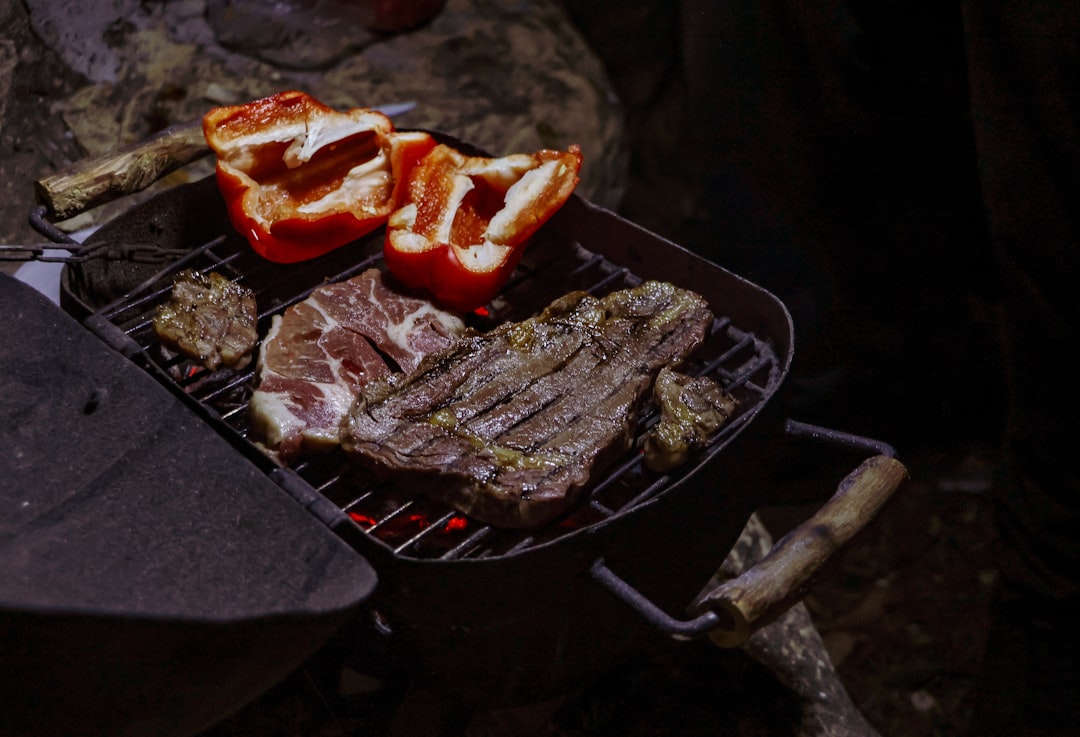
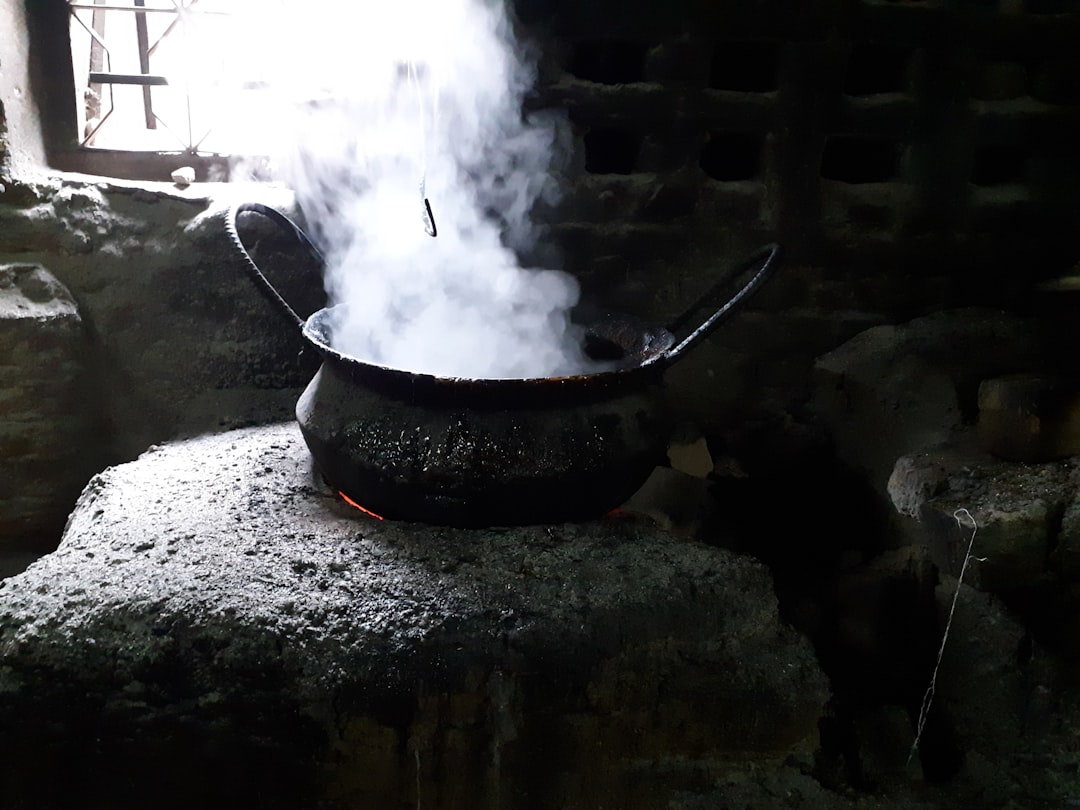
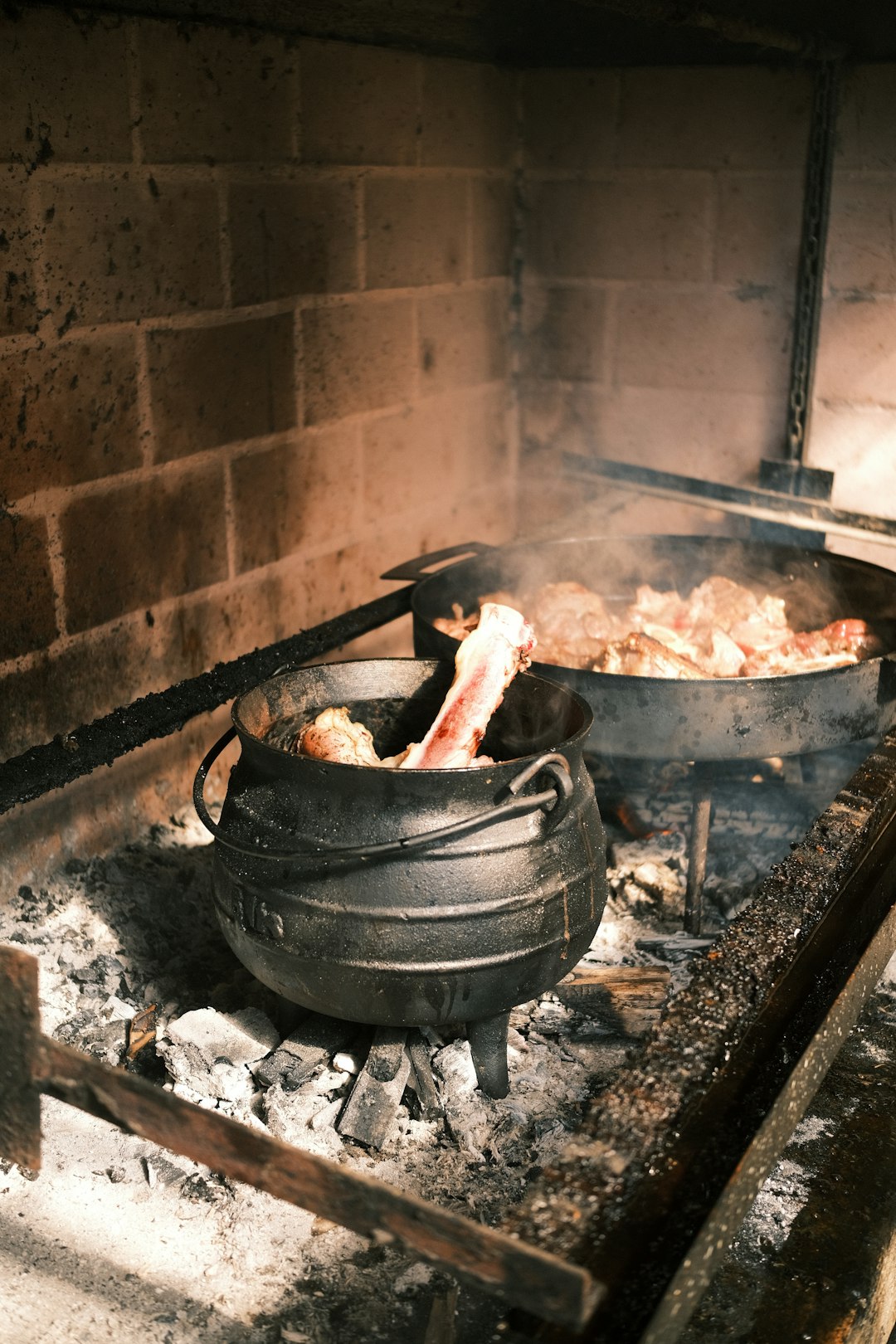
If janjetina is Lika's showpiece, peka is its soul. Peka (also called ispod peke or ispod sača) is a cooking method where meat — usually lamb, veal, or octopus — is placed in a heavy cast-iron dish with potatoes, onions, garlic, tomatoes, and herbs, then covered with a domed iron bell (sač). Hot coals are heaped on top and around the bell, creating a sealed oven that slow-cooks the contents for 2–3 hours.
The result is extraordinary: meat that falls apart at the touch of a fork, potatoes infused with rendered fat and pan juices, and a concentrated sauce that needs nothing added. Peka must be ordered 2–3 hours in advance at most restaurants because of the cooking time — plan ahead or call when you're heading to the park in the morning and it'll be ready for lunch. Expect to pay €15–25 per person for peka, depending on the meat.
Sir iz Mišine (Aged Cheese from a Lamb Skin)
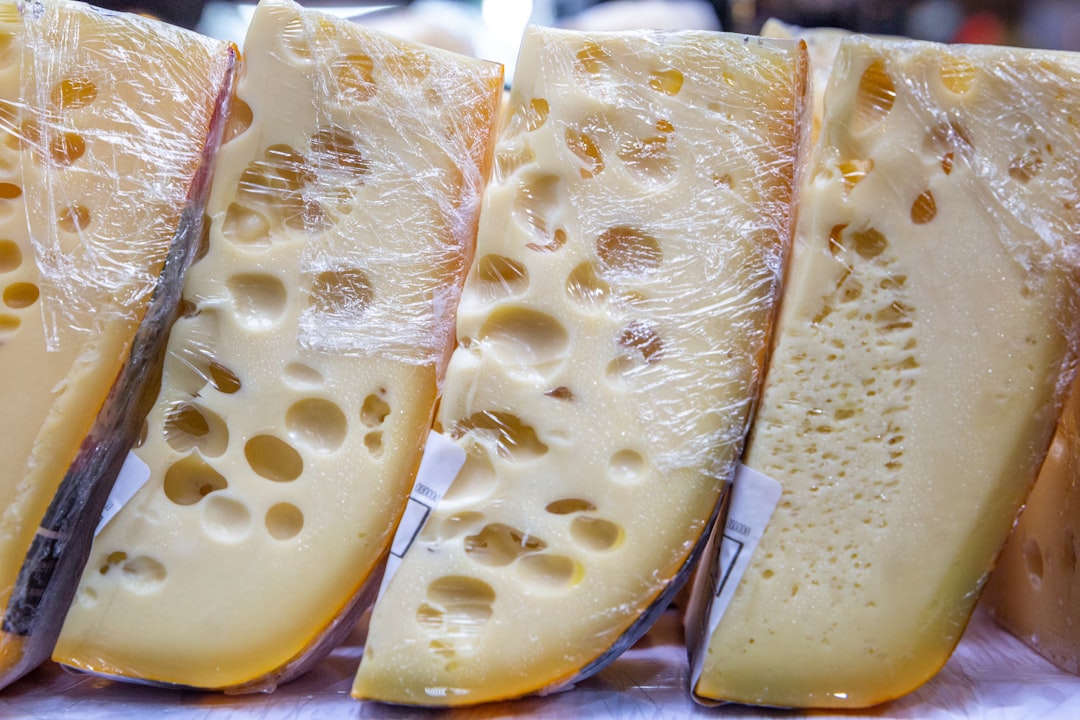
This is one of Croatia's most unique traditional foods. Sir iz mišine is a hard, pungent sheep's cheese aged inside a cleaned and sewn-up lamb skin (mišina). The skin allows slow moisture evaporation while imparting a distinctive, slightly gamey flavor to the cheese. It's aged for several months and has a crumbly, intense character somewhere between aged pecorino and a strong cheddar.
You'll find it served as an appetizer — sliced thin and served with bread, honey, or prosciutto. Another local cheese to try is škripavac, a fresh, squeaky cheese (similar to halloumi) that's often grilled and served warm. Both are produced by small family farms throughout Lika.
Lički Krumpir (Lika-Style Potatoes)
Potatoes are a staple of Lika cuisine — the cold climate and rocky soils make them one of the most reliable crops. Lički krumpir is a slow-baked potato dish layered with onions, bacon, garlic, and sometimes sausage, cooked in a clay pot or under a peka until the potatoes are soft and the edges are crispy. Think of it as a richer, smokier version of scalloped potatoes. It's a common side dish but hearty enough to serve as a meal on its own. Some versions include sour cream or local cheese stirred through.
Štrukli (Cheese Pastry)
Štrukli is technically a Zagorje (northern Croatia) dish, but it's widely served throughout the Plitvice area and too good to skip. Thin sheets of pastry dough are filled with a mixture of fresh cow's cheese (similar to cottage cheese), sour cream, and eggs, then either boiled or baked. The boiled version is softer and more delicate; the baked version (zapečeni štrukli) has a golden, bubbling cheese crust on top.
You'll find štrukli on most restaurant menus as either a starter or a light main course. It's excellent comfort food — rich, cheesy, and satisfying — and usually costs €5–8 per portion.
Fresh Trout from Local Rivers
The Gacka, Korana, and other rivers around Plitvice are famous for their clear, cold water and excellent trout. Many restaurants near Plitvice source their trout directly from these rivers or from their own fish ponds. The fish is typically grilled whole (na žaru) and served simply with olive oil, garlic, blitva (Swiss chard), and boiled potatoes — or fried in a light cornmeal crust.
River trout has a cleaner, more delicate flavor than farmed trout, and when it's been swimming in cold Lika river water that morning, the difference is noticeable. A whole grilled trout runs €10–15 and is one of the lighter, healthier options on menus dominated by red meat.
Blitva s Krumpirom (Swiss Chard with Potatoes)
Blitva (Swiss chard) boiled with potatoes and dressed with olive oil and garlic is Croatia's most beloved side dish — you'll encounter it everywhere from Dubrovnik to Zagreb. Near Plitvice it accompanies grilled fish and meats. It sounds simple because it is: the quality depends entirely on the freshness of the chard and the generosity of the olive oil. Done well, it's addictive.
Traditional Bread
Many Lika restaurants bake their own bread — dense, crusty sourdough-style loaves or pogača (flatbread) that are made for soaking up pan juices and olive oil. Some places serve proja, a hearty five-grain cornbread traditional to the region. Fresh bread is often brought to your table automatically, sometimes with a bowl of šripavac cheese or ajvar (roasted red pepper spread). Don't fill up on it before your main course arrives, but do enjoy it — there's nothing quite like warm homemade bread torn apart over a long Croatian meal.
Best Restaurants Near Plitvice Lakes
The Plitvice area has a surprisingly strong restaurant scene for a national park region. Here are the standout options, from traditional Lika dining to more modern choices.
Lička Kuća
Cuisine: Traditional Croatian | Price: €€ (€12–22 per main) | Location: Plitvice Selo, near Entrance 2
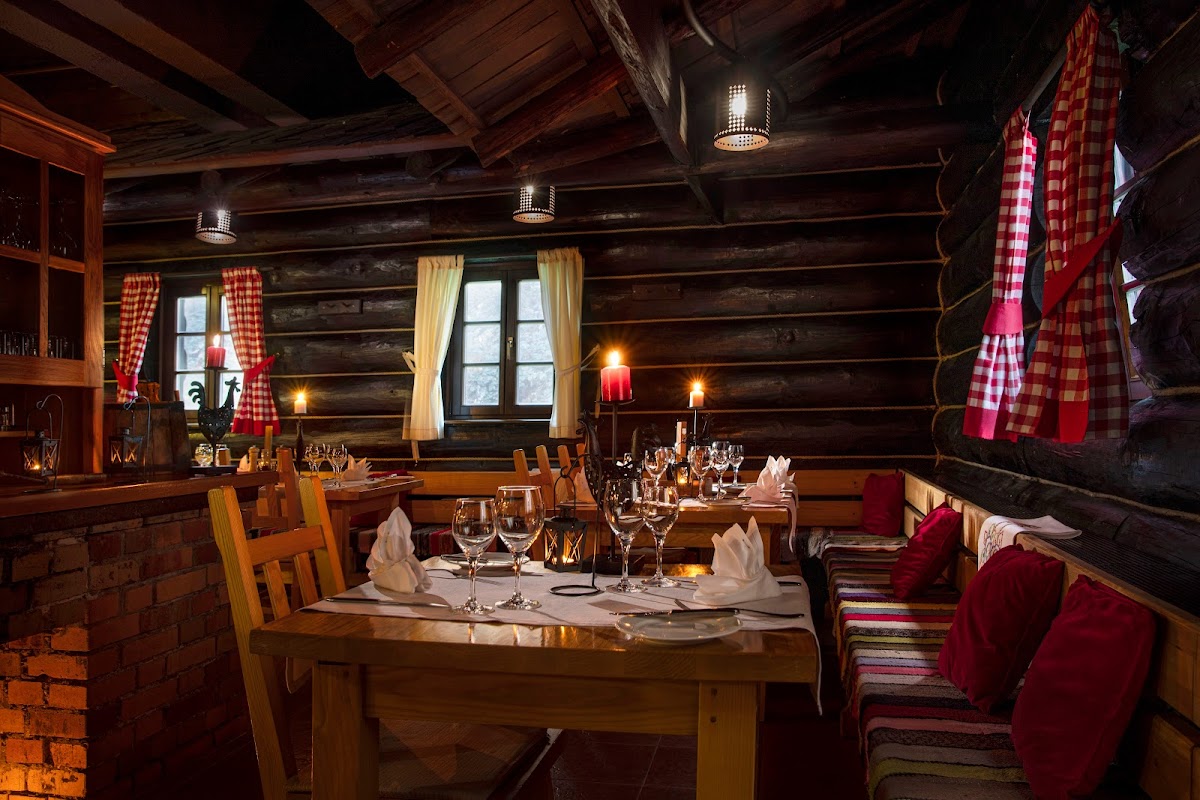
Lička Kuća is the most iconic restaurant near Plitvice and the one virtually every travel guide recommends — with good reason. Built in the style of a traditional Lika mountain house, the restaurant specializes in lamb under the bell, grilled trout, and štrukli. The setting is atmospheric: stone walls, heavy wooden tables, an open fire, and traditional décor that feels authentic rather than staged.
What to order: Lamb under the bell (order in advance), grilled trout, the Lički zavežljaj (a Lika sampler plate with cheese, ham, and bread). The homemade bread and škripavac cheese are excellent starters.
Tip: This is the most popular restaurant in the area, so it gets busy during summer lunch hours. Arrive before noon or after 2 PM for a more relaxed experience, or eat here for dinner.
Restoran Degenija
Cuisine: Traditional Croatian | Price: €€ (€10–20 per main) | Location: Selište Drežničko
Restoran Degenija is attached to the well-regarded Hotel & Camp Degenija, just a short drive from the park. It sources trout directly from the nearby Gacka River — one of Europe's purest chalk streams — and the fish is exceptional. Beyond seafood, the kitchen excels at veal under the lid, spit-roasted lamb, and their signature Degenija veal steak in mushroom sauce with homemade gnocchi.
What to order: Fresh Gacka River trout (the best in the area), Degenija veal steak, brick-oven pizza if you want something lighter. Save room for the house-made pastries.
Tip: The terrace dining in summer is lovely. The restaurant also serves excellent brick-oven pizza — a rarity in this area — making it a good option if someone in your group isn't in the mood for traditional Lika food.
Konoba Pod Rastočkim Krovom
Cuisine: Traditional Croatian | Price: €€ (€10–18 per main) | Location: Rastoke
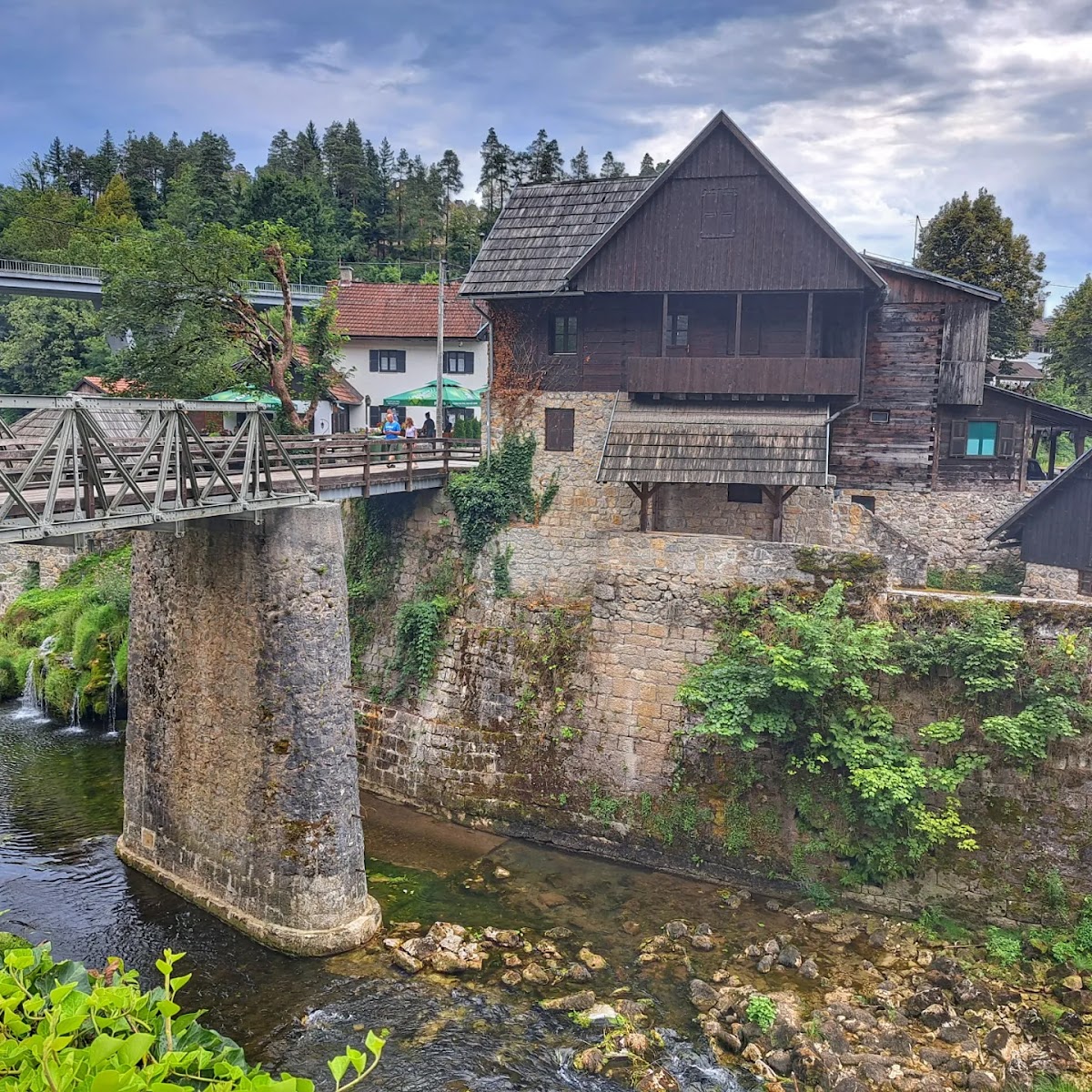
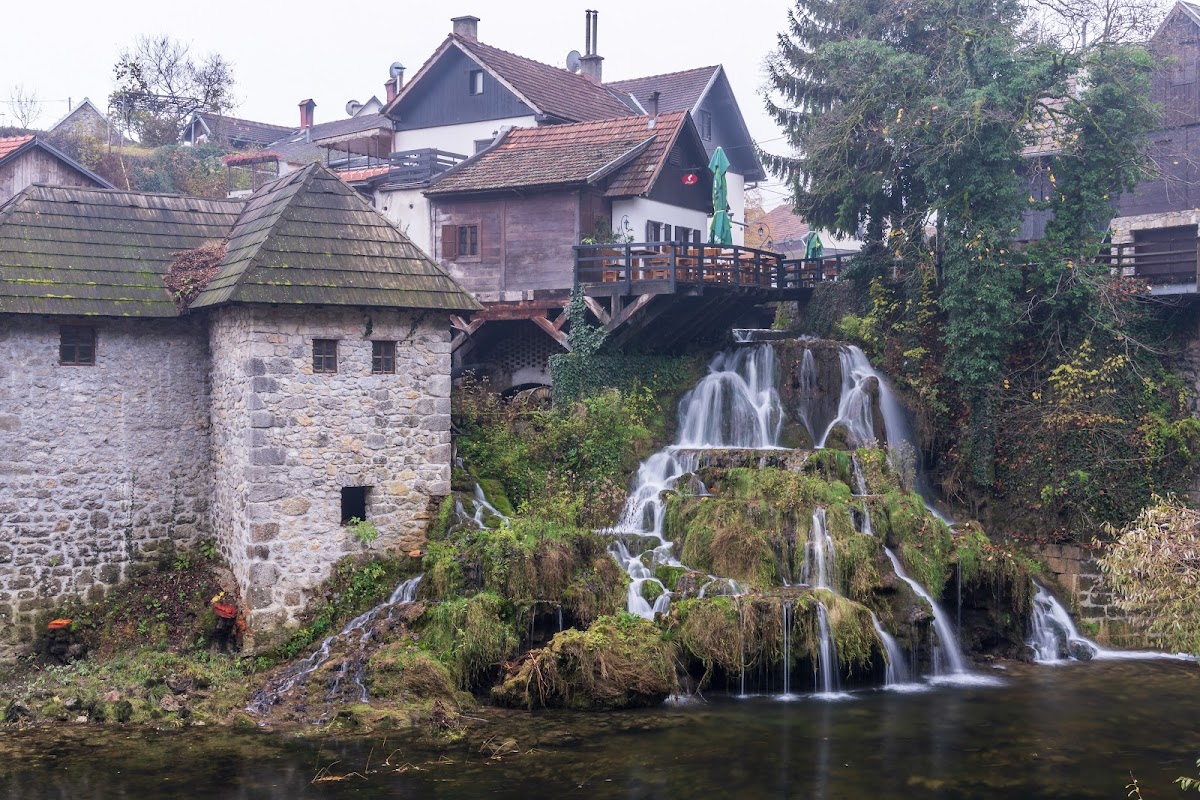
Konoba Pod Rastočkim Krovom is set in the stunningly picturesque village of Rastoke, where the Slunjčica River cascades over travertine formations into the Korana — essentially a miniature Plitvice right in the village. The restaurant has its own fish pond, so the grilled trout couldn't be fresher. The menu leans heavily into traditional Lika cooking: wild boar stew, proja (five-grain bread), homemade polenta, and traditional strudel.
What to order: Grilled trout from the restaurant's own pond, wild boar stew, proja bread, and the traditional strudel for dessert. The homemade noodles and pancakes are also worth trying.
Tip: Rastoke itself is worth a separate visit — plan to walk around the village waterfalls before or after your meal. The village is about 30 minutes from Plitvice and makes an excellent half-day side trip.
16 Lakes Restaurant
Cuisine: International / Croatian | Price: €€ (€12–25 per main) | Location: Grabovac
16 Lakes Restaurant offers a more contemporary dining experience compared to the traditional konobas and Lika houses in the area. Part of a modern hotel complex in Grabovac (about 12 km from the park), it serves lava-grilled steaks and fish, pasta, risotto, fresh salads, and vegetarian dishes alongside craft cocktails and house-made desserts.
What to order: Lava-grilled steak, pasta or risotto, and one of their craft cocktails. This is the best spot in the area if you want a more polished, international-style meal.
Tip: A good choice for travelers who've been eating traditional Croatian food for days and want something different. Also one of the better options for vegetarians.
Plitvice Lakes Etno Garden
Cuisine: Traditional Croatian | Price: €€ (€10–18 per main) | Location: Plitvica Selo
Plitvice Lakes Etno Garden embraces the farm-to-table concept with garden-fresh salads, locally cured ham, Plitvice cheese platters, and grilled meats. The cottage cheese rolls with seasonal fruit are a standout dessert. The setting combines traditional Lika mountain architecture with a pleasant outdoor garden area.
What to order: The Plitvice cheese and ham platter as a starter, grilled meats, garden salad, and the cottage cheese rolls with fruit for dessert.
Restaurant Grabovac (Plitvice Holiday Resort)
Cuisine: Traditional Croatian / Modern | Price: €€ (€10–20 per main) | Location: Grabovac
Restaurant Grabovac at the Plitvice Holiday Resort balances traditional Lika specialties with more modern Croatian dishes. The grilled škripavac cheese and risotto with Plitvice sausage are signature dishes you won't find elsewhere. It's a solid choice if you're staying in the Grabovac area.
What to order: Grilled škripavac cheese to start, risotto with Plitvice sausage, and any of the local meat or cheese dishes.
Bistro Vila Velebita
Cuisine: Traditional Croatian | Price: €€ (€10–18 per main) | Location: Korenica
Bistro Vila Velebita in Korenica (about 25 km from the park) is a reliable choice for spit-roast lamb and suckling pig — two dishes that require hours of slow cooking over an open fire. If you're driving in from the south or staying in the Korenica area, this is an excellent traditional option.
What to order: Spit-roast lamb, spit-roast suckling pig, and traditional Lika meat grills. The portions are generous.
Bistro & Caffe Plum
Cuisine: International | Price: €€ (€8–18 per main) | Location: Rakovica
Bistro & Caffe Plum in Rakovica offers a welcome change from the heavy Lika meat dishes with its international menu spanning Italian pasta and risotto, Croatian grilled meats, and Mexican-inspired dishes. Good coffee, craft cocktails, and a casual atmosphere make it a versatile choice for any meal.
Restaurant Poljana
Cuisine: Traditional Croatian | Price: €€ (€8–15 per main) | Location: Inside Plitvice Lakes National Park
Restaurant Poljana is one of the few dining options actually inside the national park, located near Entrance 2. It serves hot dishes, soups, grilled meats, salads, and desserts. The food is straightforward park cafeteria fare — don't expect the quality of the standalone restaurants outside the park — but it's convenient if you need a proper hot meal without leaving.
What to order: Soups and grilled meats are the safest choices. Traditional Lika dishes are available but are better at the dedicated restaurants outside the park.
Tip: Prices inside the park are notably higher than restaurants outside. If you have a car, you're better off eating just before or after your park visit at one of the restaurants listed above.
Budget Dining Options
Eating well near Plitvice doesn't require sitting down at a restaurant for every meal. Here's how to keep food costs under control.
Grocery Stores
The nearest supermarkets are Konzum and Studenac in Korenica (25 km south) and Slunj (30 km north). These carry bread, cheese, cured meats, fruit, water, and snacks — everything you need for picnic lunches. The small villages along the D1 road (Grabovac, Rakovica) have mini-markets with more limited selection but enough basics. Stock up before your park visit: a picnic lunch of bread, local cheese, and fruit costs under €5 per person and is genuinely more enjoyable than the overpriced park cafeterias.
Bakeries and Cafes
Small bakeries (pekara) in Korenica and Slunj sell fresh bread, burek (flaky pastry filled with meat, cheese, or spinach), and pastries for €1–3. Burek with cheese (burek sa sirom) is the classic Croatian fast food and a filling breakfast for under €2. Several cafés in Rakovica, Grabovac, and Slunj serve affordable coffee, sandwiches, and light meals for €3–7. Bistro & Caffe Plum in Rakovica is a good mid-range café option.
Picnic Spots
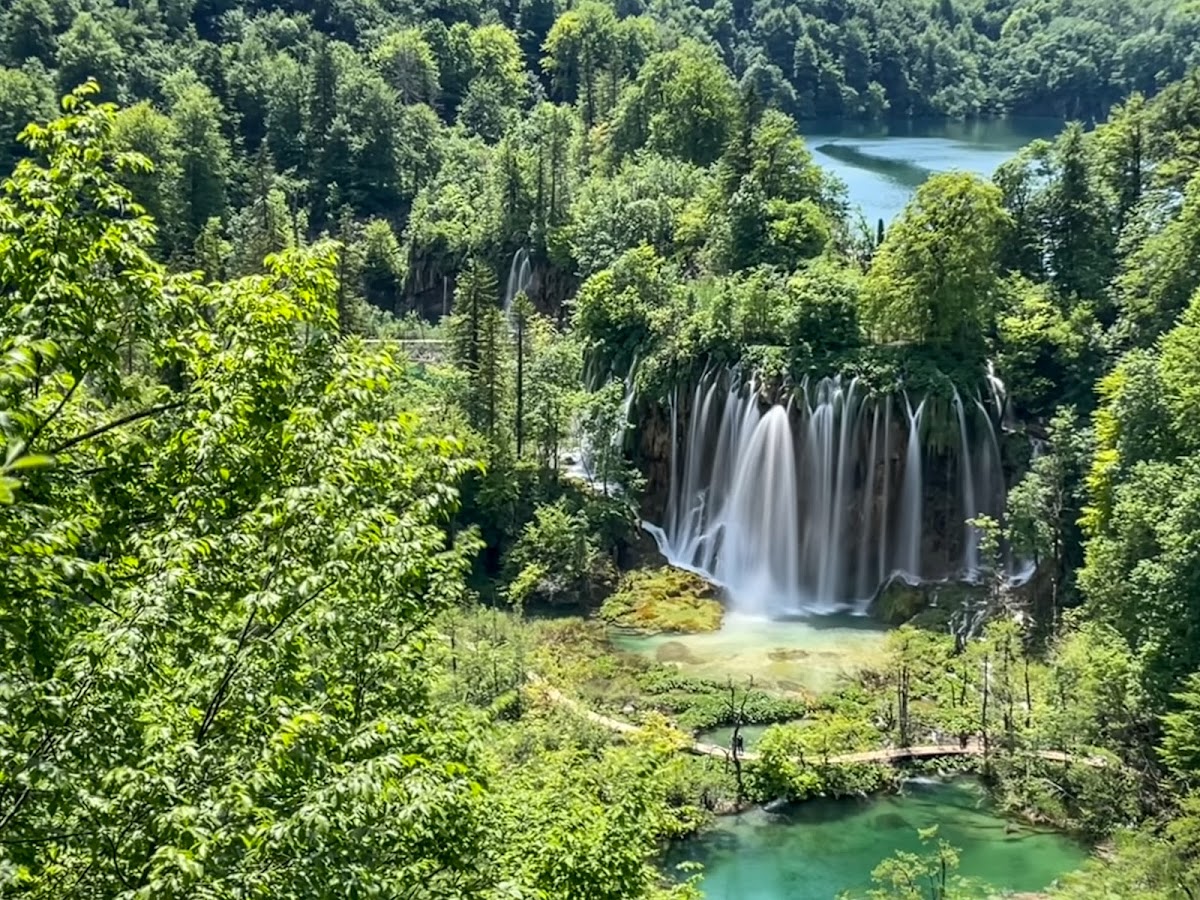
Plitvice Lakes National Park has designated rest areas with benches where you can eat a packed lunch. The meadow areas near both entrances are pleasant picnic spots, and several viewpoints along the trails have benches. Just outside the park, the village of Rastoke offers particularly scenic picnic settings along the waterfalls — pick up supplies beforehand and enjoy your meal with a view. Remember: you cannot eat on the boardwalks inside the park, and you must take all rubbish with you.
Budget Strategy
A smart daily food budget for the Plitvice area looks like this: bakery breakfast (€2–3), picnic lunch assembled from a grocery store (€4–6), and a sit-down dinner at a local restaurant (€12–18 including a drink). That's €18–27 per day for three meals — significantly less than eating every meal at a restaurant.
Vegetarian and Dietary Options
Traditional Lika cuisine is heavily meat-focused, but vegetarians and those with dietary restrictions can still eat well with a bit of planning.
Vegetarian Dishes
Most restaurant menus include several meatless options: štrukli (cheese pastry), grilled vegetables, blitva s krumpirom (chard with potatoes), fresh salads, pasta and risotto dishes, and cheese platters with bread. Lički krumpir (potato bake) is sometimes made without bacon — ask your server. The local cheeses are universally excellent and make satisfying meals paired with bread and salad. 16 Lakes Restaurant and Bistro & Caffe Plum both have dedicated vegetarian sections on their menus.
Vegan Options
Vegan dining is more challenging in this meat-and-dairy region. Your best options are grilled vegetables, salads (request no cheese), ajvar (roasted red pepper spread — naturally vegan and delicious), bread, and bean soups or stews. Grocery stores stock fruit, vegetables, nuts, and hummus. If you're strictly vegan, supplement restaurant meals with self-catered food from supermarkets. Mention your dietary needs when ordering — Croatian servers are generally accommodating even if the menu doesn't explicitly label vegan dishes.
Gluten-Free Options
Gluten-free awareness in rural Croatia is growing but still limited. Grilled meats, fish, potatoes, blitva, cheese, and salads are naturally gluten-free. The peka dishes (meat and potatoes under the bell) are also gluten-free, as are most soups. Bread, štrukli, burek, and pasta dishes obviously contain gluten. Some restaurants can accommodate requests — ask about specific dishes. When in doubt, stick to grilled protein with vegetables and potatoes. Grocery stores in Korenica carry a small selection of gluten-free products, but don't rely on finding specialty items.
Croatian Drinks: What to Order
A meal near Plitvice isn't complete without sampling the local drinks. Croatia has a rich drinking culture, and the Lika region has its own specialties.
Rakija (Croatian Brandy)
Rakija is Croatia's national spirit — a strong fruit brandy (typically 40–60% alcohol) that's offered before, during, and after meals. Near Plitvice, the most common varieties are šljivovica (plum brandy, the regional favorite), travarica (herb-infused rakija), and medica (honey rakija, smoother and sweeter). Many restaurants make their own rakija from local fruit, and you'll often be offered a complimentary glass as a welcome drink or digestif. Sip it slowly — it's meant to be savored, not downed as a shot. A glass at a restaurant costs €2–4, and you can buy bottles at local shops for €8–15.
Croatian Wines
Croatia's wine scene is increasingly respected internationally, and restaurants near Plitvice stock excellent selections. For reds, look for Plavac Mali (a bold, full-bodied red from Dalmatia) or Frankovka (a lighter, elegant red from Slavonia). For whites, Graševina (Croatia's most planted white grape — crisp and refreshing) and Malvazija from Istria are widely available and pair beautifully with fish and cheese dishes. A glass of wine at a restaurant costs €3–5; a bottle runs €15–30. Ask your server for a recommendation — Croatian wines are underrated and excellent value compared to French or Italian equivalents.
Coffee Culture
Croatians take their coffee seriously. A kava (coffee) in Croatia is almost always espresso-based. Order a macchiato (espresso with a dash of milk), bijela kava (white coffee, similar to a latte), or simply espresso. Coffee is inexpensive (€1–2), strong, and good. Sitting over a coffee in a Croatian café is a social ritual — there's no rush. Most restaurants and cafés near Plitvice serve decent coffee, and it's the perfect way to start your morning before heading into the park.
Local Beers
Croatia has a growing craft beer scene, though the Plitvice area is still dominated by the two national brands: Ožujsko and Karlovačko. Both are solid, easy-drinking lagers that pair well with grilled meats and sausages. A half-liter of draft beer at a restaurant costs €3–5. For something more interesting, 16 Lakes Restaurant and Bistro & Caffe Plum stock craft options. The Karlovac brewery — one of Croatia's largest — is located less than an hour south of Plitvice, so Karlovačko is especially fresh in this region.
Practical Dining Tips for Plitvice Visitors
Meal Times
Croatians eat later than many visitors expect. Lunch is the main meal, typically served from noon to 3 PM. Dinner starts around 7 PM and restaurants stay open until 10–11 PM in summer (earlier in the off-season). Breakfast at hotels and guesthouses is usually served 7–10 AM. Many restaurants near Plitvice close during winter months (November–March) or operate on reduced hours, so call ahead during the off-season.
Tipping Customs
Tipping is appreciated but not obligatory in Croatia. The standard practice is to round up the bill or leave 10–15% for good service. If the bill is €27, rounding to €30 is perfectly appropriate. At casual cafés, rounding up to the nearest euro is sufficient. Credit cards are accepted at most established restaurants near Plitvice, but always carry some cash — smaller cafés and bakeries may be cash-only. Tips should be left in cash even if you're paying by card.
Reservations and Timing
Reservations aren't usually necessary at Plitvice restaurants — except for peka dishes, which must be ordered hours in advance. During peak summer (July–August), popular restaurants like Lička Kuća can fill up at lunch time, so arriving before noon or after 2 PM helps. If you want peka or spit-roasted lamb, call the restaurant in the morning (or the night before) to place your order. Most restaurants are happy to prepare it for a specific time.
Other Tips
- Water: Tap water in Croatia is safe to drink. Restaurants will offer bottled water (€2–3), but you can request tap water (voda iz pipe) at most places.
- Portions: Croatian restaurant portions are generous. Ordering a starter and main per person is usually more than enough. Consider sharing starters.
- Kids: Most restaurants near Plitvice are family-friendly. Children's menus aren't always printed, but kitchens will happily prepare simpler, smaller portions on request.
- Language: English menus are standard at all tourist-area restaurants near Plitvice. Servers speak at least basic English, often more.
Frequently Asked Questions
Where should I eat near Plitvice Lakes if I only have one meal?
Go to Lička Kuća or Restoran Degenija for the most authentic traditional Lika experience. Order lamb under the bell (call 2–3 hours ahead) or grilled trout. These restaurants serve the definitive food of the region.
How much does a meal cost near Plitvice Lakes?
A main course at most restaurants near Plitvice costs €10–20. A full meal with a starter, main, and drink typically runs €15–25 per person. Budget options like bakeries and grocery-store picnics can bring food costs down to €5–10 per meal.
Can I eat inside Plitvice Lakes National Park?
Yes. Restaurant Poljana near Entrance 2 serves hot meals, and there are smaller snack bars and kiosks at both entrances. However, the food inside the park is more expensive and lower quality than the restaurants outside. We recommend eating before or after your park visit, or packing a picnic lunch.
Are there vegetarian restaurants near Plitvice?
There are no exclusively vegetarian restaurants, but all restaurants offer vegetarian options. 16 Lakes Restaurant and Bistro & Caffe Plum have the widest vegetarian selection. Štrukli, grilled vegetables, cheese platters, salads, and pasta dishes are available everywhere.
Do I need reservations at Plitvice restaurants?
Generally no. Most restaurants operate on a walk-in basis. The exception is peka (meat under the bell), which requires 2–3 hours advance notice. During July and August, it's wise to arrive at popular restaurants before noon or after 2 PM to avoid the lunch rush.
What Croatian food should I try near Plitvice?
The essential dishes are: janjetina (spit-roasted lamb), anything cooked under the peka (iron bell), fresh river trout, štrukli (cheese pastry), local cheese (škripavac or sir iz mišine), and blitva s krumpirom (chard with potatoes). Wash it down with a glass of šljivovica (plum rakija) and you'll have experienced the best of Lika cuisine.