Nearby Attractions from Plitvice Lakes: Best Things to Do Around the Park (2026)
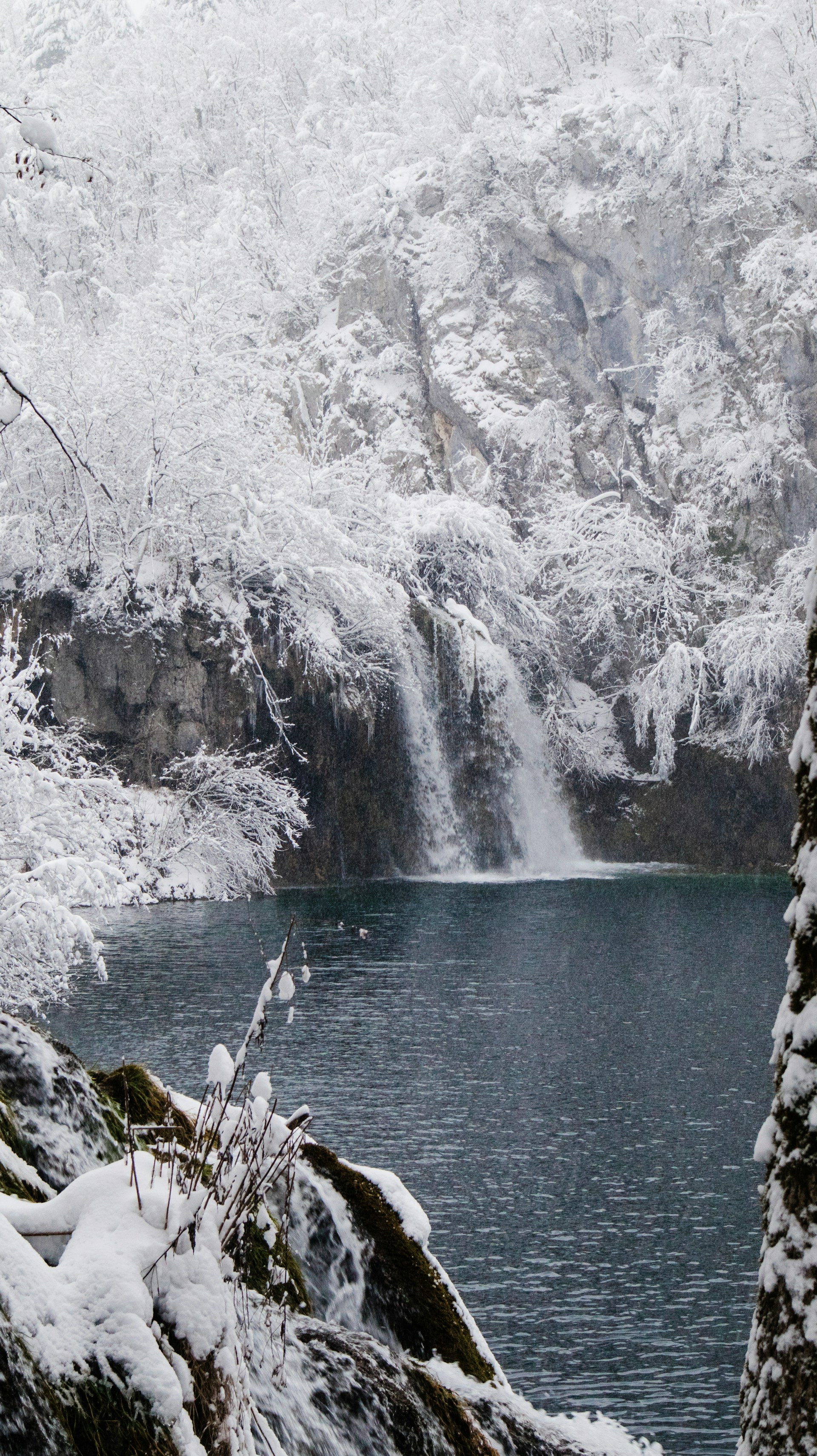
Most visitors to Plitvice Lakes National Park spend their time inside the park — walking the boardwalks, riding the electric boat, and photographing cascading turquoise lakes. That's understandable. But the region surrounding Plitvice is rich with natural beauty and outdoor adventures that rarely make it onto tourist itineraries.
Within an hour's drive of the park gates, you'll find a village built on waterfalls, a cave system with stalactites tens of thousands of years old, river canyons perfect for kayaking and swimming, horseback riding through mountain meadows, and zip-lines stretching over bear country. These attractions are less crowded, often cheaper, and give you a side of inland Croatia that most travelers miss entirely.
Whether you're staying near Plitvice for multiple days or looking to fill time before or after your park visit, this guide covers every worthwhile attraction in the area — with practical details on how to get there, what to expect, and how to plan your time.
Rastoke Village — Croatia's 'Little Plitvice'
If there's one attraction near Plitvice Lakes that deserves its own trip, it's Rastoke. This tiny watermill village sits at the confluence of the Slunjčica River and the Korana River, about 35 kilometers north of Plitvice's Entrance 1. The drive takes roughly 30 minutes along the D1 highway, and the village is right at the edge of the town of Slunj.
Why It's Called 'Little Plitvice'
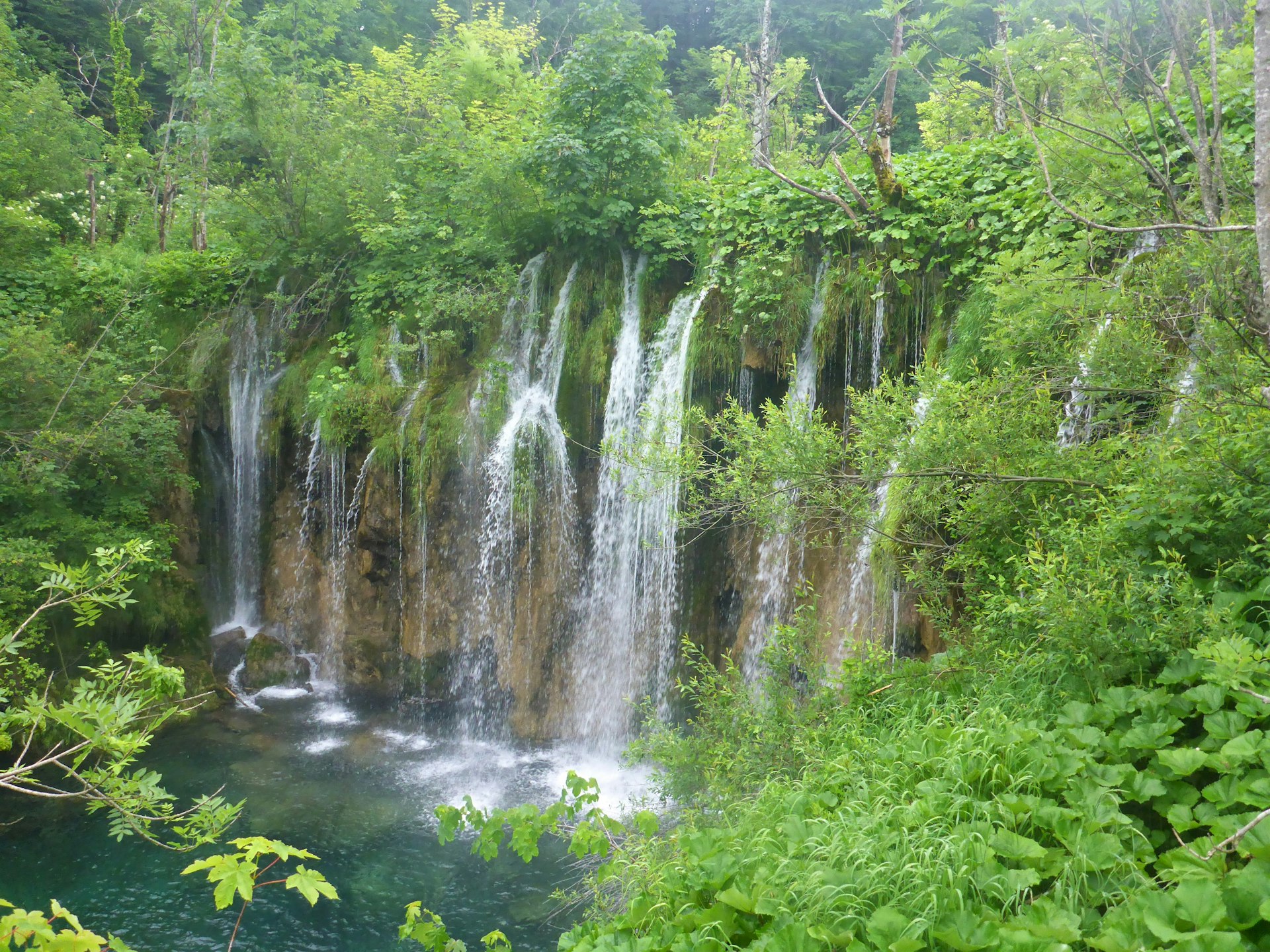
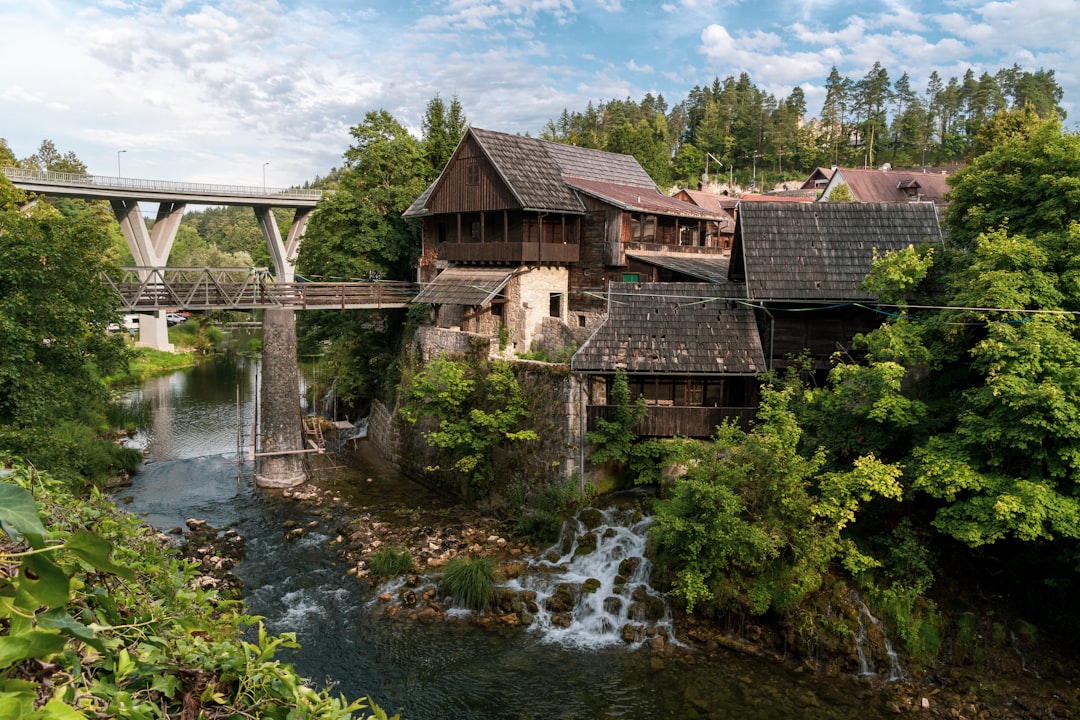
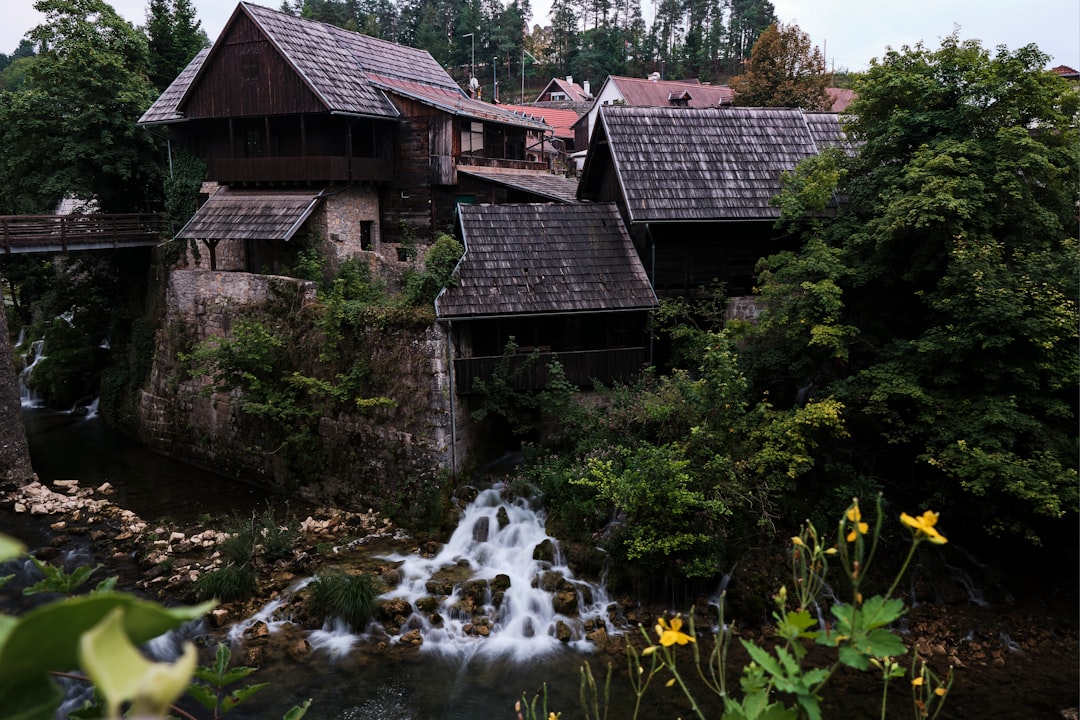
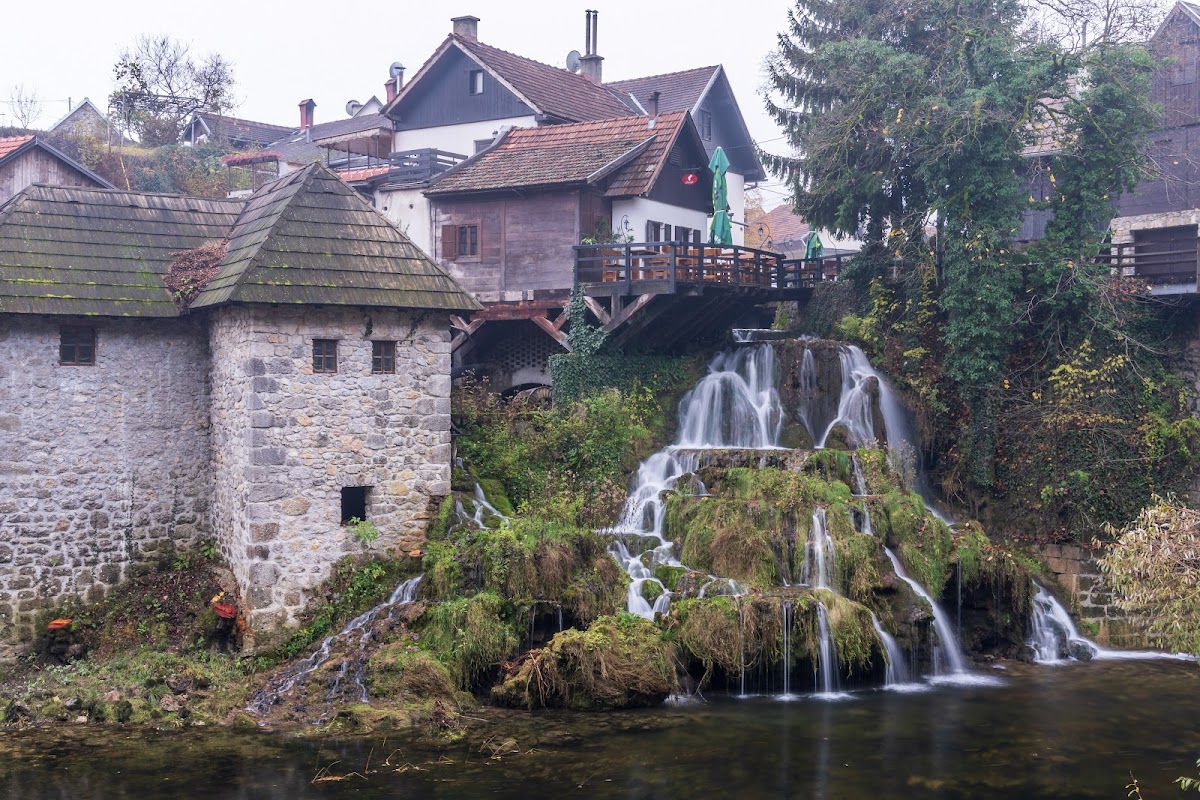
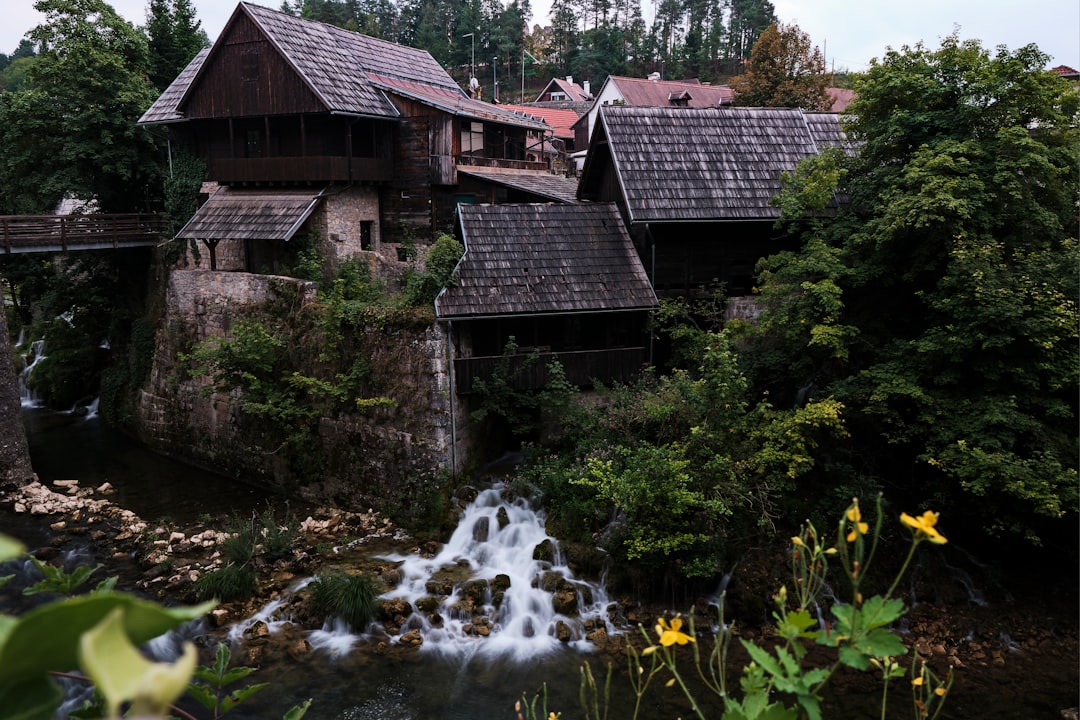
Rastoke earns the nickname because the Slunjčica River splits into dozens of waterfalls and cascades as it tumbles through the village, flowing over, under, and around centuries-old stone houses. The travertine formations here are created by the same geological processes that shaped Plitvice's terraced lakes. The difference is scale and setting — at Rastoke, the waterfalls are woven directly into a living village. Water flows beneath houses, powers old mills, and drops in curtains from mossy ledges into emerald pools below.
What to See and Do
Start at the main viewing area near the bridge in Slunj, where you can look down at the full panorama of cascading water and stone houses. From there, follow the walking paths down into the village itself. You'll pass working watermills (some converted into small museums), cross stone bridges, and walk along the river's edge. Several of the waterfalls are close enough to touch.
Visitors can swim in the natural pools during summer — the water is cold and incredibly clear. There are also short kayak excursions available on the Korana River at the base of the village, typically lasting one to two hours.
Dining Options
Two restaurants in Rastoke are worth knowing about. Restoran Petro sits directly above one of the larger waterfalls, with a terrace where you eat with the sound of rushing water beneath your feet. The menu focuses on freshwater trout, grilled meats, and traditional Croatian dishes like štrukli. Restoran Slap (literally "Waterfall Restaurant") offers a similar experience with views of the cascades. Both are reasonably priced by Croatian standards — expect to pay 15–25 EUR for a main course.
Best Time to Visit
Spring (April–May) is ideal for water volume — the waterfalls are at their most dramatic after snowmelt. Summer brings warmer water for swimming but also the most visitors. Autumn offers beautiful foliage framing the cascades, and the village is nearly empty. Winter is quiet and atmospheric, though some paths may be slippery and restaurants may have reduced hours.
Photography Tips
The best light for photography hits Rastoke in early morning, when the sun illuminates the waterfalls from the east and mist rises from the pools. Bring a tripod for long exposures of the cascades — the flowing water over stone houses is striking with a slow shutter speed. The viewpoint from the bridge in Slunj provides the classic wide-angle shot. For close-up waterfall photos, head down into the village along the lower paths where you can get within meters of the cascading water.
Practical Details
- Distance from Plitvice: 35 km (30 minutes by car)
- Entry fee: Around 3–5 EUR for the village walking paths
- Time needed: 1.5–3 hours
- Parking: Free parking available in Slunj, short walk to the village
Barać Caves — Underground Plitvice
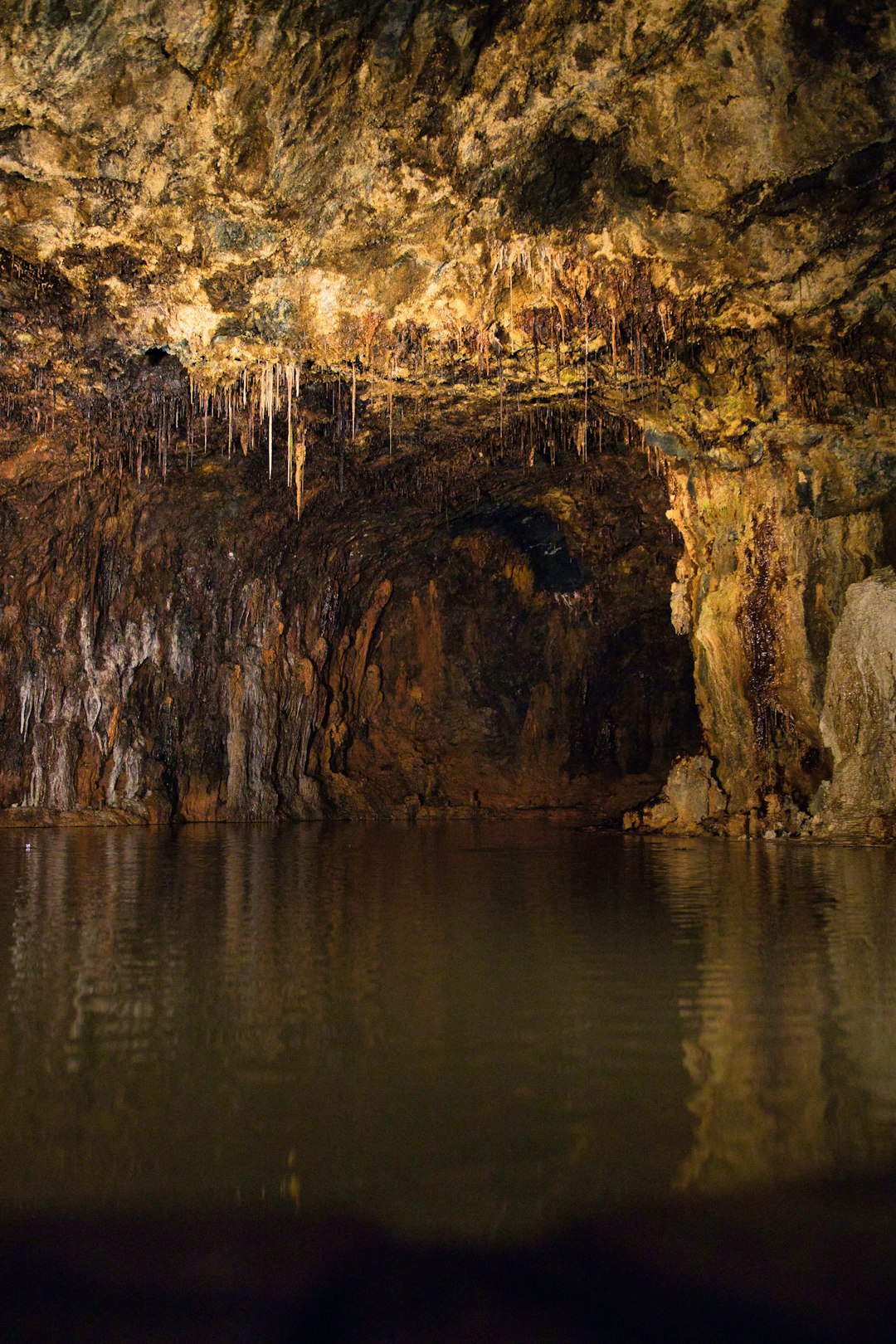
While Plitvice's beauty is all above ground, the same karst landscape that created the lakes also carved out extensive cave systems beneath the surface. Barać Caves (Baraćeve špilje) are the most accessible and visitor-friendly, located in the village of Nova Kršlja, just 14 kilometers northeast of Plitvice's Entrance 1 — roughly a 15-minute drive.
The Cave System
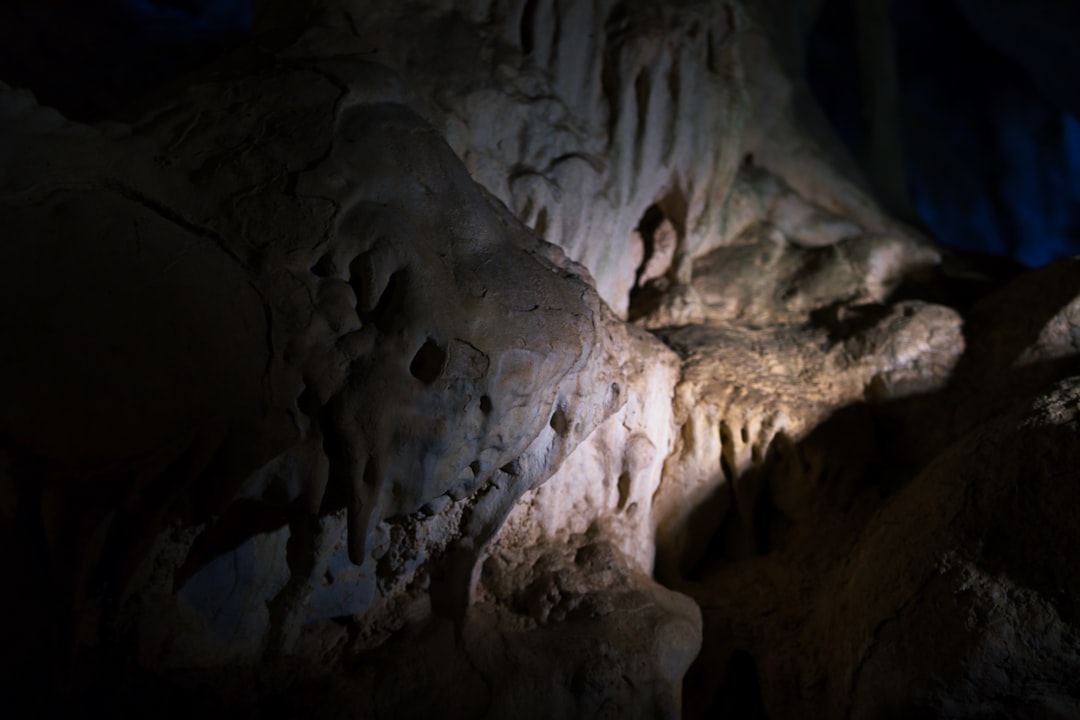
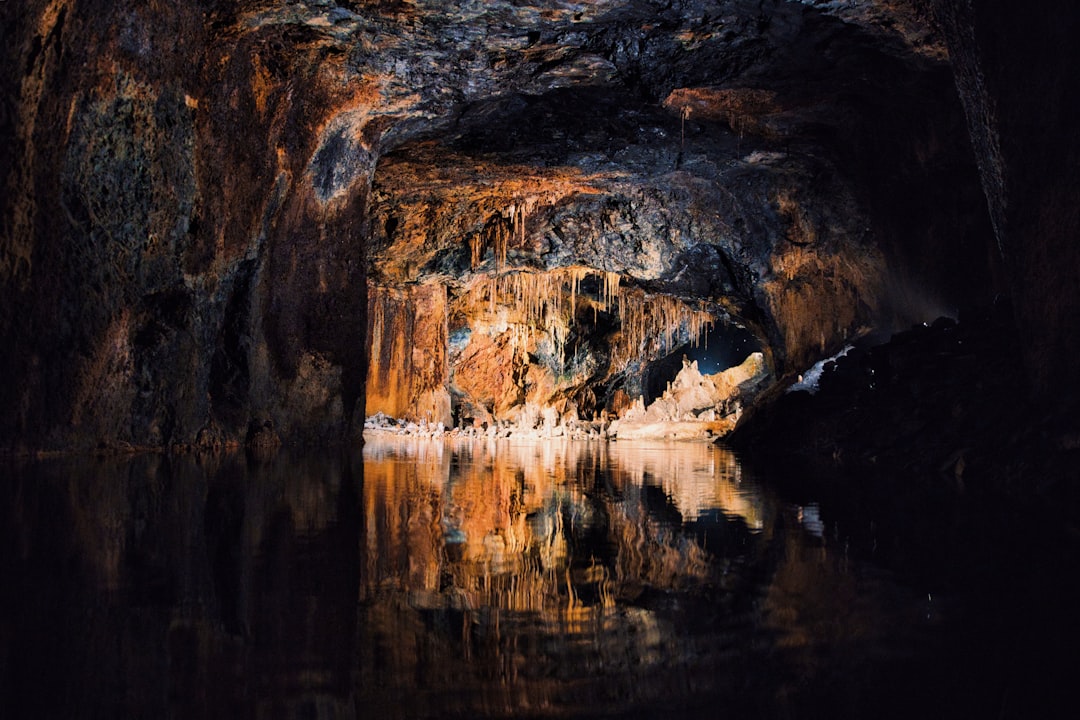
Barać Caves are actually a complex of three connected caves, though only the upper cave is open to visitors. The accessible section stretches about 500 meters into the hillside and reaches depths of around 70 meters. Inside, you'll find impressive stalactites and stalagmites, some estimated to be over 100,000 years old. The formations have evocative names — the "Christmas Tree," the "Organ Pipes," and the "Petrified Waterfall" — and the cave maintains a constant temperature of around 8–10°C year-round.
Archaeological excavations have uncovered cave bear bones dating back 40,000 years, and there's a small exhibition about the prehistoric fauna near the cave entrance. The surrounding area above the cave is a protected nature trail with viewpoints overlooking the Korana River canyon.
Tours and Tickets
Guided tours run regularly during the tourist season (April through October), typically departing every 30–60 minutes. Tours last about 45 minutes and follow a well-lit, paved path through the cave. You don't need to be especially fit, though there are some stairs.
- Adult ticket: Around 10 EUR
- Children (5–15): Around 7 EUR
- Children under 5: Free
- Combo tickets with the nature trail above the caves are available for a few euros more
Book through the official Barać Caves website or buy tickets on arrival — advance booking is recommended in July and August but usually unnecessary outside peak season.
What to Expect
The cave is well-maintained with electric lighting that highlights the formations. Wear a light jacket — even in summer, the cave interior hovers around 9°C. Comfortable shoes with grip are recommended as some sections can be damp. Photography is allowed, though the low light makes a phone with night mode or a camera with manual settings advisable.
The nature trail above the cave adds another 45–60 minutes and offers views down into the Korana River gorge. It's a worthwhile addition if you have the time.
Practical Details
- Distance from Plitvice: 14 km (15 minutes by car)
- Season: April–October for tours (exact dates vary by year)
- Time needed: 1–2 hours (cave + nature trail)
- Tip: Visit on hot days — the cave is a natural escape from summer heat
Mreznica Canyon — Kayaking, Rafting, and Wild Swimming
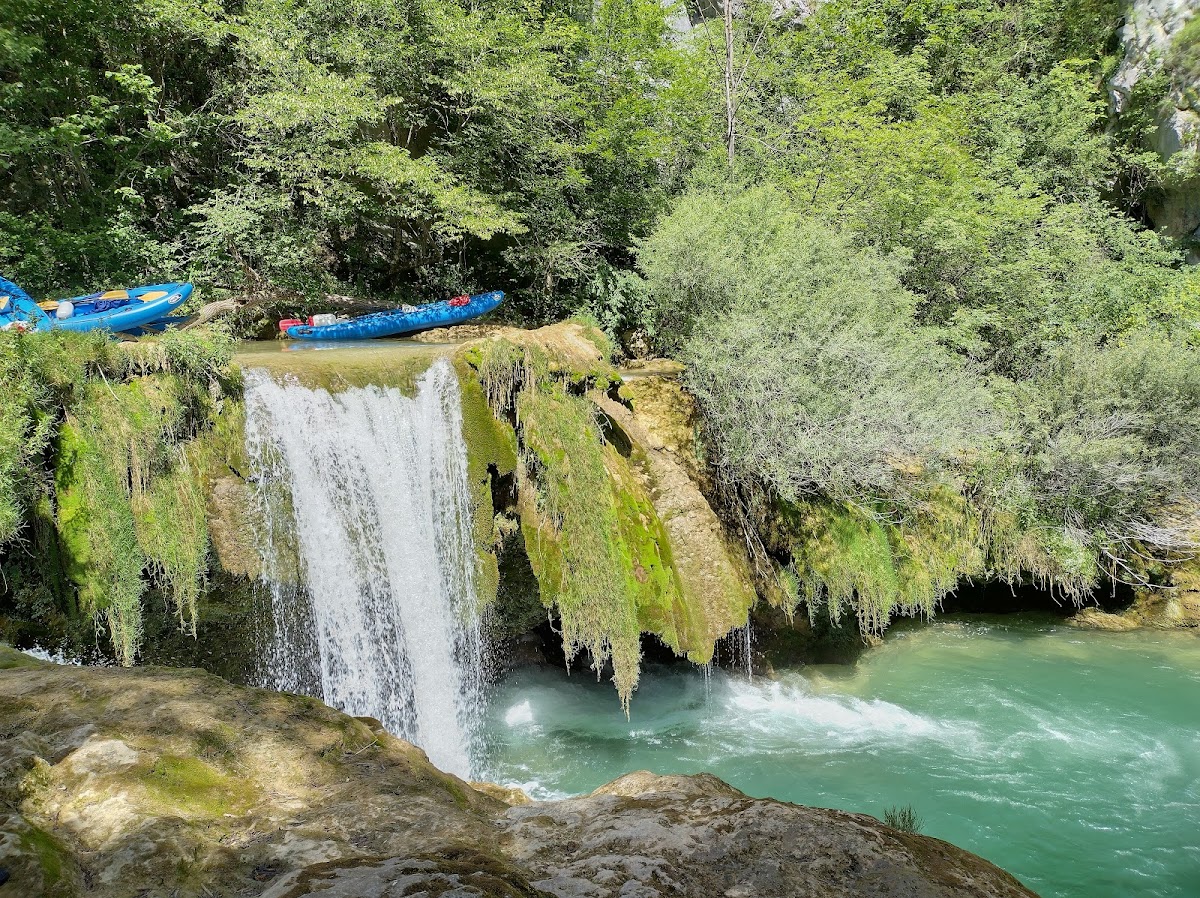
The Mreznica River has carved a stunning canyon through the karst landscape northeast of Plitvice, creating a chain of waterfalls, natural pools, and cascades that stretches for kilometers. It's one of Croatia's best inland water adventure destinations, and it's largely unknown to international tourists.
Kayaking and Rafting
Several local operators run kayaking and rafting trips on the Mreznica, with routes tailored to different skill levels. The most popular kayaking section covers roughly 7 kilometers and passes through around 10 waterfalls and cascades, some of which you paddle right over (they're small enough — typically 1–2 meters — to be thrilling without being dangerous). Kayak tours typically last 3–4 hours including breaks for swimming.
Rafting trips follow similar routes but on inflatable rafts with a guide, making them accessible to complete beginners and families with older children. Expect to get wet — that's the point.
Swimming Spots
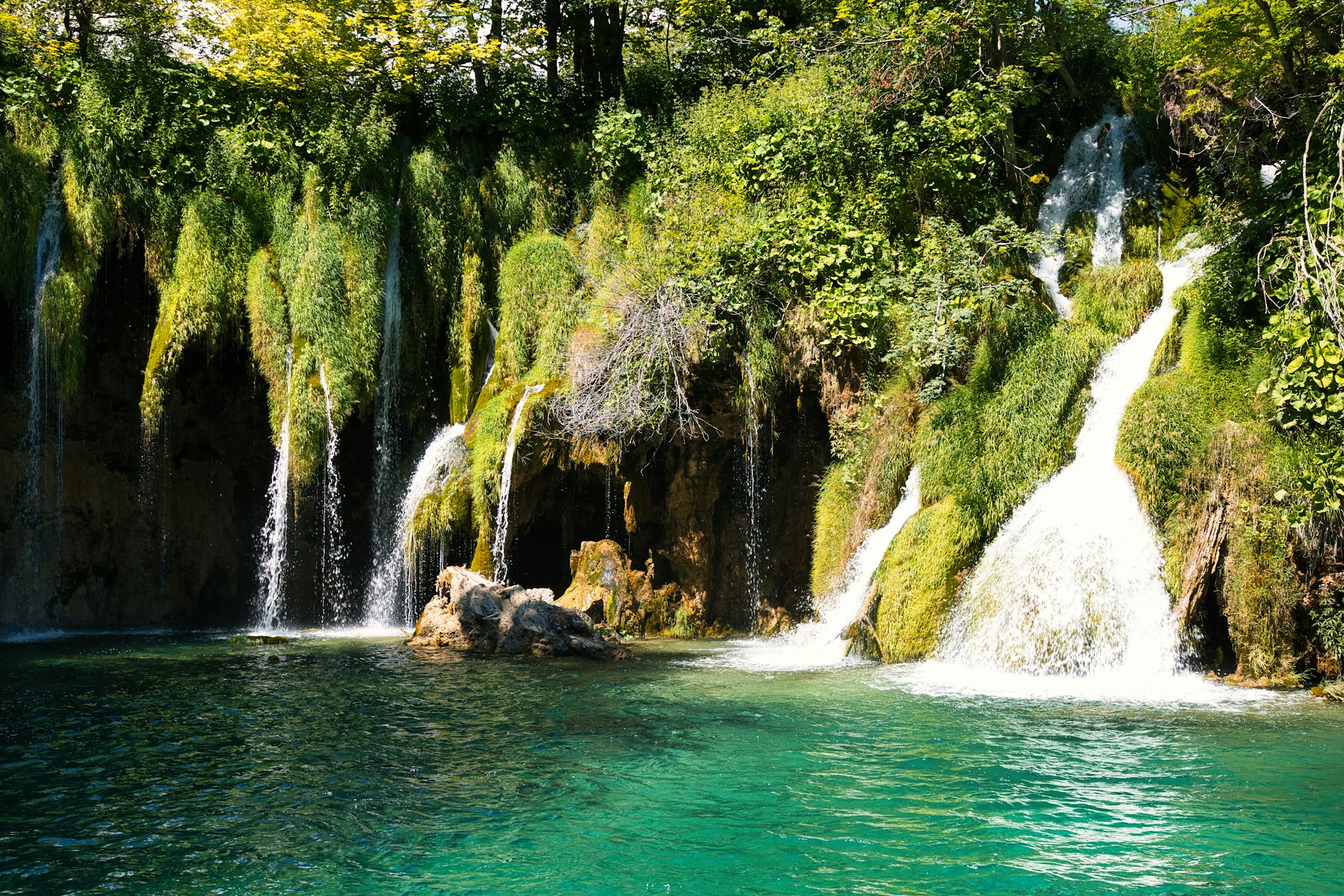
The Mreznica is famous for its natural swimming holes, where the river widens into calm, deep pools between waterfalls. The water is a striking shade of emerald green — the same calcium carbonate chemistry that colors Plitvice's lakes. Popular spots include the pools near Primišlje, Zvečaj, and the area around the Žojski waterfalls. Water temperatures in summer reach 20–24°C, comfortable enough for extended swimming.
Some swimming spots are free to access; others are managed by local operators who charge a small fee (usually 3–5 EUR) for maintained access points with parking and basic facilities.
Tours Available
- Half-day kayaking tours: 40–60 EUR per person, including equipment, guide, and transport from Plitvice area
- Full-day kayaking tours: 70–90 EUR, covering longer sections with lunch included
- Rafting tours: 35–55 EUR per person
- Tour operators: Raftrek, Blue World, and several Slunj-based adventure companies offer Mreznica trips with pickup from Plitvice accommodations
Practical Details
- Distance from Plitvice: 40–50 km depending on the section (45 minutes–1 hour by car)
- Season: May through September for water activities
- Best for: Adventurous travelers, families with older kids, anyone who loves water
- Tip: Book tours at least a day in advance during July and August
Korana River — Rafting and Riverside Swimming
The Korana River actually flows through Plitvice Lakes National Park — it originates from the park's lowest lake — but the best rafting and swimming sections are outside the park boundaries, downstream toward Slunj and beyond.
Rafting Adventures
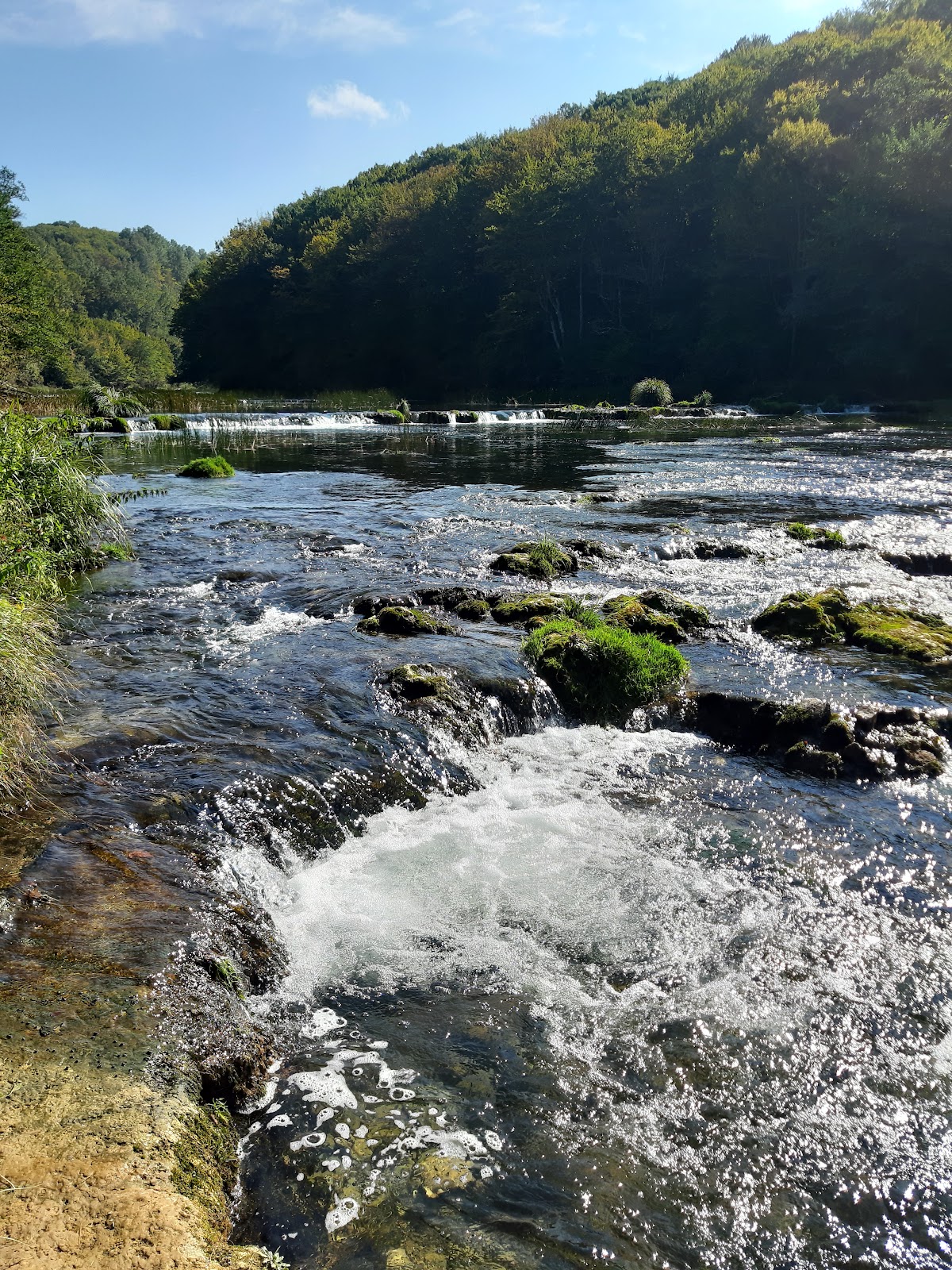
Korana rafting trips typically cover a 10–12 kilometer section downstream from the park, passing through a forested canyon with small rapids, gentle drops, and stretches of calm water. The rapids are Class I–II, making this suitable for beginners, families, and anyone who doesn't want an extreme whitewater experience. Guides paddle along and handle navigation; your job is mostly to enjoy the scenery and get splashed.
Rafting trips last 2–3 hours on the water, with total excursion time of about 4 hours including transport, gear-up, and a break. Expect to pay 35–50 EUR per person. Most operators include neoprene suits and helmets.
Swimming Areas
Below Rastoke village, the Korana widens into several swimming areas accessible from the riverbank. The most popular is near the old Slunj bridge, where locals swim in the deep, clear water during summer afternoons. There are also quieter spots upstream between Plitvice and Slunj — ask your accommodation hosts for their favorite local swimming holes, as many aren't signposted.
Access Points
The easiest access to the Korana is through Slunj and Rastoke, where you can combine a village visit with riverside swimming. For organized rafting, operators handle access — they provide transport from your accommodation to the put-in point and shuttle you back from the take-out. If you're driving independently, look for signed access points along the D1 road between Plitvice and Slunj.
Practical Details
- Distance from Plitvice: 10–35 km depending on the section
- Rafting operators: Many of the same companies that run Mreznica trips also operate on the Korana
- Season: June through September for swimming, May through October for rafting
- Water temperature: 16–22°C in summer (colder than the Mreznica)
Other Attractions Near Plitvice
Mukinje Village
Mukinje is the closest settlement to Plitvice's Entrance 2, essentially the park's doorstep village. While it's primarily an accommodation hub, it's worth a wander for its peaceful atmosphere, traditional wooden houses, and a few family-run restaurants serving home-cooked Croatian food. The village gives you a feel for what mountain life in Lika looks like beyond the tourist trail. Several accommodation owners in Mukinje keep small gardens and offer guests home-produced cheese, honey, and rakija (Croatian fruit brandy).
Equestrian Centers
Horseback riding through the forests and meadows around Plitvice is an underrated way to experience the landscape. Several stables and equestrian centers operate within 20 kilometers of the park:
- Ranch Terra near Grabovac offers guided trail rides through woodland and meadows, with options ranging from one-hour beginner sessions to half-day rides. Prices typically start around 30 EUR per person for an hour.
- Several smaller family-run stables near Rakovica offer more intimate experiences, often on mountain horses bred for the terrain.
Rides are available year-round, though spring and autumn are most comfortable. No experience is necessary for the shorter rides — guides match you with an appropriate horse and provide basic instruction.
Zip-Lining at Pazi Medo
The Pazi Medo Adventure Park near Rakovica (about 12 km from Plitvice's Entrance 1) offers zip-lining over forested hills. The name means "Watch Out, Bear" — a nod to the brown bears that inhabit the forests around Plitvice. The park features multiple zip-line runs of varying lengths and heights, with the longest stretching over 200 meters above the treetops.
Expect to pay 25–40 EUR per person depending on the package. The park also has rope courses and climbing elements for those who want to extend their adventure. It's a good option for families with teenagers or anyone looking for an adrenaline break from hiking.
Hiking Trails Outside the Park
Plitvice's official trails get the most attention, but the surrounding region has excellent hiking that sees a fraction of the visitors:
- Medveđak Trail is a marked circular route starting near Entrance 2 that passes through old-growth beech forest. It's about 7 kilometers and takes 2–3 hours. The trail is known as one of the best spots for wildlife — deer, wild boar tracks, and occasionally signs of bears and wolves, though sightings are rare.
- Čorkova Uvala is a primeval forest reserve near the park's southwestern boundary, containing some of the oldest beech and fir trees in Europe. Access is limited and guided tours are sometimes available through the park.
- The hills above Jezerce offer panoramic views across the lakes region, with unmarked but walkable trails through highland meadows.
Local Farms and Agrotourism
Agrotourism is growing around Plitvice as local families open their farms to visitors. These experiences offer something you won't find inside the park: connection to the land and the people who live on it.
Typical agrotourism offerings include:
- Farm visits where you can see traditional cheesemaking, honey production, or livestock farming
- Home-cooked meals featuring local specialties like lamb cooked under a peka (iron bell), handmade pasta, and fresh dairy products
- Rakija tasting — nearly every family in Lika produces their own fruit brandy, and comparing varieties is a genuine cultural experience
- Truffle hunting in the forests near Plitvice — the Lika region has growing truffle tourism, and some farms offer guided hunts with trained dogs
Look for agrotourism signs along the roads near Rakovica, Selište Drežničko, and Smoljanac. Your accommodation hosts can also recommend their favorite local farms.
Day Trip Ideas — Multi-Attraction Itineraries
Half-Day Adventure: Rastoke + Korana Swimming
Drive to Rastoke in the morning, spend 2 hours exploring the village and having brunch at one of the waterfall restaurants. Then walk down to the Korana River below the village for an afternoon swim. Total time: 4–5 hours.
Full-Day Water Adventure: Mreznica Kayaking + Rastoke
Book a morning kayaking trip on the Mreznica (departing around 9 AM), finish by early afternoon, then drive to Rastoke for a late lunch and village exploration. Back to your accommodation by evening. Total time: 7–8 hours.
Culture and Nature: Barać Caves + Mukinje + Farm Visit
Start with a morning tour of Barać Caves and the nature trail (2 hours). Drive to Mukinje for lunch at a village restaurant. Spend the afternoon at an agrotourism farm near Rakovica for cheese tasting and a home-cooked meal. Total time: 5–6 hours.
Adrenaline Day: Zip-Line + Rafting
Hit the Pazi Medo zip-line park in the morning (1.5 hours), then join an afternoon Korana rafting trip. This is a great option for families with teenagers. Total time: 5–6 hours.
Two-Day Extension
If you're spending two full days near Plitvice (beyond your park visit), split it: Day 1 for Rastoke, Barać Caves, and a farm visit. Day 2 for Mreznica kayaking or Korana rafting plus the Medveđak hiking trail.
Frequently Asked Questions
What are the best things to do near Plitvice Lakes besides the park?
The top attractions near Plitvice are Rastoke village (30 minutes north), Barać Caves (15 minutes away), kayaking on the Mreznica River, rafting on the Korana River, zip-lining at Pazi Medo, and visiting local agrotourism farms. All are within an hour's drive of the park entrances.
Is Rastoke village worth visiting?
Yes. Rastoke is often called "Little Plitvice" because the Slunjčica River creates dozens of waterfalls flowing through a historic watermill village. It takes 1.5–3 hours to explore, offers excellent photo opportunities, and has two waterfall-side restaurants. It's one of inland Croatia's hidden highlights.
Can I visit Barać Caves in winter?
The caves are typically open from April through October, with guided tours running regularly. In winter, the caves are usually closed to visitors. Check the official Barać Caves website for current season dates, as opening and closing dates can vary slightly each year.
Are the river activities near Plitvice suitable for children?
Korana rafting (Class I–II rapids) is suitable for children aged 6 and up with a guide. Mreznica kayaking tours generally accept children aged 10+ in tandem kayaks with an adult. Swimming in the natural pools is appropriate for all ages with supervision, though the water is cold. Check with individual operators for their specific age policies.
Do I need a car to visit attractions near Plitvice?
A car makes everything significantly easier — public transport in the Plitvice region is limited. However, many rafting and kayaking operators offer pickup and drop-off from Plitvice-area accommodations. Rastoke is reachable by bus from Plitvice (buses running the Zagreb–Split route stop in Slunj), though service is infrequent. For the most flexibility, rent a car.
How many extra days should I plan beyond my Plitvice park visit?
One extra day is enough to see Rastoke and either Barać Caves or a river activity. Two extra days let you comfortably explore multiple attractions without rushing. If you want to include kayaking, a farm visit, and village exploration, two days beyond your park time is ideal.