Best Time to Visit Plitvice Lakes: Complete Month-by-Month Guide (2026)
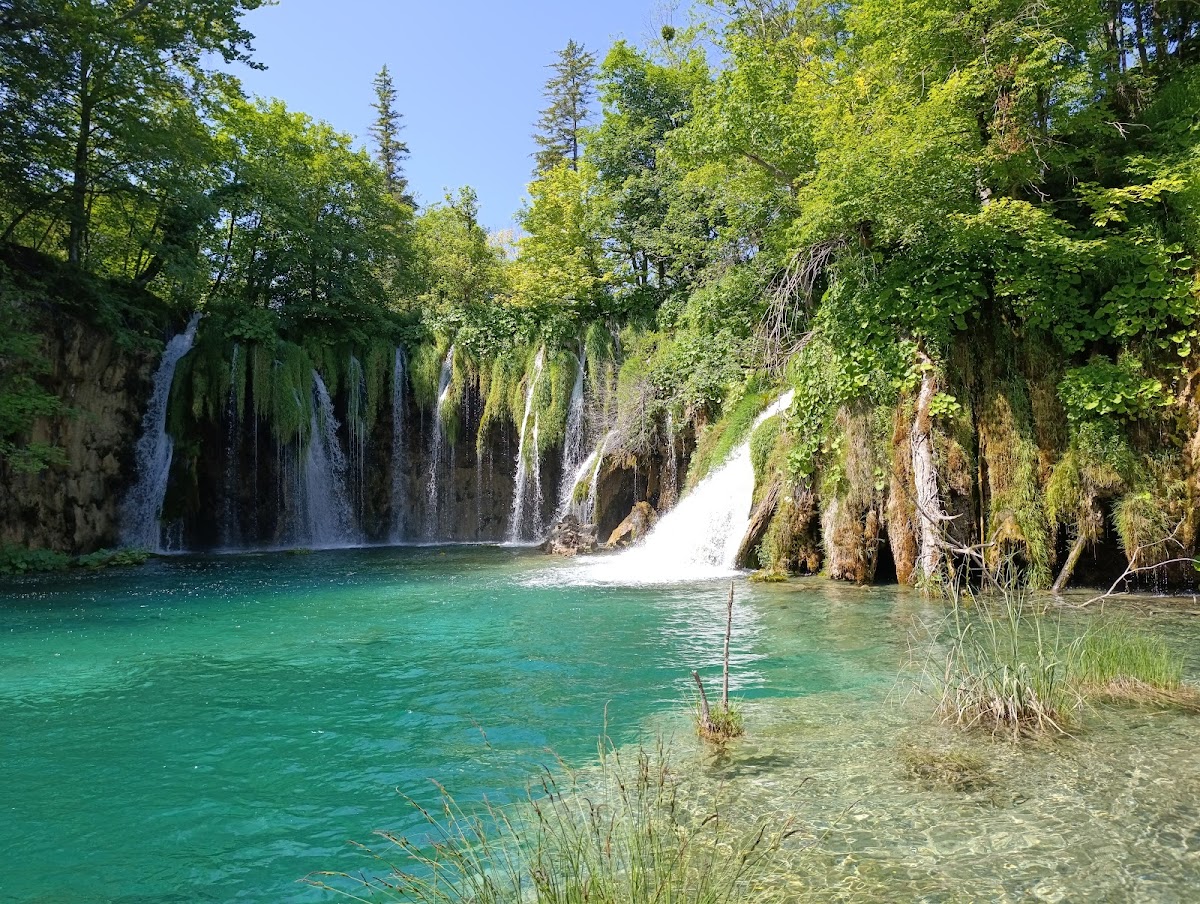
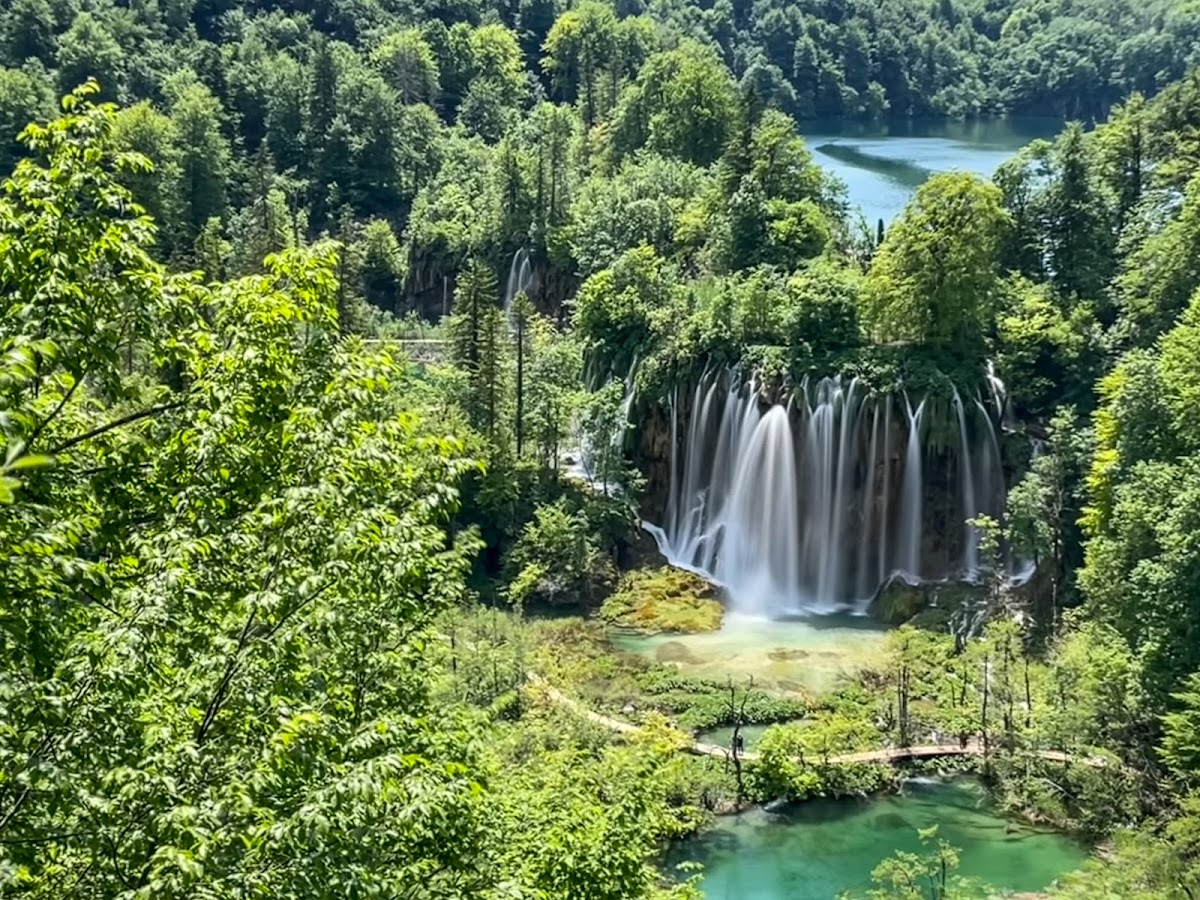
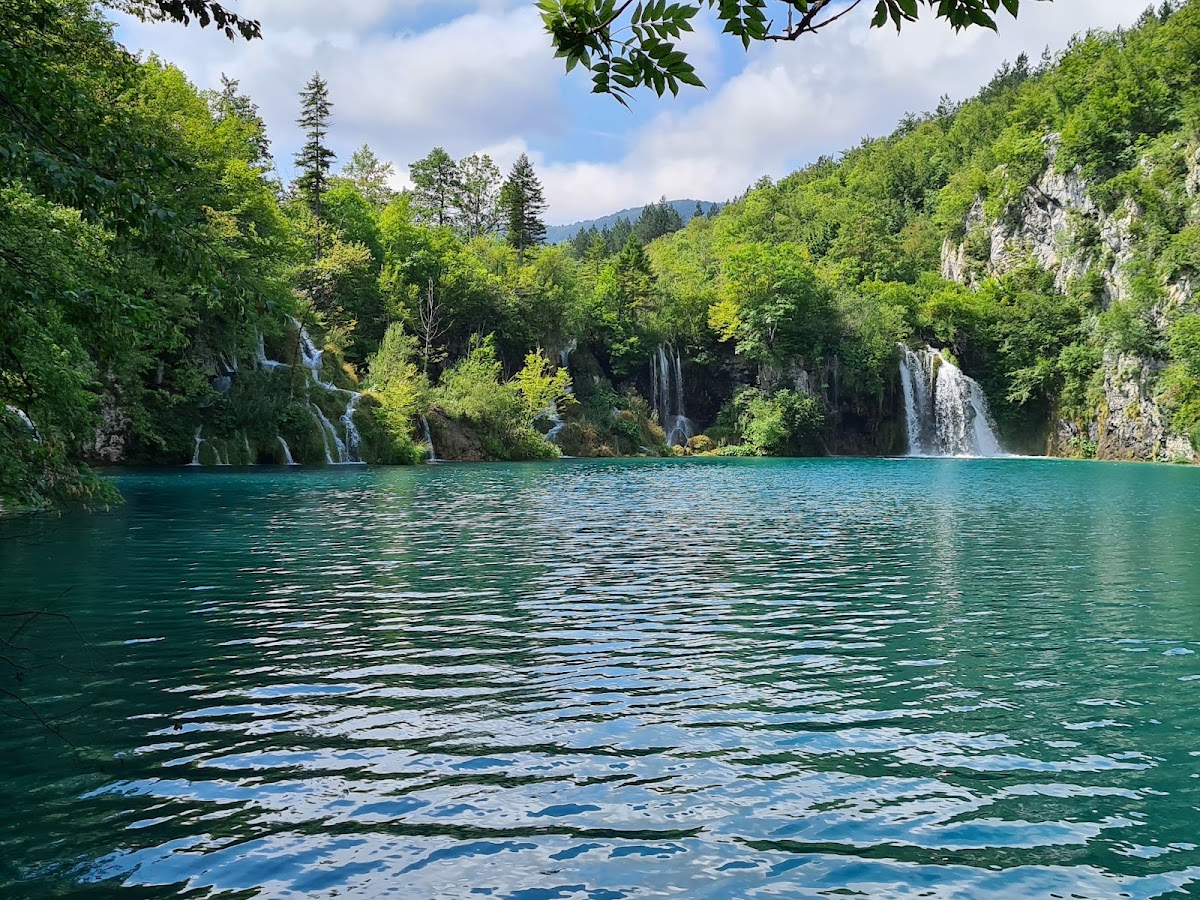
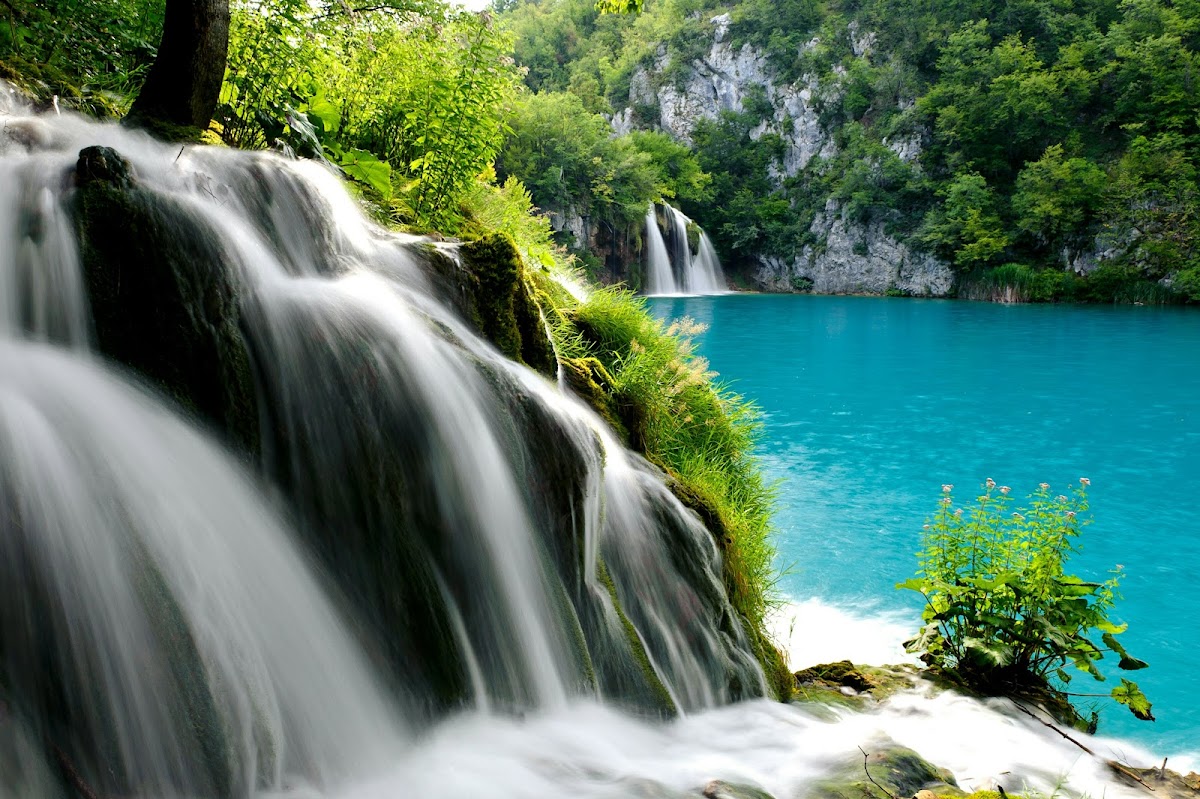
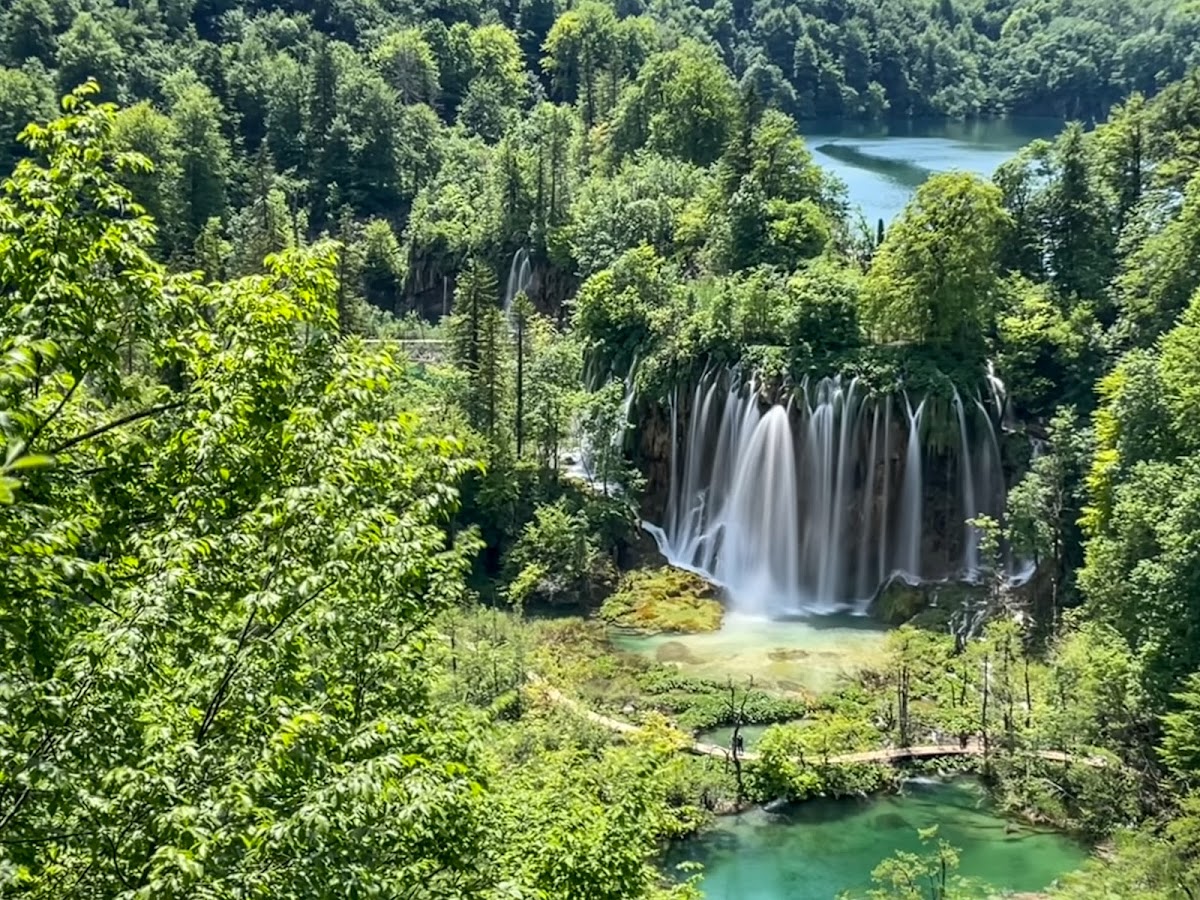
Plitvice Lakes National Park is Croatia's crown jewel — a UNESCO World Heritage Site with 16 terraced lakes connected by over 90 waterfalls, all set within 300 square kilometers of dense beech and fir forest. With approximately 1.5 million visitors each year, choosing when to visit can mean the difference between a magical, uncrowded experience and a frustrating shuffle along packed boardwalks.
The short answer: May and September offer the ideal balance of pleasant weather, full waterfalls, manageable crowds, and mid-range ticket prices (€23 vs €40 in peak summer). But the best time for you depends on what you're looking for — budget savings, photography conditions, specific activities, or avoiding crowds entirely.
This guide breaks down every month, every season, and every factor so you can plan the perfect Plitvice Lakes visit.
Quick Answer: When Should You Visit Plitvice Lakes?
Before diving into the details, here's the overview for quick decision-making:
| Month | Avg High °C | Crowd Level | Ticket Price (Adult) | Best For |
|---|---|---|---|---|
| January | 4°C | Very Low | €10 | Frozen waterfalls, budget |
| February | 6°C | Very Low | €10 | Winter photography, solitude |
| March | 10°C | Low | €10 | Early spring, budget |
| April | 15°C | Moderate | €23 | Spring waterfalls, wildflowers |
| May | 20°C | Moderate-High | €23 | Best overall balance |
| June | 24°C | High | €40 | Warm weather, long days |
| July | 27°C | Very High | €40 | Summer heat, maximum daylight |
| August | 28°C | Very High | €40 | Summer holidays (most crowded) |
| September | 22°C | Moderate-High | €40 (€23 from Oct 1) | Fall colors begin, warm |
| October | 16°C | Moderate | €23 | Peak autumn foliage |
| November | 10°C | Very Low | €10 | Quiet season, misty atmosphere |
| December | 5°C | Very Low | €10 | Snow, Plitvice Marathon |
Our top picks:
- Best overall month: May — waterfalls at peak flow, wildflowers blooming, warm but not hot, €23 entry
- Best value month: January or February — €10 entry, frozen waterfalls, virtually no crowds
- Best for photography: Mid-October — fall colors, reflections, morning mist
- Avoid if possible: First two weeks of August — peak crowds, highest prices, lowest water levels
Month-by-Month Guide to Visiting Plitvice Lakes
January — Frozen Wonderland
January transforms Plitvice into a silent, crystalline world. The waterfalls partially freeze into dramatic ice formations, snow blankets the walkways, and you might share the entire Lower Lakes canyon with just a handful of visitors.
Weather: Average highs of 4°C, lows of -3°C. Expect 139mm of precipitation across 11 days, often as snow. Only 2 hours of daily sunshine on average. The park sits at 500-600m elevation with a continental microclimate influenced by the Velebit mountain range, which makes winters considerably colder than coastal Croatia.
Crowds: Virtually empty. Daily visitor counts can drop to the low hundreds. You'll experience the park in near-total solitude — a stark contrast to summer's 10,000+ daily visitors.
Ticket price: €10 adults / €6 students / €4 children (Season A pricing)
What's open: The Lower Lakes canyon trail, the electric boat across Lake Kozjak, and the panoramic train all operate. The Upper Lakes wooden boardwalks close for safety when icy. The park typically opens at 8:00 AM and closes around 4:00 PM (last entry at 2:00 PM).
Activities: Walking the Lower Lakes trail, photographing frozen waterfalls, enjoying winter solitude, the Valentine's Day celebration (late January/early February promotional event).
Pros:
- Cheapest entry of the year (€10)
- Frozen waterfalls create otherworldly landscapes
- Almost no other visitors
- Hotels and accommodation at their lowest prices
- Unique winter photography opportunities
Cons:
- Upper Lakes section closed
- Short daylight hours (about 9 hours)
- Cold temperatures require serious winter gear
- Some trails may be icy or closed
- Fewer facilities open in surrounding villages
Photography rating: 4/5 — Frozen waterfalls and snow-covered landscapes are extraordinarily photogenic, though overcast skies can limit dramatic lighting.
February — Winter Magic Continues
February continues January's winter magic with slightly improving conditions. Days begin to lengthen, and on clear days, low-angle winter sunlight creates beautiful contrasts against snow and ice. The park remains wonderfully quiet.
Weather: Average highs of 6°C, lows of -2°C. Precipitation drops slightly to 125mm across 10 days. Sunshine hours increase to 3 per day. Late February can bring the first tentative hints of spring — snowdrops pushing through snow-covered ground.
Crowds: Still among the quietest months. A slight uptick from January but nowhere near busy.
Ticket price: €10 adults / €6 students / €4 children (Season A)
What's open: Same as January — Lower Lakes, boat, and train. Upper Lakes remain closed in icy conditions.
Activities: Winter walking, photography, early birdwatching (the park has over 160 bird species, with some winter residents like woodpeckers, nuthatches, and dippers active along the lakes).
Pros:
- Still €10 entry — best value in Europe for a UNESCO site
- Waterfalls often still frozen or partially frozen
- Very few tourists
- Slightly longer days than January
- Occasional clear, crisp days perfect for photography
Cons:
- Upper Lakes typically still closed
- Still cold — bring layers
- Weather can be unpredictable (rain, sleet, or snow)
- Limited dining options in the park area
Photography rating: 4/5 — Similar to January but with improving light angles. The combination of ice, mist, and winter forest can produce stunning images.
March — Early Spring Awakening
March marks the transition from winter to spring at Plitvice. Snowmelt begins feeding the waterfalls, which start to swell with increasing water flow. The forest floor may still have patchy snow in early March, but by month's end, the first green shoots appear. It's an underrated time to visit.
Weather: Average highs of 10°C, lows of 1°C. Precipitation of 130mm across 11 days — a mix of rain and late-season snow. Sunshine hours increase to 4 per day. Temperatures can swing significantly: a warm day might hit 14-15°C while a cold snap brings near-freezing conditions.
Crowds: Low. Visitor numbers remain well below capacity. Weekdays are especially quiet.
Ticket price: €10 adults / €6 students / €4 children (Season A — last month at the cheapest rate)
What's open: Lower Lakes are always accessible. Upper Lakes boardwalks typically begin reopening in mid-to-late March depending on ice conditions — check with the park before visiting if this matters to you. Boat and train services operate.
Activities: Hiking the Lower Lakes, early wildflower spotting, birdwatching (spring migration begins), photographing rushing waterfalls as snowmelt increases flow.
Pros:
- Last month for €10 entry pricing
- Waterfalls gaining strength from snowmelt
- Far fewer visitors than April onwards
- Nature beginning to wake up — exciting transition period
- Upper Lakes may reopen by late March
Cons:
- Weather is highly unpredictable
- Some trails may still be closed or muddy
- The park looks brown-green — not yet the lush spring palette
- Cool temperatures still require warm clothing
Photography rating: 3.5/5 — Waterfalls are gaining power but the landscape hasn't fully greened up. Atmospheric conditions (mist, rain) can create moody shots.
April — Waterfalls Come Alive
April is when Plitvice starts to truly shine. Snowmelt from the mountains combines with spring rains to push waterfall flow to some of the highest levels of the year. The forest erupts in fresh green, wild garlic carpets the forest floor with white blooms, and the wooden boardwalks weave through a landscape that feels alive with rushing water and birdsong.
Weather: Average highs of 15°C, lows of 5°C. April gets 108mm of rain across 12 days — it's actually one of the rainier months by frequency, though not by volume. Sunshine hours climb to 5 per day. Pack layers: mornings can be crisp, while afternoon sun can feel genuinely warm.
Crowds: Moderate. April marks the beginning of the mid-season (Season B), and visitor numbers climb noticeably. Weekdays are still comfortable; weekends bring more day-trippers from Zagreb and the coast.
Ticket price: €23 adults / €14 students / €6 children (Season B starts April 1)
What's open: All trails, routes, and hiking programs (A through K) are typically available. Electric boats and panoramic trains run on expanded schedules. Park hours extend — typically 7:00 AM to 7:00 PM.
Activities: Full hiking routes (2-8 hours), wildflower walks, birdwatching (peak spring migration), photography of rushing waterfalls and fresh greenery, Upper Lakes exploration.
Pros:
- Waterfalls at near-peak flow — powerful and dramatic
- Forest becomes an intense emerald green
- Wild garlic and wildflower season
- All trails and routes open
- Reasonable prices (€23 vs summer's €40)
- Pleasant hiking temperatures
Cons:
- Frequent rain — waterproofs are essential
- Mornings can still be chilly
- Crowds building, especially on weekends
- Boardwalks can be slippery when wet
Photography rating: 4.5/5 — Lush greens, powerful waterfalls, wildflowers, and atmospheric mist after rain. One of the best months for capturing the park's essence.
May — The Sweet Spot
If we had to recommend one single month, it would be May. Everything aligns: waterfalls are at their peak, the forest is lushly green, temperatures are ideal for hiking, summer crowds haven't arrived yet, and you still get the mid-season ticket price. This is the month that earns Plitvice its UNESCO designation in visitors' minds.
Weather: Average highs of 20°C, lows of 9°C. May is actually the wettest month by volume (143mm across 12 rain days), but with 7 hours of daily sunshine, there's plenty of time between showers. Rain tends to come in afternoon thunderstorms rather than all-day grey — perfect for morning photography followed by rainy afternoon relaxation.
Crowds: Moderate to high. May sees a noticeable jump in visitors, especially during the second half. Weekends and holidays can get busy, but weekdays in early May remain very manageable. You won't feel the crushing summer crowds yet.
Ticket price: €23 adults / €14 students / €6 children (Season B)
What's open: Everything. All 7+ hiking programs run at full schedule. Boat departures are frequent. Panoramic train runs regularly. Park hours are at their longest — typically 7:00 AM to 8:00 PM.
Activities: Full range of hiking routes, swimming season begins at nearby rivers (not in the park — swimming is strictly prohibited in Plitvice Lakes), cycling on trails around the park, birdwatching, wildflower identification, photography.
Pros:
- Waterfalls at peak flow — the most dramatic you'll see all year
- Perfect hiking temperature (15-22°C most days)
- Lush, vivid green forest canopy
- Still mid-season pricing (€23)
- Long daylight hours (14+ hours)
- All trails and facilities fully operational
- Wildflowers still blooming
Cons:
- Can be rainy (bring waterproofs)
- Weekends getting busy
- Accommodation prices creeping up
- Late May approaches summer crowd levels
Photography rating: 5/5 — Peak conditions. Saturated greens, powerful waterfalls, golden-hour lighting through the forest canopy, and morning mist over the lakes. The travertine formations are covered in vibrant moss and the water is crystal clear.
June — Summer Begins
June ushers in the high season with longer days, warmer temperatures, and a significant jump in ticket prices. The park is still beautiful — summer light penetrates the canopy, the lakes are brilliantly blue-green, and the extended hours let you explore extensively. But crowds arrive in earnest.
Weather: Average highs of 24°C, lows of 13°C. Precipitation drops to 120mm across 10 rain days, with 8 hours of daily sunshine. Afternoons can feel genuinely hot, especially along exposed sections of trail. Thunderstorms are possible in late afternoon.
Crowds: High. June marks the start of Season C, and visitor numbers climb sharply. Daily counts regularly reach 6,000-8,000. The park's daily cap of 12,000 (enforced since 2019) and hourly entrance cap of 600 per entrance start to become relevant on peak days.
Ticket price: €40 adults / €25 students / €15 children (Season C — highest rate). After 4:00 PM: €25 adults / €15 students / €9 children.
What's open: Everything operates at maximum capacity. Extended hours — typically 7:00 AM to 8:00 PM with last entry at 5:00 PM.
Activities: All hiking programs, electric boat rides with frequent departures, panoramic train, longer routes (6-8 hours) are comfortable in the long daylight. Nearby restaurants and accommodation are all open.
Pros:
- Warm, sunny weather ideal for outdoor activities
- Longest daylight hours (15+ hours)
- Maximum park operating hours
- All facilities at full capacity
- After-4PM discounted entry saves €15 per person
- Early June still less crowded than July/August
Cons:
- Highest ticket prices of the year (€40)
- Growing crowds on boardwalks
- Water levels may begin to drop
- Afternoon heat can be uncomfortable
- Need to book accommodation well in advance
- Popular selfie spots get congested
Photography rating: 3.5/5 — Good light but harsh midday sun (10AM-4PM) flattens the landscape and creates difficult contrast. Best shots are at the edges of the day. Crowds on boardwalks make it hard to get clean compositions.
July — Peak Season
July is the busiest month at Plitvice. Croatian and European school holidays bring a deluge of visitors. If you can only come in July, you can absolutely still have a great experience — but it requires strategic planning.
Weather: Average highs of 27°C, lows of 15°C. Rainfall drops to just 96mm across 8 days — this is the driest month. With 9 hours of daily sunshine, July is reliably warm and dry. However, afternoon temperatures on exposed sections can reach 30°C+, and the humidity from all that water makes it feel hotter.
Crowds: Very high. This is the peak. Daily visitors regularly hit 10,000-12,000, brushing up against the park's daily cap. The boardwalks, especially around the Lower Lakes and Veliki Slap (Great Waterfall), become congested. Queues for the electric boat and panoramic train can stretch to 30-45 minutes.
Ticket price: €40 adults / €25 students / €15 children. After 4:00 PM: €25 adults.
What's open: Everything, at maximum capacity. Extended hours.
Activities: All hiking routes, boat rides (expect queues), panoramic train. Bring plenty of water — this is the month where hikers most often suffer from dehydration on the longer routes.
Pros:
- Most reliable warm, dry weather
- Everything open and operational
- Maximum daylight for long hikes
- Vibrant summer atmosphere
- Good for families who can only travel during school breaks
Cons:
- Peak crowds — boardwalks feel congested
- Highest prices with no discount trigger
- Water levels at their lowest — waterfalls can look thin
- Hot and humid, especially midday
- Long queues for boats and trains (30-45 minutes)
- Accommodation premium pricing
- Almost impossible to get a photo without crowds
Photography rating: 2.5/5 — The toughest month for photography. Low water levels mean thinner waterfalls, harsh midday light creates difficult exposures, and constant crowds on every boardwalk make clean compositions nearly impossible. If you must shoot in July, arrive at opening time and head directly to the Upper Lakes.
August — Height of Summer
August shares July's characteristics — peak crowds, peak prices, peak heat. Water levels reach their annual low, and the waterfalls, while still beautiful, lack the thunderous power of spring. The busiest period is the first two weeks, when most of Europe is on holiday simultaneously.
Weather: Average highs of 28°C (the warmest month), lows of 15°C. Precipitation of 97mm across 8 days — similar to July's dry pattern. 9 hours of daily sunshine. Late August can bring short but intense thunderstorms that temporarily fill the waterfalls.
Crowds: Very high, peaking in the first two weeks. The park regularly hits its 12,000 daily visitor cap, meaning gates can close temporarily once capacity is reached. Weekend mornings in early August may see queues at the entrance before 8:00 AM.
Ticket price: €40 adults / €25 students / €15 children. After 4:00 PM: €25 adults.
Activities: Same as July. Consider the shorter routes (Programs A or B, 2-3 hours) to avoid the worst heat. The after-4PM entry is particularly attractive in August — temperatures moderate, afternoon light improves, and you save €15.
Pros:
- Warmest weather of the year
- Very long days
- Everything operational
- Second half of August sees gradual crowd reduction
- Late August thunderstorms can temporarily boost waterfall flow
Cons:
- The absolute busiest period (first two weeks)
- Park may close entry when daily cap is reached
- Waterfalls at their weakest flow
- Oppressive heat and humidity midday
- Highest accommodation prices of the year
- You'll spend significant time in queues
Photography rating: 2.5/5 — Same challenges as July. The silver lining: late August afternoon thunderstorms can create dramatic light and temporarily revive waterfalls.
September — The Other Sweet Spot
September is our second-favorite month, and many seasoned Plitvice visitors consider it the best of all. Summer crowds thin dramatically after the first week (once school resumes across Europe), temperatures drop to comfortable hiking weather, and the first touches of autumn color appear on beech trees. Water levels recover from summer lows, and the quality of light shifts to warmer, more golden tones.
Weather: Average highs of 22°C, lows of 11°C. Rainfall increases to 130mm across 9 days — but this is welcome, recharging the waterfalls. 7 hours of daily sunshine with increasingly golden light as the sun angle drops. Morning mist over the lakes becomes more frequent and adds incredible atmosphere.
Crowds: Moderate to high in the first week, dropping to moderate by mid-September, and comfortable by month's end. A dramatic shift from August.
Ticket price: €40 adults until September 30 (Season C), but the after-4PM discount applies (€25 adults). Pro tip: If you can delay until October 1, the price drops to €23.
What's open: All trails and facilities remain open. Hours begin to shorten slightly — typically 7:00 AM to 7:00 PM.
Activities: All hiking programs, boat and train rides with shorter queues, early autumn leaf-peeping, mushroom foraging in surrounding forests (not in the park), photography in golden light.
Pros:
- Crowds drop significantly after first week
- Perfect hiking temperatures (15-22°C)
- Waterfalls regaining strength from autumn rains
- Golden-hour light quality improves dramatically
- Morning mist creates magical photography conditions
- All trails open, no winter closures yet
- Beech trees begin turning yellow and gold
Cons:
- Still €40 entry (Season C runs through September)
- First week can still be busy
- Some rain expected
- Daylight hours shortening
- Evenings can feel cool
Photography rating: 4.5/5 — Excellent. Golden light, morning mist, the first autumn colors, recovering water levels, and far fewer people on the boardwalks. Late September is particularly good for reflections on calm lake surfaces.
October — Autumn Colors
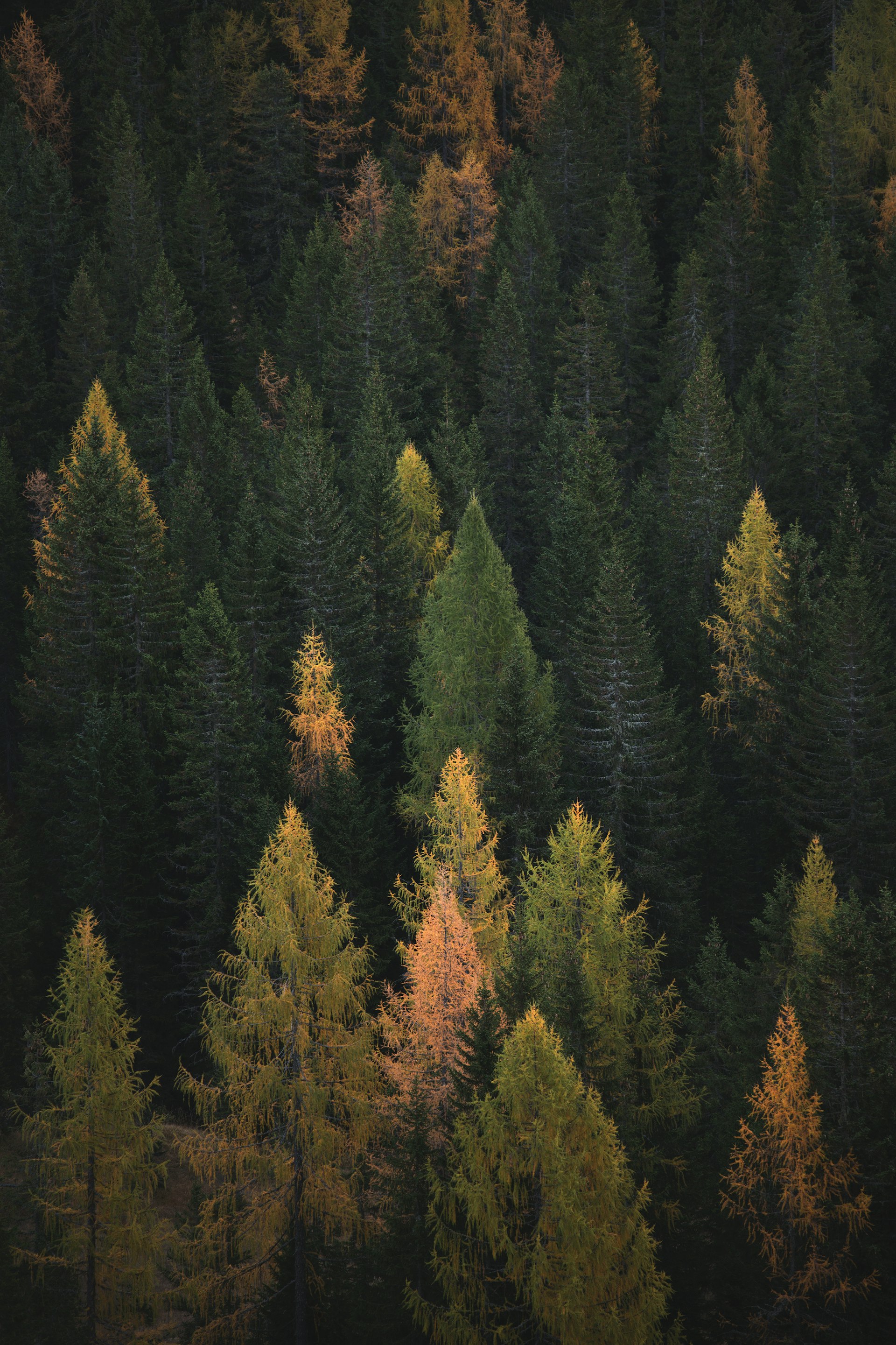
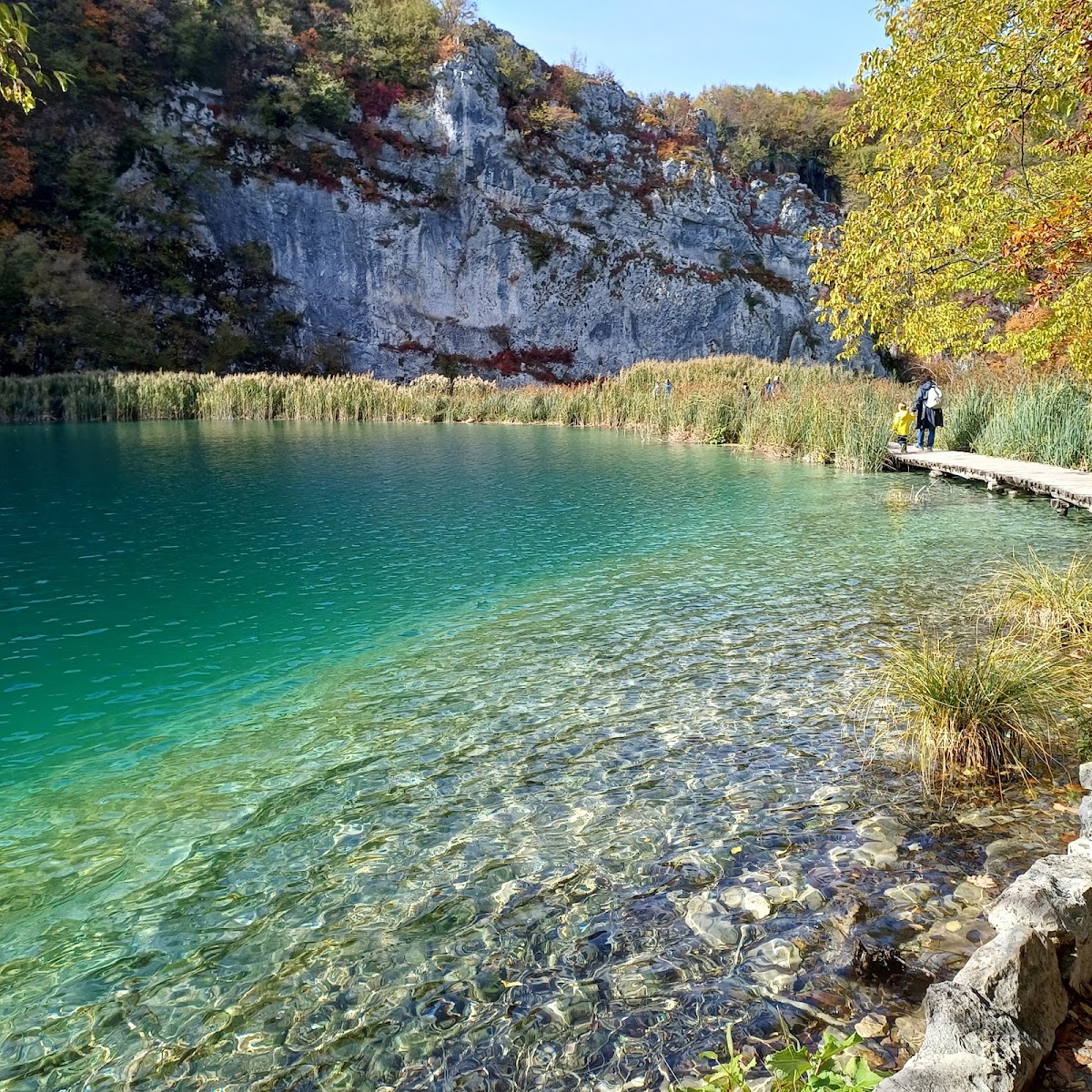
October is the photographer's dream at Plitvice. The beech forests explode in shades of gold, amber, crimson, and russet. Fallen leaves float on the turquoise water, creating stunning contrasts. Morning mist drifts between the lakes almost daily, and the waterfalls are replenished by autumn rains. If you prioritize visual impact, October — especially mid-October — is arguably the most beautiful time to visit.
Weather: Average highs of 16°C, lows of 7°C. This is one of the wettest months by volume (143mm across 10 days). With only 5 hours of daily sunshine, overcast skies are common — but this actually benefits photography by providing soft, even light. Mornings can be cold (near 5°C), warming to pleasant hiking temperatures by midday.
Crowds: Moderate. October is Season B territory and crowds thin notably. Mid-week visits in late October can feel genuinely uncrowded. Some sources report that the park runs an autumn promotional week in October with discounted tickets — check the official website before your visit.
Ticket price: €23 adults / €14 students / €6 children (Season B from October 1 — a significant drop from September's €40)
What's open: All trails are typically open throughout October. Boat and train services operate, though on a slightly reduced schedule. Hours: approximately 7:00 AM to 6:00 PM.
Activities: Autumn hiking, photography excursions, leaf-peeping, the autumn promotional week (if running), exploring without summer crowds.
Pros:
- Stunning autumn foliage — peak color around mid-October
- Price drops to €23 (from €40 in September)
- Noticeably fewer crowds
- Morning mist and atmospheric conditions
- Waterfalls strengthened by autumn rains
- Fallen leaves on turquoise water create iconic images
- Soft, even light ideal for photography
Cons:
- Frequent rain — waterproof jacket essential
- Cool mornings require layers
- Shorter daylight hours (about 11 hours)
- Some cloudier days
- Colors depend on the year's weather patterns — no guarantee of peak foliage timing
Photography rating: 5/5 — The absolute peak for photography. Autumn colors reflected in turquoise water, morning mist, soft light through golden canopy, waterfalls framed by fiery foliage. Mid-October is considered the single best time for landscape photography at Plitvice by most professionals.
November — Quiet Season Begins
November signals the return to the quiet season. The autumn colors fade to bare branches, the first frosts arrive, and the park takes on a muted, contemplative quality. It's not the most conventionally beautiful month, but for those who value solitude and mood, November has a haunting appeal.
Weather: Average highs of 10°C, lows of 3°C. November is the rainiest month by volume (155mm across 11 days). Only 3 hours of daily sunshine. Fog and mist are common. First snow is possible, especially in late November. The combination of bare trees, grey skies, and mist can feel atmospheric or gloomy depending on your perspective.
Crowds: Very low. Visitor numbers plummet. You may encounter only a few dozen other visitors on a weekday.
Ticket price: €10 adults / €6 students / €4 children (Season A from November 1 — the biggest single-day price drop of the year)
What's open: The Upper Lakes wooden boardwalks typically close for the winter in November. The Lower Lakes, electric boat, and panoramic train continue to operate. Park hours: approximately 8:00 AM to 4:00 PM (last entry at 2:00 PM).
Activities: Walking the Lower Lakes trail, moody photography, peaceful contemplation. Nearby thermal spas in the Lika region are a great complement to a November Plitvice visit.
Pros:
- Cheapest entry (€10) — incredible value
- Near-total solitude
- Atmospheric mist and fog
- Waterfalls still flowing well from autumn rains
- Unique moody landscape photography
- Accommodation at off-season prices
Cons:
- Upper Lakes typically close
- Shortest daylight hours and least sunshine
- Frequent rain
- Cold and damp
- Bare trees — less visual color
- Many local restaurants and services reduce hours or close
Photography rating: 3.5/5 — The park trades color for mood. Misty conditions can produce hauntingly beautiful images, but overcast skies and bare trees limit conventional landscape shots.
December — Winter Wonderland
December brings the full winter experience. By mid-month, snow is likely, and the waterfalls begin their freeze-over process. The park is quiet and beautiful in a stark, elemental way. December ends with a special event: the Plitvice Marathon on December 31, a unique way to ring in the new year in one of Europe's most beautiful national parks.
Weather: Average highs of 5°C, lows of -1°C. Precipitation of 148mm across 11 days, increasingly as snow. Only 2 hours of daily sunshine. Prepare for genuinely cold conditions — mornings can drop well below -5°C.
Crowds: Very low. Apart from the Plitvice Marathon event at month's end, December is one of the emptiest months.
Ticket price: €10 adults / €6 students / €4 children (Season A)
What's open: Lower Lakes trail, boat (weather permitting), panoramic train. Upper Lakes closed. Reduced hours: 8:00 AM to 4:00 PM.
Activities: Winter walking, photographing early ice formations, the Plitvice Marathon (December 31) — a road running event through the park area that attracts several hundred participants.
Pros:
- Snow transforms the park into a fairy-tale landscape
- €10 entry
- Near-empty trails
- Plitvice Marathon is a unique event
- Early ice formations on waterfalls begin
- Holiday atmosphere in local villages
Cons:
- Cold, dark, and short days
- Upper Lakes closed
- Very limited park hours
- Snow and ice can make trails slippery
- Many tourist services closed for winter
Photography rating: 4/5 — Snow-covered landscapes with early ice formations are stunning. The challenge is limited daylight and frequently overcast skies.
Plitvice Lakes Weather by Season
Understanding Plitvice's continental climate is essential for planning. Unlike coastal Croatia (which enjoys a Mediterranean climate), the park sits at 500-600m elevation between the Adriatic coast and the Pannonian Plain. The Velebit mountain range creates a microclimate that makes Plitvice significantly colder, wetter, and more variable than you might expect from a "Croatian" destination.
Complete Weather Data Table
| Month | High °C | Low °C | Rain (mm) | Rain Days | Sun Hours |
|---|---|---|---|---|---|
| January | 4 | -3 | 139 | 11 | 2 |
| February | 6 | -2 | 125 | 10 | 3 |
| March | 10 | 1 | 130 | 11 | 4 |
| April | 15 | 5 | 108 | 12 | 5 |
| May | 20 | 9 | 143 | 12 | 7 |
| June | 24 | 13 | 120 | 10 | 8 |
| July | 27 | 15 | 96 | 8 | 9 |
| August | 28 | 15 | 97 | 8 | 9 |
| September | 22 | 11 | 130 | 9 | 7 |
| October | 16 | 7 | 143 | 10 | 5 |
| November | 10 | 3 | 155 | 11 | 3 |
| December | 5 | -1 | 148 | 11 | 2 |
Spring (April-May)
Spring at Plitvice is a season of renewal and power. Snowmelt from surrounding mountains combines with spring rains to push waterfall flow to its annual peak. The forest floor explodes with wild garlic, wood anemones, and other wildflowers. Average temperatures range from 5-20°C, climbing as the season progresses.
What to expect: Changeable weather with a mix of sunny days, rain, and the occasional cool snap. Pack layers — mornings might be 8°C while afternoons reach 18°C. Rain is frequent but rarely lasts all day. The park transforms from brown-green (early April) to intense emerald (late May).
Key numbers:
- Temperature: 15-20°C (highs), 5-9°C (lows)
- Rainfall: 108-143mm per month
- Sunshine: 5-7 hours per day
- Daylight: 12.5-15 hours
Summer (June-August)
Summer brings warmth, long days, and crowds. The forest canopy is fully leafed out, providing shade along most trails. Lakes are at their most vivid blue-green. However, water levels drop — particularly by late July and August — and waterfalls can look significantly thinner compared to spring.
What to expect: Warm to hot weather with occasional afternoon thunderstorms. The park's elevation keeps it slightly cooler than lowland Croatia, but midday temperatures on exposed boardwalks can feel intense. Humidity from the lakes and rivers adds to the heat index.
Key numbers:
- Temperature: 24-28°C (highs), 13-15°C (lows)
- Rainfall: 96-120mm per month (least rain of the year)
- Sunshine: 8-9 hours per day
- Daylight: 14-15.5 hours
Autumn (September-October)
Autumn is Plitvice's second golden age. The beech forests — which make up much of the park's 75% forest cover — produce spectacular fall color typically peaking in mid-October. Rain returns, recharging the waterfalls. Morning mist over the lakes becomes a near-daily occurrence. Many experienced visitors consider this the most beautiful season.
What to expect: A gradual cool-down with increasing rain and cloud. September still feels summer-like in the middle of the day, while October mornings can be genuinely cold. The light quality shifts to warmer, softer tones. Weather can change rapidly — a sunny morning can become a rainy afternoon within an hour.
Key numbers:
- Temperature: 16-22°C (highs), 7-11°C (lows)
- Rainfall: 130-143mm per month
- Sunshine: 5-7 hours per day
- Daylight: 10.5-13 hours
Winter (November-March)
Winter reveals a different Plitvice — quieter, colder, and more elemental. The partially frozen waterfalls are a major draw for photographers. Snow is common from December through February, and the park's bare deciduous trees reveal the underlying topography — the travertine barriers, the canyon walls, and the lake structure become more visible.
What to expect: Cold, grey, and wet, with short daylight hours. Snow is probable from December through February. The park's continental position means winter temperatures are markedly lower than on the Croatian coast just 50km away. Ice on trails is possible and requires careful footwear choices. Clear days are rare but spectacular — low-angle sunlight through ice and snow creates extraordinary contrasts.
Key numbers:
- Temperature: 4-10°C (highs), -3 to 3°C (lows)
- Rainfall: 125-155mm per month (often as snow)
- Sunshine: 2-3 hours per day
- Daylight: 8.5-10 hours
Crowd Levels and How to Avoid Them
Understanding Plitvice's Crowd Patterns
Plitvice Lakes National Park welcomes approximately 1.5 million visitors annually — a remarkable number for a park that can feel intimate. The distribution is heavily skewed:
- Summer quarter (July-September): ~60% of annual visitors
- Peak daily count (July-August): 10,000-12,000 visitors
- Winter daily count (December-February): As few as 100-300 visitors
- Daily visitor cap: 12,000 (enforced since 2019)
- Hourly entrance cap: 600 per entrance
Monthly Crowd Levels
| Month | Crowd Level (1-5) | Typical Daily Visitors | Boat Wait Times |
|---|---|---|---|
| January | 1 | 100-500 | None |
| February | 1 | 100-500 | None |
| March | 1.5 | 300-1,500 | None |
| April | 2.5 | 2,000-5,000 | 5-10 min |
| May | 3 | 4,000-7,000 | 10-20 min |
| June | 4 | 6,000-10,000 | 15-30 min |
| July | 5 | 8,000-12,000 | 30-45 min |
| August | 5 | 8,000-12,000 | 30-60 min |
| September | 3.5 | 4,000-8,000 | 10-20 min |
| October | 2.5 | 2,000-5,000 | 5-15 min |
| November | 1 | 200-800 | None |
| December | 1 | 100-500 | None |
8 Strategies for Avoiding Crowds
1. Arrive before 8:00 AM. This is the single most effective crowd-avoidance strategy. The park opens between 7:00 and 8:00 AM depending on season, and most tour bus groups don't arrive until 10:00-11:00 AM. The first 2-3 hours feel like a completely different park.
2. Visit on weekdays. Weekend crowds are 30-50% higher than midweek, especially during shoulder seasons. Tuesday through Thursday tend to be the quietest weekdays.
3. Use Entrance 2 instead of Entrance 1. Most organized tours and day-trippers start at Entrance 1 (Lower Lakes). Starting at Entrance 2 puts you at the Upper Lakes, often with noticeably fewer people. You can work your way down to the Lower Lakes in the afternoon when tour groups are leaving.
4. Take the after-4PM entry in summer. During Season C (June-September), a discounted after-4PM ticket costs €25 instead of €40 — and the park is dramatically less crowded in the late afternoon and evening. Summer hours extend until 7:00-8:00 PM, giving you 3-4 hours of golden-light exploration.
5. Avoid the first two weeks of August. If you must visit in summer, the last week of August and first week of September are markedly less crowded than early August.
6. Walk the Upper Lakes first. Regardless of which entrance you use, the Upper Lakes tend to be less crowded than the Lower Lakes, particularly the viewpoints around Veliki Slap (Great Waterfall), which is the park's most congested spot.
7. Choose longer hiking routes. The shortest routes (Programs A and B, 2-3 hours) concentrate the most visitors on the fewest trails. Programs C, E, or K (4-8 hours) spread visitors across more territory, and the further you get from the main viewpoints, the fewer people you'll encounter.
8. Buy tickets online in advance. During peak season, the daily cap means entry isn't guaranteed. Pre-purchasing online tickets with a specific time slot ensures you get in and can reduce entrance waiting times.
Ticket Prices by Season (2026)
Understanding Plitvice's three-tier pricing is crucial for budget planning. The price difference is dramatic — visiting in January costs 75% less per person than visiting in July.
Full Price Table
| Season A (Low) | Season B (Mid) | Season C (High) | Season C After 4PM | |
|---|---|---|---|---|
| Dates | Jan 1 - Mar 31, Nov 1 - Dec 31 | Apr 1 - May 31, Oct 1 - Oct 31 | Jun 1 - Sep 30 | Jun 1 - Sep 30 |
| Adult | €10 | €23 | €40 | €25 |
| Student (with ID) | €6 | €14 | €25 | €15 |
| Child (7-18) | €4 | €6 | €15 | €9 |
| Child (under 7) | Free | Free | Free | Free |
What's Included in Your Ticket
Every ticket includes:
- Full park access (all open trails and viewpoints)
- Electric boat ride across Lake Kozjak
- Panoramic train between the Upper and Lower sections
- Access to all marked hiking programs available on the day
No additional fees are required for boats, trains, or trails — it's all included in the entry price.
Additional Costs
| Item | Price |
|---|---|
| Parking (car) | €7 per day |
| Parking (motorcycle) | €3 per day |
| Parking (bus/camper) | €17 per day |
| Guided tour | ~€15-30 per person (varies by provider) |
| Audio guide | Available at entrance (check current pricing) |
| Rowboat rental | ~€15-20 per hour (seasonal, limited availability) |
Money-Saving Tips
Visit in Season A and save up to €30 per person. A family of four (two adults, two children aged 7-18) pays €28 total in January-March vs €110 in summer — a saving of €82.
Use the after-4PM summer entry. If you must visit June-September, the late afternoon ticket saves €15 per adult. A couple saves €30, and you get arguably better conditions — softer light, thinner crowds, cooler temperatures.
Student discounts are significant. Bring a valid international student ID (ISIC card accepted). The student rate in summer is €25 vs €40 — a 37.5% discount.
Consider timing your visit around the October 1 price drop. September 30 costs €40; October 1 costs €23. One day's difference saves €17 per adult.
Visit on March 31 instead of April 1. Same logic — €10 vs €23. One day saves €13 per adult.
Two-day tickets offer savings for longer visits. Check the park's official website for current two-day ticket pricing, which can provide better value if you want to explore thoroughly.
Annual Cost Comparison for a Family of Four (2 Adults + 2 Children 7-18)
| Season | Total Ticket Cost | Parking | Total | Savings vs Summer |
|---|---|---|---|---|
| Season A (Winter) | €28 | €7 | €35 | Save €82 |
| Season B (Spring/Oct) | €58 | €7 | €65 | Save €52 |
| Season C (Summer) | €110 | €7 | €117 | — |
| Season C After 4PM | €68 | €7 | €75 | Save €42 |
Activities and Trail Access by Season
Hiking Routes Availability
Plitvice offers several marked hiking programs (routes) ranging from 2 to 8 hours. Their availability varies by season and weather conditions:
| Route | Duration | Distance | Spring | Summer | Autumn | Winter |
|---|---|---|---|---|---|---|
| Program A (Lower Lakes) | 2-3 hrs | 3.5 km | Open | Open | Open | Open |
| Program B (Lower Lakes + Boat) | 3-4 hrs | 4 km | Open | Open | Open | Open |
| Program C (Lower + Upper Lakes) | 4-6 hrs | 8 km | Open | Open | Open | Partial |
| Program E (Upper Lakes + Boat) | 2-3 hrs | 5.1 km | Open | Open | Open | Closed* |
| Program F (Upper Lakes Extended) | 3-4 hrs | 4.6 km | Open | Open | Open | Closed* |
| Program H (Full Park + Boat) | 4-6 hrs | 8.6 km | Open | Open | Open | Partial |
| Program K (Full Park Extended) | 6-8 hrs | 18 km | Open | Open | Open | Closed* |
*Upper Lakes boardwalks close when icy. The Lower Lakes canyon trail (carved into rock, not wooden boardwalks) remains open year-round.
Electric Boat Service
The electric boats cross Lake Kozjak — the largest of the 16 lakes — connecting the Upper and Lower Lakes sections. The service is included in your entry ticket.
- Spring/Autumn: Boats depart every 20-30 minutes
- Summer: Boats depart every 10-15 minutes (queue times up to 30-45 minutes at peak)
- Winter: Boats run on a reduced schedule, approximately every 30-60 minutes, weather permitting
Panoramic Train
The panoramic train connects three stops within the park, saving a significant walk between sections.
- Spring-Autumn: Regular departures, every 15-30 minutes
- Summer: Most frequent service
- Winter: Reduced schedule, approximately every 30-45 minutes
Seasonal Activity Highlights
Spring (April-May):
- Full-park hiking on all programs
- Birdwatching (160+ species, peak spring migration in April-May)
- Wildflower walks (wild garlic, wood anemones, orchids)
- Waterfall photography at peak flow
Summer (June-August):
- Extended hiking with longest daylight hours
- All boat and train services at maximum frequency
- Nearby river swimming (Korana River, outside the park)
- Evening walks with late sunset light
Autumn (September-October):
- Autumn foliage hiking
- Photography excursions
- Mushroom season in surrounding forests
- Autumn promotional events (check park website)
- Last chance for full-park routes before winter closures
Winter (November-March):
- Lower Lakes winter hiking
- Frozen waterfall photography
- Winter birdwatching (resident species more visible)
- Plitvice Marathon (December 31)
- Valentine's promotional event (late January/early February)
- Cross-country skiing in surrounding areas (when conditions allow)
Best Time for Photography at Plitvice Lakes
Plitvice Lakes is one of Europe's most photographed natural landmarks, and the quality of your images depends enormously on when you visit.

Season-by-Season Photography Guide
Spring (April-May) — Rating: 4.5-5/5
Spring is the power season. Waterfalls are at their most dramatic with peak flow from snowmelt. The landscape is saturated green, wild garlic blooms white across the forest floor, and morning mist provides natural atmosphere. The challenge is rain — protect your gear and embrace the moody conditions.
Best shots: Veliki Slap (Great Waterfall) at full power, mossy travertine close-ups, wildflower foregrounds with waterfall backgrounds, mist rising from Lake Kozjak at dawn.
Summer (June-August) — Rating: 2.5-3.5/5
Summer is the most challenging season for photography. Harsh midday light (10:00 AM to 4:00 PM) creates difficult high-contrast scenes. Crowds fill boardwalks, making it nearly impossible to get a clean composition at popular viewpoints. Water levels are low, and waterfalls look comparatively thin.
Best approach: Shoot exclusively in the first and last two hours of daylight. Use the after-4PM entry. Focus on details (close-ups of water, moss, dragonflies) rather than wide landscapes with crowd-filled boardwalks.
Autumn (September-October) — Rating: 4.5-5/5
This is the photographer's paradise. The beech forests produce stunning fall color (peaking mid-October), while soft overcast light provides even illumination. Morning mist is frequent and atmospheric. The turquoise water contrasts beautifully with golden and crimson foliage. Crowds thin significantly, allowing clean compositions.
Best shots: Reflections of autumn foliage in still sections of lake, leaves floating on turquoise water, misty morning scenes, the Great Waterfall framed by golden trees, panoramic views from the Upper Lakes overlooks.
Winter (December-February) — Rating: 4/5
Winter's frozen waterfalls are some of the most extraordinary sights in European nature photography. Snow-covered boardwalks, ice formations, and the stark beauty of bare trees against white landscape create powerful images. The lack of crowds means you can set up a tripod anywhere.
Best shots: Frozen Veliki Slap, ice-encased travertine formations, snow-covered trails, icicles along the canyon walls, minimalist compositions of bare trees and snow.
Best Photography Spots by Location
Veliki Slap (Great Waterfall) — The park's iconic 78-meter waterfall. Best in spring (full power) and winter (frozen). The viewpoint at the base of the Lower Lakes canyon provides the classic shot.
Galovac Waterfall — Located on the Upper Lakes, this wide cascade is stunning in all seasons. October foliage frames it beautifully.
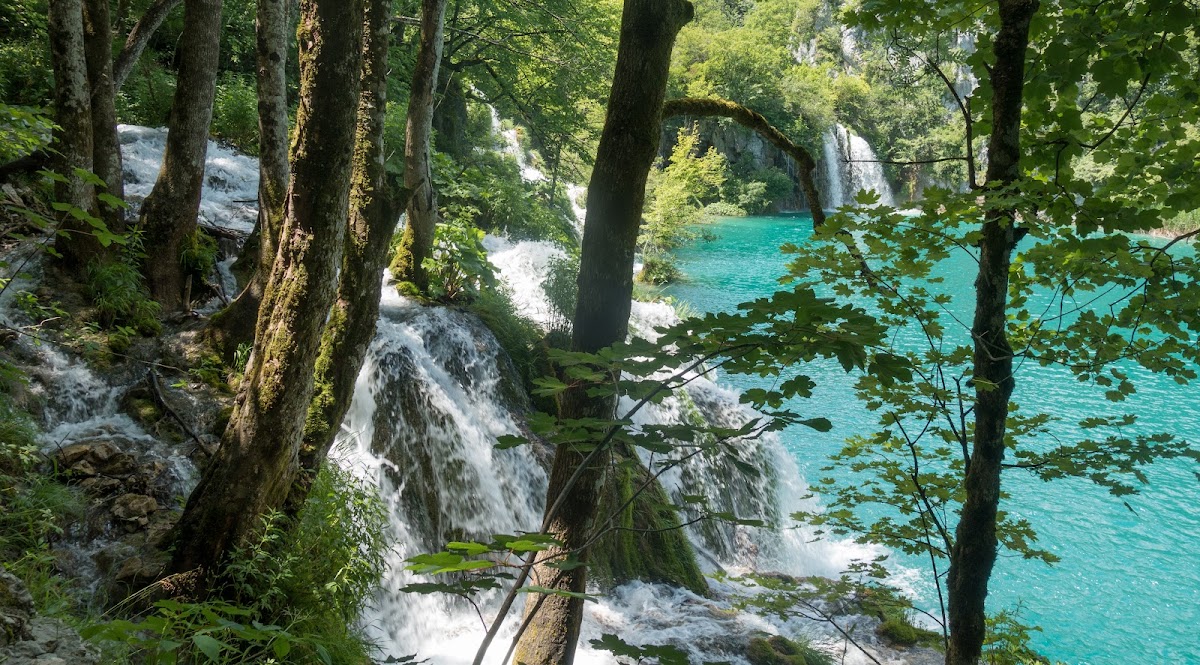
Milanovac Lake to Gavanovac Lake — The cascading connections between the Lower Lakes offer numerous waterfall compositions. The boardwalk here provides eye-level perspectives of water flowing over travertine.
Lake Kozjak Overlook — The viewpoint above the largest lake offers panoramic shots. Best in autumn when the surrounding forest is in full color.
Sastavci — Where the Lower Lakes merge and cascade down toward Veliki Slap. One of the most photographed viewpoints in the entire park.
Photography Tips for Every Season
Equipment essentials:
- Polarizing filter — essential for cutting reflections on water and boosting colors. This single accessory will improve your Plitvice photos more than any other piece of gear.
- Neutral density filter — for smoothing waterfalls with longer exposures
- Sturdy tripod — necessary for long exposures and stable compositions
- Rain cover for camera — Plitvice is wet year-round
- Microfiber cloth — spray from waterfalls coats lenses constantly
- Extra batteries in winter — cold drains batteries fast, keep spares warm in your pocket
Timing tips:
- Golden hour: The best light at Plitvice occurs in the first hour after sunrise and the last hour before sunset. In summer, this means shooting before 7:00 AM or after 7:00 PM. In winter, the low sun angle actually makes midday light more workable.
- The dead zone: Between 10:00 AM and 4:00 PM in spring/summer, overhead sun creates harsh shadows and blown-out highlights. Use this time for scouting or detail shots.
- Overcast days: Don't cancel your visit because of clouds. Overcast conditions produce soft, even light that's ideal for waterfall and forest photography. The turquoise water colors are actually more vivid under grey skies.
Composition tips:
- Use the boardwalks creatively — their lines lead the eye into the scene
- Include foreground elements (leaves, moss, branches) to create depth
- Shoot both wide establishing shots and intimate details
- Visit the same spot at different times of day for varied light
- The Lower Lakes canyon walls make natural frames for waterfall shots
Golden Hour Times by Season
| Season | Sunrise (approx.) | Sunset (approx.) | Best Morning Window | Best Evening Window |
|---|---|---|---|---|
| Winter (Dec-Feb) | 7:15-7:45 AM | 4:00-5:00 PM | 7:30-9:00 AM | 3:00-4:30 PM |
| Spring (Apr-May) | 5:30-6:30 AM | 7:30-8:30 PM | 6:00-7:30 AM | 7:00-8:30 PM |
| Summer (Jun-Aug) | 5:00-5:30 AM | 8:30-9:00 PM | 5:30-7:00 AM | 7:30-8:30 PM |
| Autumn (Sep-Oct) | 6:00-7:00 AM | 5:30-7:00 PM | 6:30-8:00 AM | 5:00-6:30 PM |
Which Month Is Right for You? (Decision Framework)
Not sure when to go? Find your traveler type below.
Budget Travelers — January, February, or March
Why: Entry is just €10 per adult (vs €40 in summer), accommodation is at its cheapest, and flights to Croatia are at their lowest fares. A couple can visit Plitvice for under €30 total in entry fees and parking — the same visit in August would cost €87. The trade-off: limited trails and cold weather. But the frozen waterfalls and empty park are rewards in themselves.
Budget estimate for two: €10 per person entry + €7 parking = €27 total park cost
Photographers — Mid-October (primary) or January-February (secondary)
Why: Mid-October delivers the ultimate combination — autumn foliage, turquoise water, morning mist, soft light, and manageable crowds. Every composition sings with color and atmosphere. For a completely different but equally rewarding experience, winter's frozen waterfalls are extraordinarily photogenic.
Tip: Allow 2-3 days if possible. One for the Lower Lakes, one for the Upper Lakes, and one as a weather backup. Arrive at dawn each day.
Families with Young Children — Late May or Early September
Why: The weather is warm but not oppressive (18-22°C), crowds are present but not overwhelming, all trails are open, and the shorter hiking programs (A and B) are perfect for young legs. Late May is slightly better for waterfall drama; early September offers warmer water temperatures at nearby swimming spots.
Tip: Start at Entrance 2, take the panoramic train, then explore the Upper Lakes at a leisurely pace. Kids love the electric boat crossing.
Couples and Romance — May or Early October
Why: May offers peak waterfalls, wildflowers, and warm evenings — the most romantically beautiful version of the park. October's autumn colors and quiet trails create an intimate atmosphere. Both months balance beauty with manageable crowd levels and moderate prices (€23).
Tip: Book accommodation in a guesthouse with lake or forest views in the villages of Rastovaca or Seliste Dreznicko for maximum atmosphere.
Adventure Seekers — January-February (winter) or April (spring)
Why: Winter transforms Plitvice into an adventure landscape — frozen waterfalls, snow-covered paths, and the exhilaration of having a UNESCO World Heritage Site almost to yourself. April offers rushing waterfalls, unpredictable weather, and the full range of hiking routes (including the demanding Program K at 18km).
Tip: In winter, bring microspikes or crampons for icy boardwalks. In April, be prepared for rapid weather changes and muddy sections.
Crowd Avoiders — November or Late March
Why: These shoulder months between seasons offer rock-bottom €10 entry with virtually no other visitors. November has a haunting, misty beauty; late March catches the first hints of spring. If you genuinely want to experience solitary silence in one of Europe's most visited parks, these are your months.
Tip: Visit midweek for maximum solitude. You may encounter single-digit visitor counts on a November Tuesday.
Hikers and Trail Enthusiasts — May, September, or October
Why: All hiking programs are available, temperatures are ideal for sustained walking, and crowd levels allow comfortable movement on the boardwalks. May and September offer the best combination of trail access, weather, and moderate crowds. October adds spectacular scenery but with shorter daylight hours.
Tip: For the full park experience, plan Program K (18km, 6-8 hours). Start early from Entrance 1, take the boat across Kozjak, explore the Upper Lakes, and loop back via the panoramic train.
What to Pack by Season
Spring (April-May) Packing List
- Waterproof jacket — essential, not optional. Spring rain is frequent.
- Layering system — base layer + fleece + waterproof shell. Mornings can be 8°C while afternoons reach 20°C.
- Waterproof hiking boots — the boardwalks are wet and can be slippery. Good ankle support is important.
- Compact umbrella — useful for sudden showers when you don't want your jacket.
- Sunscreen and sunglasses — May sun is strong.
- Reusable water bottle — fill at the park's drinking fountains.
- Camera rain cover — protect your gear from spray and showers.
- Polarizing filter — for cutting water reflections in photography.
- Small backpack — for carrying layers, water, snacks, and camera gear.
Summer (June-August) Packing List
- Light, breathable clothing — moisture-wicking fabrics are ideal.
- Sun hat and sunscreen (SPF 50) — exposed sections of boardwalk have no shade.
- Sturdy walking shoes or sandals with grip — sandals are acceptable in summer but hiking boots are always safer on wet boardwalks.
- Minimum 1.5 liters of water per person — dehydration is common on longer routes in summer heat.
- Insect repellent — mosquitoes can be active near the lakes in summer evenings.
- Quick-dry towel — if you plan to swim in the Korana River afterward.
- Light rain jacket — afternoon thunderstorms are possible even in July.
- Portable fan or cooling towel — for the midday heat on exposed sections.
- Snacks — food options inside the park are limited and overpriced.
Autumn (September-October) Packing List
- Waterproof jacket and trousers — October rain is persistent and can last all day.
- Warm fleece or mid-layer — mornings can be cold (5-10°C in October).
- Waterproof hiking boots — essential. The park is wet and fallen leaves make boardwalks slippery.
- Warm hat and gloves — for early morning October photography sessions.
- Hand warmers — for photographers who'll be standing still in cool morning air.
- Tripod — for long exposures of waterfalls and reflections.
- Lens cloth — waterfall spray is constant and coats lenses quickly.
- Compact umbrella — for when rain is too persistent for just a jacket.
Winter (November-March) Packing List
- Serious winter jacket — temperatures can drop well below -5°C.
- Thermal base layers — wool or synthetic, not cotton. Cotton kills warmth when wet.
- Waterproof, insulated hiking boots — the single most important item. Cold, wet feet will ruin your visit.
- Microspikes or crampons — for icy boardwalks and paths. The park sometimes sells these at entrances but it's cheaper and safer to bring your own.
- Warm hat, scarf, and insulated gloves — exposed skin gets cold fast at sub-zero temperatures.
- Foam sit mat — local expert tip. Benches along the trail are cold and often wet or snowy. A small foam mat makes rest stops far more comfortable.
- Thermos with hot drink — there's no hot beverage service along most trails in winter.
- Hand and toe warmers — inexpensive and invaluable for photographers and cold-sensitive visitors.
- Camera with cold-weather battery management — batteries drain quickly below 0°C. Keep spares warm in an inner pocket and rotate them.
Events and Festivals Calendar
While Plitvice itself is a nature destination rather than a cultural one, several events throughout the year add special appeal to a visit:
Annual Events at Plitvice
Valentine's at Plitvice (Late January / Early February) The park occasionally runs a Valentine's-themed promotional period with special pricing and themed activities. Combined with €10 winter admission and romantic snow-covered scenery, this is an underrated couples' destination. Check the official park website for current year details.
Spring Opening Events (April) The transition from Season A to Season B often coincides with special programs — ranger-led walks, educational activities, and the reopening of the Upper Lakes trails. The park sometimes celebrates with guided interpretive walks highlighting the park's ecology and the travertine formation process.
Autumn Promotional Week (October) Plitvice has historically offered a special autumn promotional week in October with discounted entry, timed to coincide with peak foliage. Exact dates and discounts vary by year — monitor the park's official website and social media for announcements. This can make an already affordable October visit even cheaper.
Plitvice Marathon (December 31) The annual road running event through and around the park. Runners compete on December 31, finishing the year in one of Europe's most beautiful landscapes. Categories include full marathon, half marathon, and shorter distances. The race passes through snow-dusted roads near the park, often with frozen waterfalls as a backdrop. Registration typically opens several months in advance.
Regional Events Worth Combining
Lika Region Cultural Festivals (Various Dates) The Lika region surrounding Plitvice has traditional festivals celebrating local food, music, and customs throughout the year. The autumn cheese and lamb festivals in nearby villages are particularly worthwhile for food lovers. Lika lamb (janjetina) is considered some of the finest in Croatia.
Rastoke Watermills Festival (Summer) The village of Rastoke in Slunj — just 30 minutes from Plitvice — hosts events celebrating its historic watermills where the Slunjcica River meets the Korana. Known as "Little Plitvice," it's a beautiful addition to any Plitvice trip.
Zagreb Christmas Markets (November-January) While not at Plitvice, Zagreb's award-winning Christmas markets (voted best in Europe multiple times) are just two hours away. Combine a winter Plitvice visit with a few days in Zagreb for a fantastic December trip to Croatia.
Zadar Events If approaching from the coast (Zadar is ~130km), consider combining with Zadar's Night of the Full Moon (July), the Sea Organ, or various summer cultural programs.
Pro Tips for Visiting Plitvice Lakes
These tips come from frequent visitors and local knowledge — the details that transform a good visit into a great one.
Before You Go
1. Buy tickets online. Especially June-September, the daily cap of 12,000 visitors means entry isn't guaranteed. Online tickets guarantee your spot and time slot. Off-season, you can comfortably buy at the gate.
2. Stay overnight nearby. Day-tripping from Dubrovnik, Split, or even Zagreb means arriving mid-morning and leaving mid-afternoon — the worst possible timing for crowds and light. Staying in Rastovaca, Seliste Dreznicko, Jezerce, or Korana Village puts you at the gate at opening time.
3. Allow more time than you think. Most visitors underestimate Plitvice. The short programs take 2-3 hours, but most people wish they'd booked 4-6 hours. The full park experience (Program H or K) takes 6-8 hours. Plan your day accordingly.
4. Check the weather forecast — then come anyway. Unless there's a genuine safety warning, rain makes Plitvice more beautiful, not less. Waterfalls are more powerful, mist creates atmosphere, and crowds thin dramatically. Some of the park's most spectacular photos have been taken in rain.
5. Download the park map offline. Cell reception is spotty inside the park, especially around the Upper Lakes. Download the official park map or take a photo of the trail map at the entrance.
During Your Visit
6. Start at Entrance 2 for fewer crowds. Entrance 1 (Lower Lakes) is the default for most tours and day-trippers. Entrance 2 (Upper Lakes) is typically less busy. Starting at 2 and working down to 1 means you're moving against the main crowd flow.
7. Don't skip the Upper Lakes. Many short-visit tourists only see the Lower Lakes and Veliki Slap. The Upper Lakes are wider, quieter, and arguably more beautiful — especially the cascading connections between Galovac, Milino Jezero, and Gradinsko Jezero.
8. Bring your own food and water. Restaurant options inside the park are limited to a few basic cafeterias with standard tourist fare. The food is fine but overpriced. Pack sandwiches, fruit, and snacks for a lakeside picnic instead. Water fountains are available at the entrance areas.
9. Wear proper footwear. This is not optional. The wooden boardwalks are constantly wet from spray and can be extremely slippery. Hiking boots or shoes with good grip are essential year-round. Flip-flops and smooth-soled shoes are genuinely dangerous on the wet wooden surfaces.
10. Protect the travertine. Plitvice's magic comes from travertine — porous limestone deposited by water over centuries through a biological process involving moss, algae, and bacteria. It takes centuries to form but seconds to damage. Stay on marked paths, never touch or step on travertine formations, and never throw anything into the water.
11. Swimming is strictly prohibited. Despite the crystal-clear, inviting turquoise water, swimming, wading, and any water contact is completely forbidden. This protects the fragile travertine ecosystem. Fines are enforced by park rangers. For swimming, visit the Korana River downstream of the park.
Getting the Most Value
12. The after-4PM summer ticket is an insider move. At €25 instead of €40, you get 3-4 hours of the best light, smallest crowds, and most comfortable temperatures. It's arguably the best-value way to experience Plitvice in summer.
13. Visit on consecutive days. If budget allows, two half-day visits beat one full day. Day one: Lower Lakes and Veliki Slap (afternoon/evening). Day two: Upper Lakes (early morning). You'll see the park in different light and avoid fatigue.
14. Combine with other Lika Region attractions. The Barac Caves (20 minutes away), Rastoke watermills in Slunj (30 minutes), and the Korana River swimming spots make excellent additions to a Plitvice trip without the park's entry fees.
15. Time the boat crossing strategically. The electric boat across Lake Kozjak is a highlight, but queues in summer can reach 30-45 minutes. If you start at Entrance 2 and reach the boat crossing by mid-morning, queues are typically shorter for the southbound crossing.
Frequently Asked Questions
What is the best month to visit Plitvice Lakes?
May is widely considered the best overall month. Waterfalls are at peak flow from snowmelt, temperatures are ideal for hiking (15-22°C), the forest is lush and green, all trails are open, and ticket prices are at the mid-range (€23 vs summer's €40). September is an equally excellent choice with warmer temperatures, fewer crowds, and the beginning of autumn colors. For photography specifically, mid-October is unbeatable.
Is Plitvice Lakes worth visiting in winter?
Absolutely. Winter at Plitvice is a completely different experience — frozen waterfalls, snow-covered landscapes, and near-total solitude. Entry is just €10 (vs €40 in summer), making it arguably Europe's best-value UNESCO World Heritage Site. The trade-off is that the Upper Lakes section and wooden boardwalks close, leaving only the Lower Lakes canyon trail, boat, and train. You'll need proper winter gear, and daylight hours are short, but the beauty is extraordinary.
How crowded is Plitvice Lakes in summer?
Very crowded. July and August see 8,000-12,000 daily visitors (the park enforces a 12,000 daily cap since 2019). Boardwalks become congested, boat queues reach 30-45 minutes, and popular viewpoints feel crowded. The best mitigation strategies: arrive before 8:00 AM, start at Entrance 2, use the after-4PM discounted entry, and visit midweek rather than weekends.
Are Plitvice Lakes open year-round?
Yes. Plitvice Lakes National Park is open 365 days a year. However, operating hours vary significantly: summer hours are typically 7:00 AM to 8:00 PM (last entry 5:00 PM), while winter hours are 8:00 AM to 4:00 PM (last entry 2:00 PM). In winter, the Upper Lakes boardwalks close when icy, but the Lower Lakes, boat, and train continue to operate.
How much does it cost to visit Plitvice Lakes?
Ticket prices follow a three-tier seasonal system. Season A (January-March, November-December): €10 adult. Season B (April-May, October): €23 adult. Season C (June-September): €40 adult, with a discounted after-4PM rate of €25. Children under 7 enter free. All tickets include the electric boat and panoramic train. Parking is €7 per car.
Can you swim in Plitvice Lakes?
No. Swimming, wading, and any contact with the water is strictly prohibited in Plitvice Lakes National Park. This rule protects the fragile travertine ecosystem that creates the park's famous cascades and terraces. Fines are enforced by park rangers. For swimming, the Korana River downstream of the park (particularly near Slunj) and the Mreznica River nearby offer excellent natural swimming spots.
How long do you need at Plitvice Lakes?
Plan a minimum of 4-6 hours for a satisfying visit covering either the Lower Lakes or Upper Lakes plus the boat crossing. To see the entire park (Lower Lakes, Upper Lakes, and all major viewpoints), allow 6-8 hours. The ideal visit is 2 days: one for the Lower Lakes and one for the Upper Lakes. Most visitors who only allocate 2-3 hours wish they'd planned more time.
What should I wear to Plitvice Lakes?
The most critical item year-round is waterproof footwear with good grip. The wooden boardwalks are perpetually wet from spray and rain, and slips are the most common visitor injury. In summer, bring light layers, sun protection, and 1.5+ liters of water. In winter, you need full cold-weather gear: thermal layers, insulated jacket, warm hat, gloves, and consider microspikes for icy boardwalks. A waterproof jacket is advisable in every season.
What is the best entrance to use at Plitvice?
Entrance 2 is generally recommended for a better experience. It starts at the Upper Lakes (which are less crowded), and you can work your way down to the Lower Lakes, finishing at the dramatic Veliki Slap (Great Waterfall). Most tour groups start at Entrance 1, so Entrance 2 puts you ahead of the crowds. The panoramic train connects both entrances, so you can always return to your starting point.
Do I need to book Plitvice tickets in advance?
In summer (June-September), yes — strongly recommended. The park's daily cap of 12,000 visitors means entry isn't guaranteed on peak days. Online booking secures your time slot and avoids entrance queues. In shoulder season (April-May, October), advance booking is recommended for weekends. In winter (November-March), you can comfortably buy tickets at the gate — the park is never close to capacity.
What is the rainiest month at Plitvice Lakes?
November is the rainiest month at 155mm of precipitation. However, rain at Plitvice isn't necessarily bad — it feeds the waterfalls and creates atmospheric mist for photography. The driest months are July and August at 96-97mm. A waterproof jacket is recommended year-round.
Can I visit Plitvice Lakes as a day trip?
Yes. Plitvice is a popular day trip from several Croatian cities: approximately 2 hours from Zagreb, 2.5 hours from Zadar, and 3.5-4 hours from Split. Many visitors incorporate Plitvice into a road trip along Croatia's coast. However, staying overnight nearby allows you to arrive at opening time (the best strategy for all seasons) and gives you a far better experience than a rushed mid-day visit.
Final Thoughts: When to Visit Plitvice Lakes
Plitvice Lakes is stunning in every season — that's not a platitude, it's simply true. The park's sixteen terraced lakes, ninety-plus waterfalls, and three hundred square kilometers of forest create a landscape that transforms with the calendar while remaining fundamentally magnificent.
If you're still undecided, here's the simplest framework:
- Want the complete experience with the best balance? Visit in May.
- Want the most dramatic autumn colors? Visit in mid-October.
- Want the best value and fewest crowds? Visit in January-March.
- Want a summer trip that works? Book the after-4PM entry in late June or September.
Whatever month you choose, Plitvice Lakes will reward your visit. Just come prepared, respect this extraordinary natural wonder, and give yourself enough time to do it justice.
Last updated: February 2026. Ticket prices and park schedules are subject to change. Always verify current information at the official Plitvice Lakes National Park website (np-plitvicka-jezera.hr) before your visit.