Plitvice Lakes FAQ: 24 Most Common Questions Answered (2026)
Planning a trip to Plitvice Lakes National Park? You're not alone — Croatia's most visited natural attraction draws roughly 1.5 million visitors every year, and nearly all of them have the same questions before they go. Can you swim? Are dogs allowed? Do you need to book ahead? How long does it actually take to walk around?
We've compiled the 24 most frequently asked questions about Plitvice Lakes and answered every one with up-to-date, verified information for 2026. Whether you're sorting out logistics, checking park rules, or deciding if the trip is worth it, this guide has you covered.
Table of Contents
Planning & Timing
Is Plitvice Lakes worth visiting?
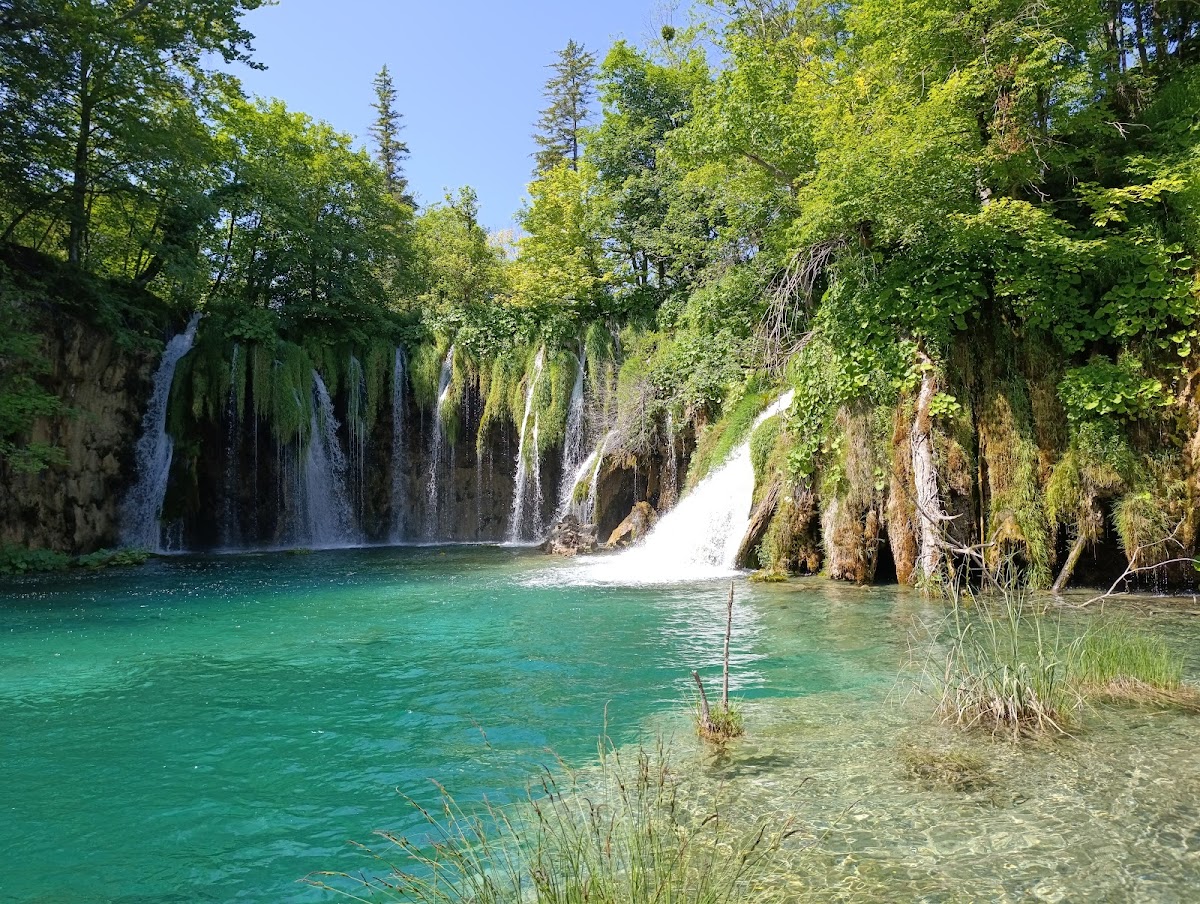
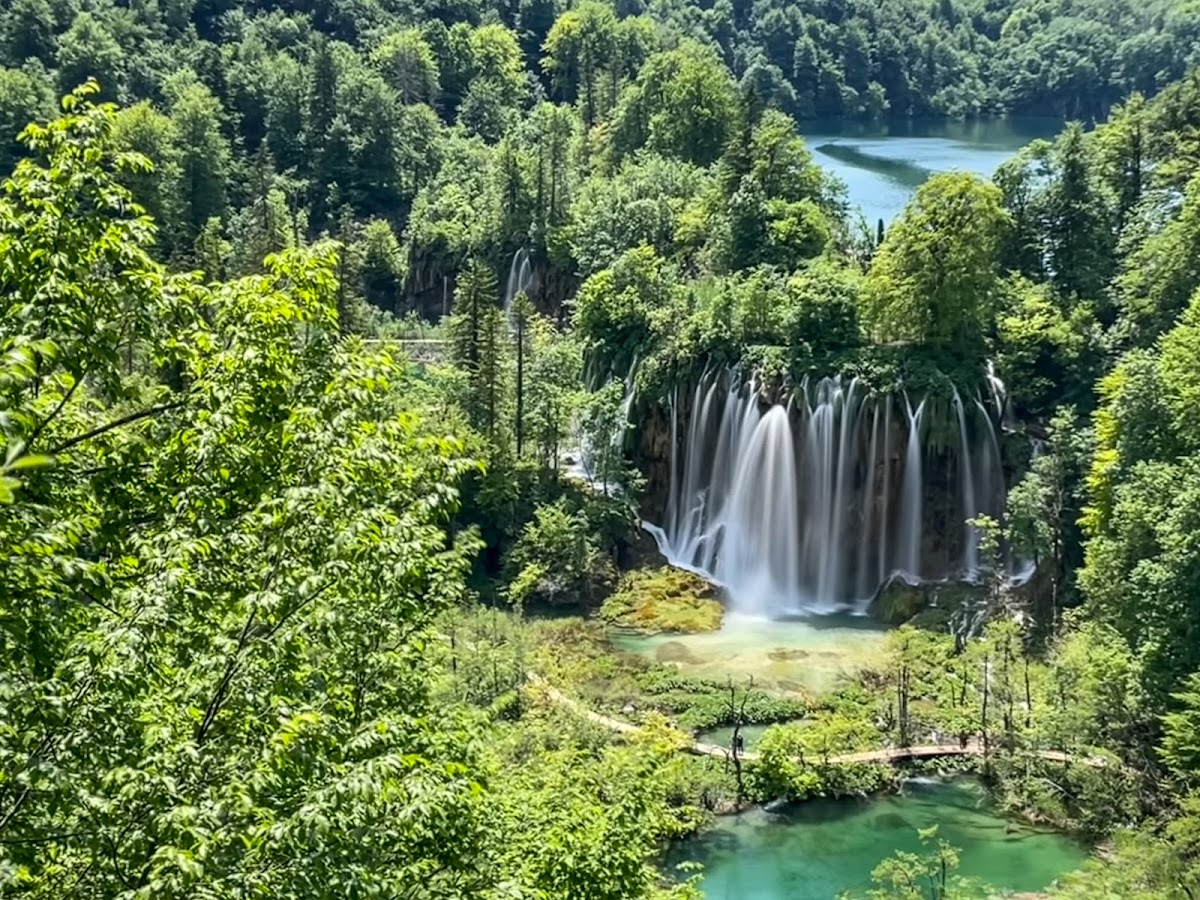
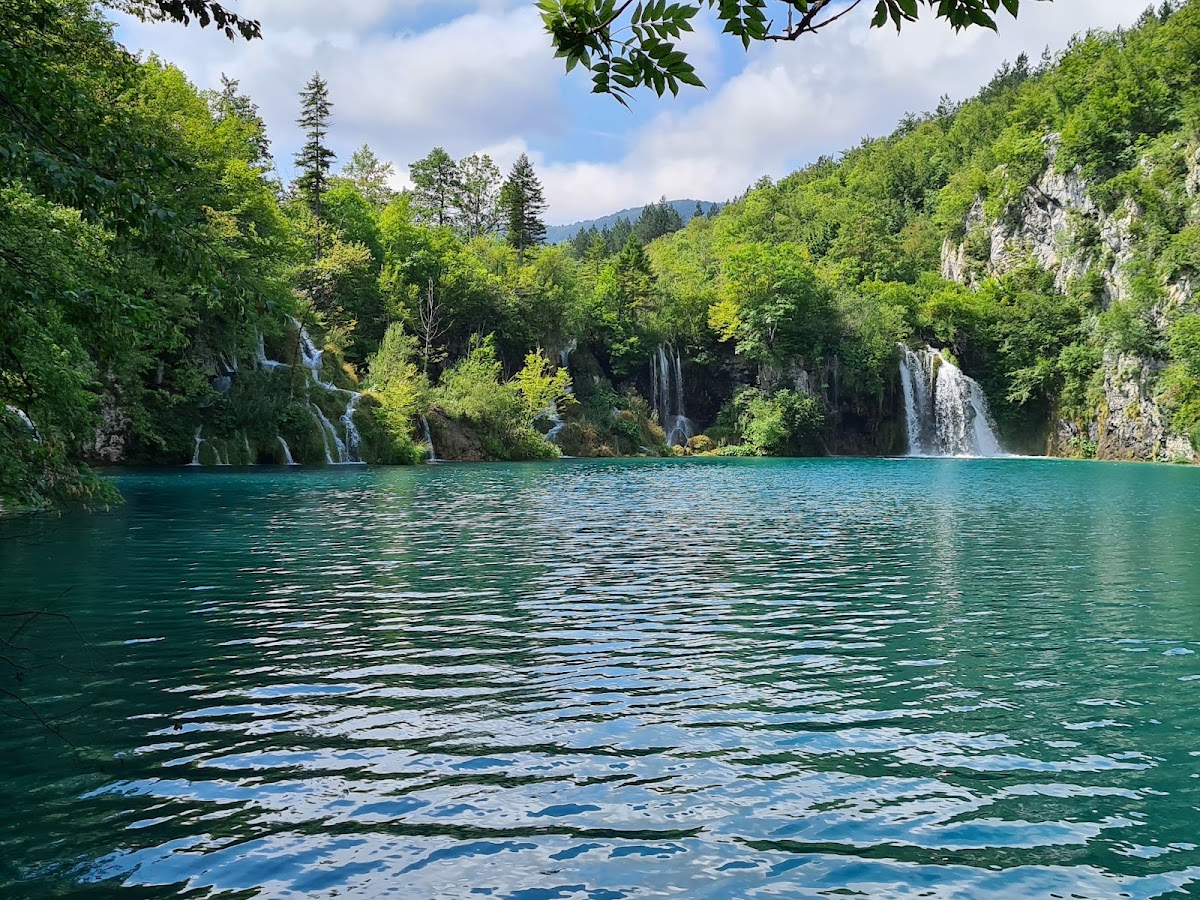
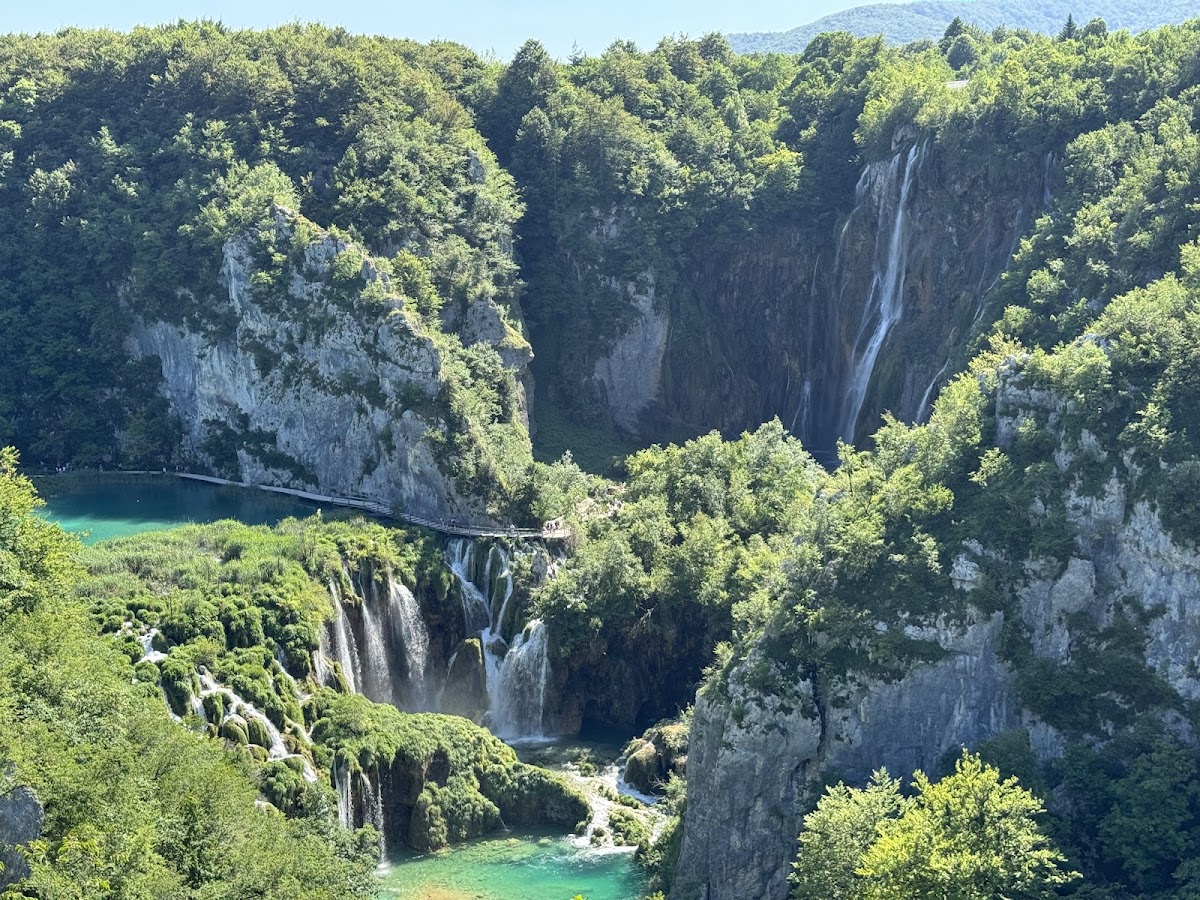
Absolutely yes. Plitvice Lakes National Park is Croatia's number one natural attraction and a UNESCO World Heritage Site since 1979. Sixteen terraced lakes cascade into one another through a network of over 90 waterfalls, all nestled within 296 square kilometers of ancient beech and fir forest. The turquoise and emerald colors of the water are completely natural — the result of dissolved minerals and travertine deposits — and change throughout the day as sunlight shifts.

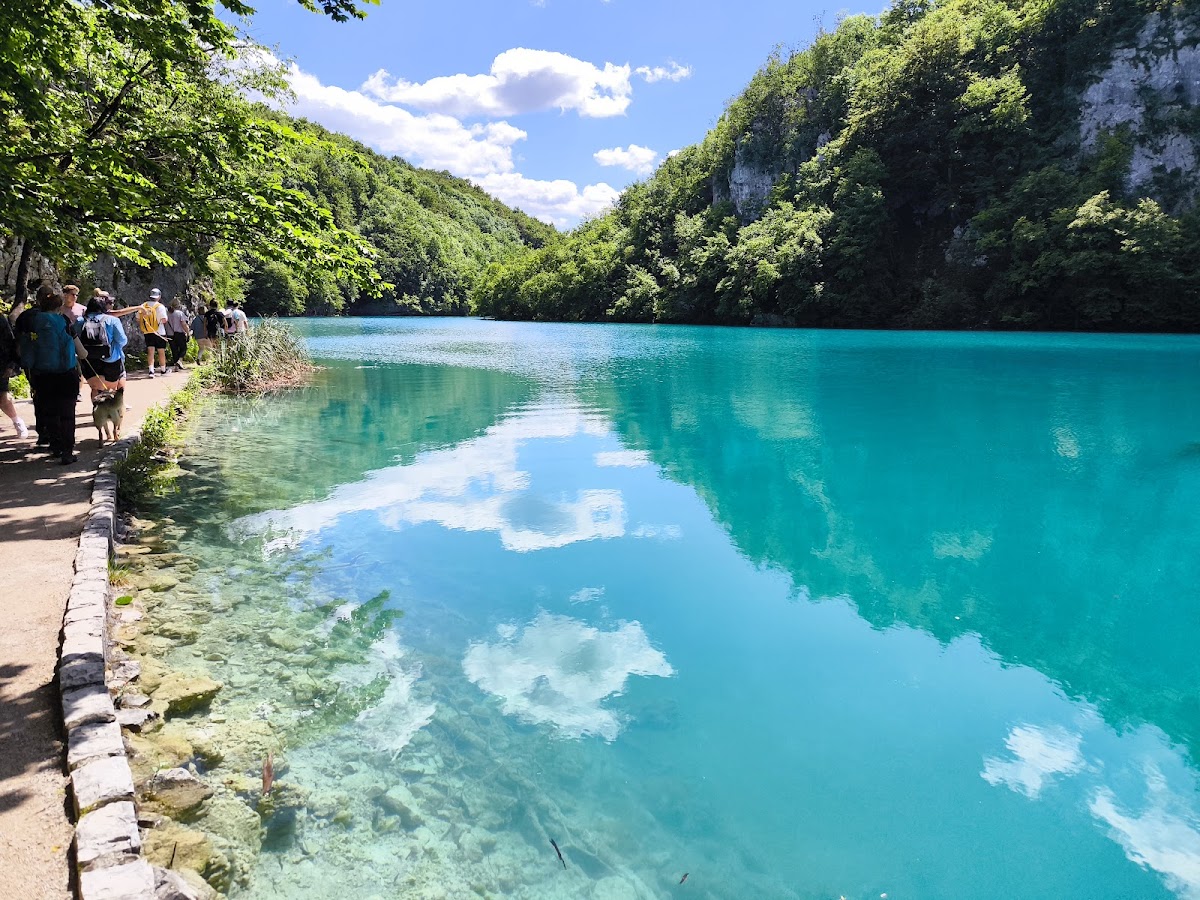
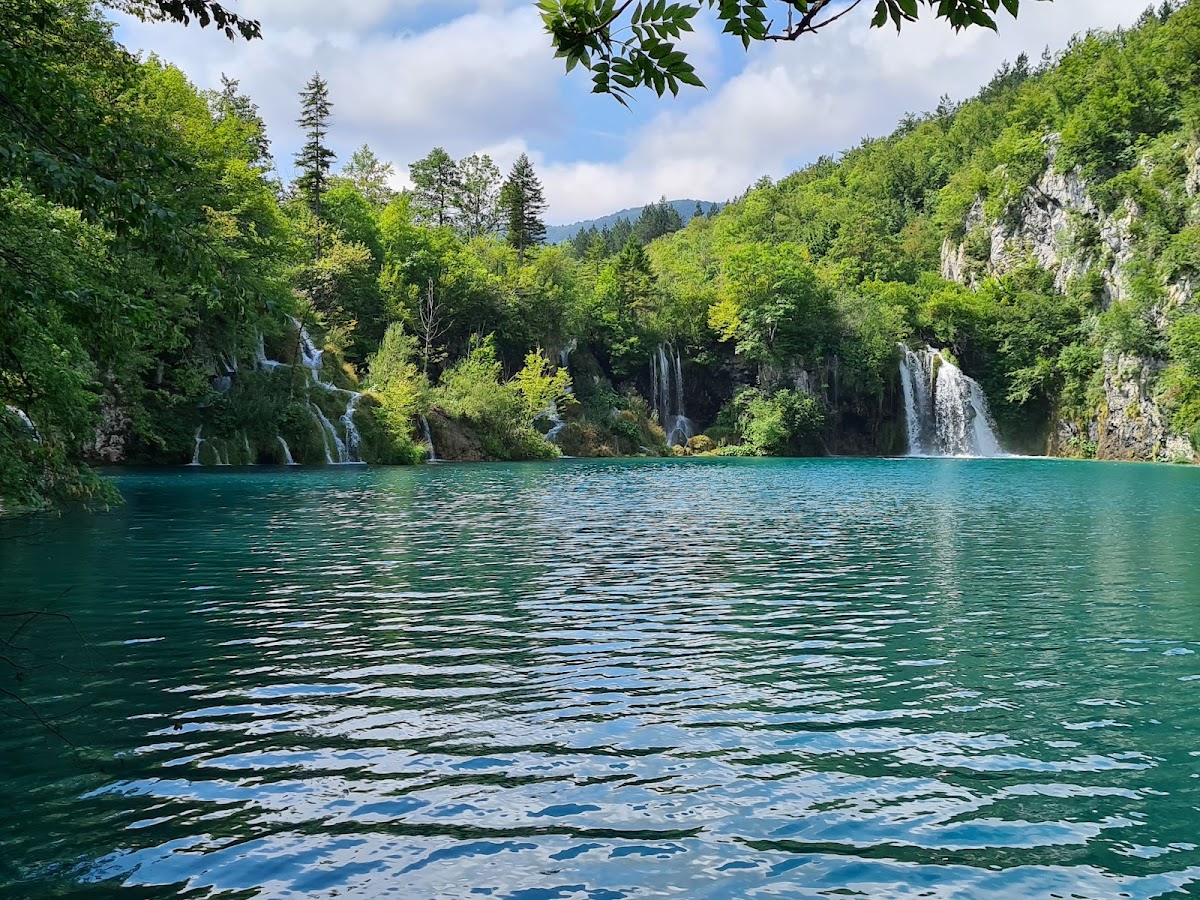
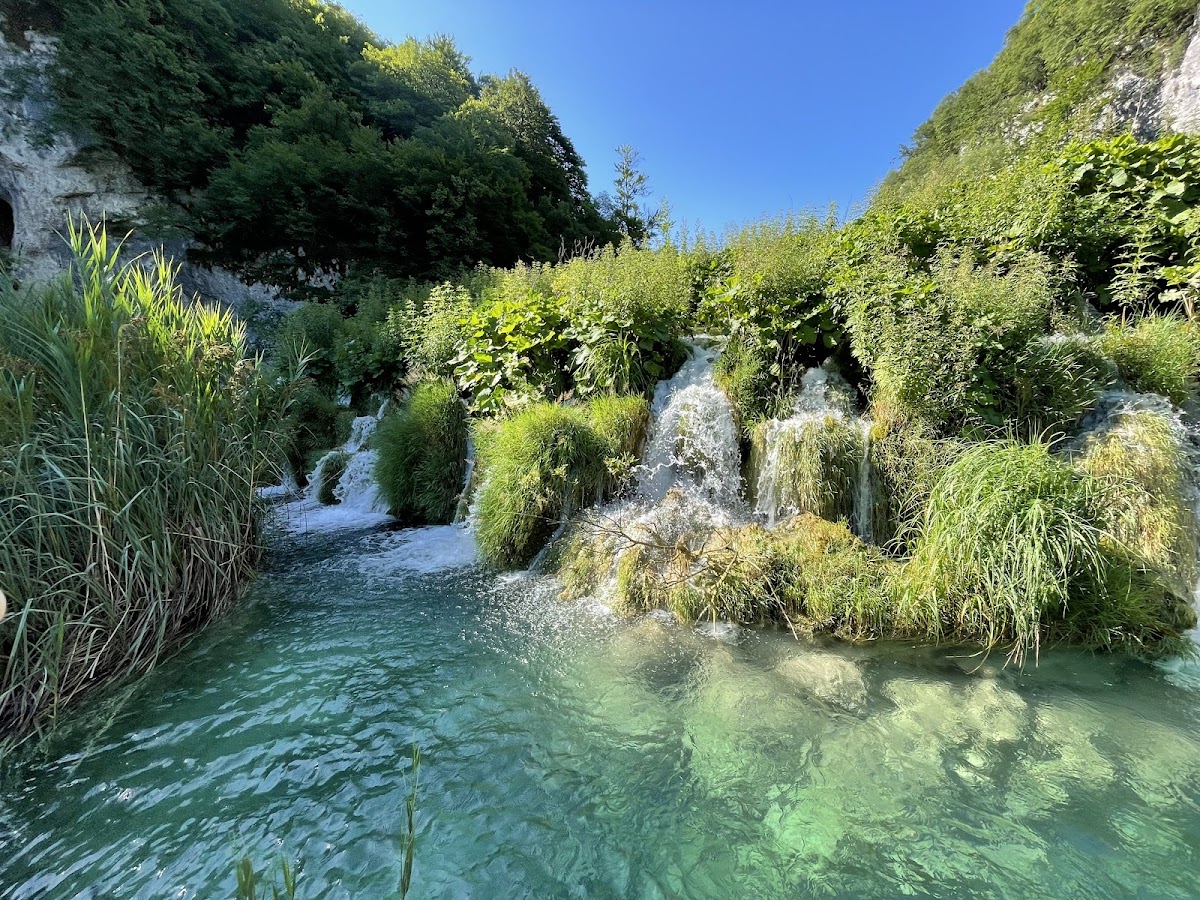
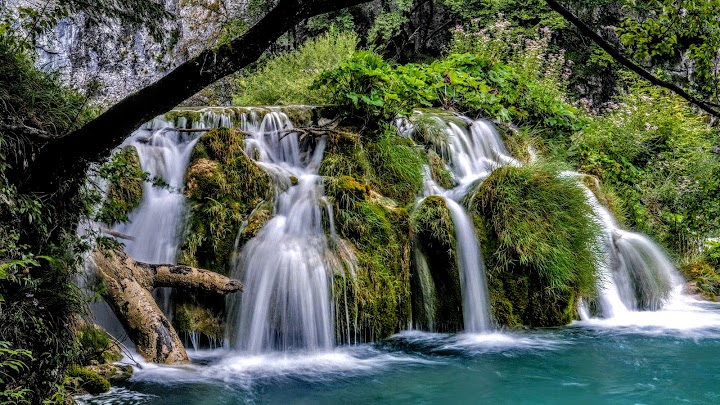
What sets Plitvice apart from other European national parks is its living geology. The travertine barriers separating the lakes are actively growing, reshaped year after year by moss, algae, and calcium carbonate deposits. The park you see today is measurably different from what visitors saw a decade ago. Whether you're a nature lover, a photographer, or simply looking for a jaw-dropping day out in Croatia, Plitvice delivers. Most visitors rank it among the top highlights of their entire Croatia trip. For the full planning breakdown, see our Complete Plitvice Lakes Travel Guide.
How many days should I spend at Plitvice Lakes?
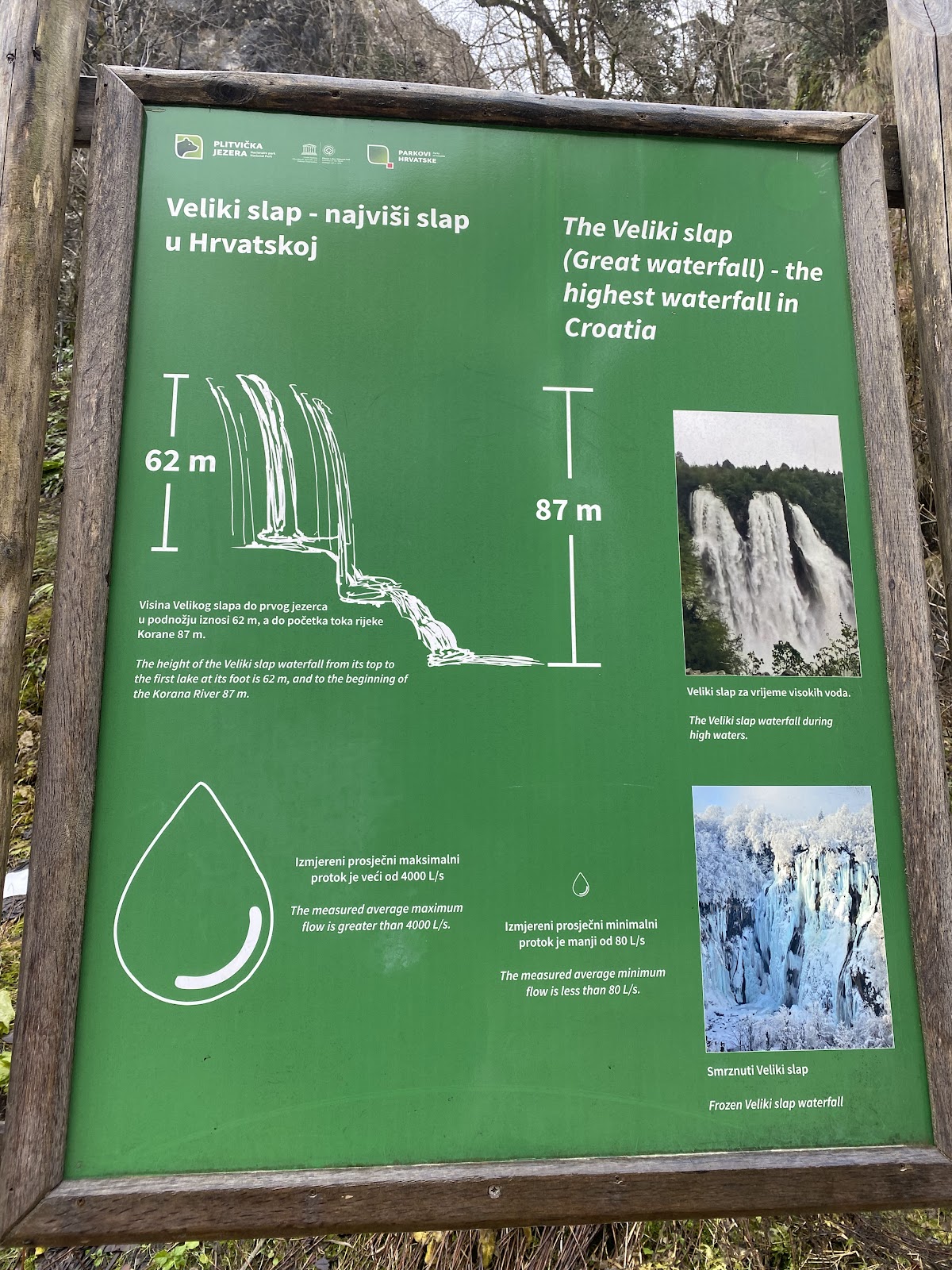
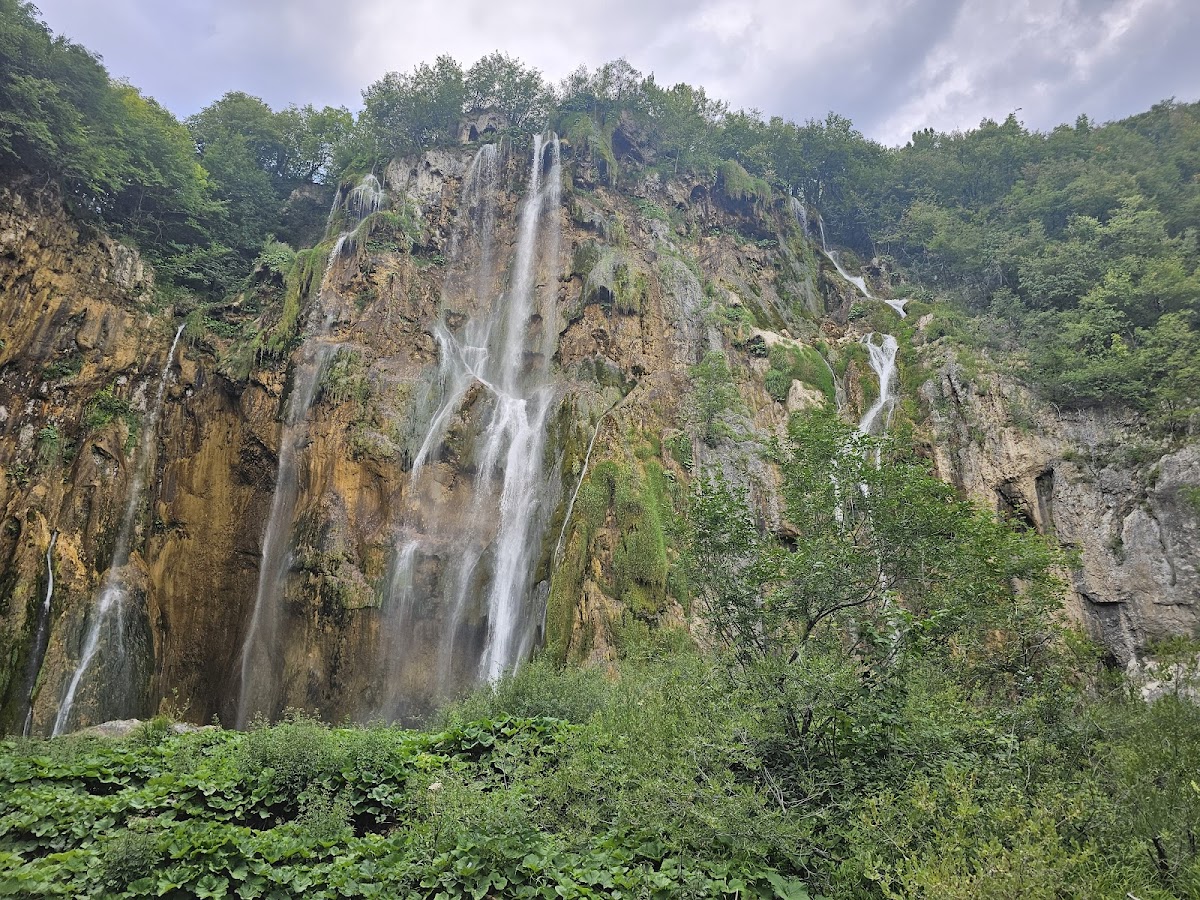
One full day is enough for most visitors, but two days allows you to explore at a relaxed pace and cover both the Upper and Lower Lakes thoroughly. The park offers eight official routes ranging from 2 to 8 hours, so a single well-planned day lets you see the major highlights including the iconic Great Waterfall (Veliki Slap), the Lower Lakes boardwalks, and a scenic electric boat crossing of Lake Kozjak.
If you have two days, you can dedicate one to the Lower Lakes (entered from Entrance 1) and another to the Upper Lakes (entered from Entrance 2), which are generally quieter and feel more wild. Two-day tickets are available at a discount. That said, if you're on a tight schedule and arrive early, a single day on Route C or H will give you a comprehensive experience. For detailed route breakdowns, check our Complete Plitvice Lakes Travel Guide.
What is the best time to visit Plitvice Lakes?
May and September offer the best balance of pleasant weather, strong waterfalls, manageable crowds, and mid-range ticket prices. Spring (April–May) brings snowmelt-powered waterfalls at their most spectacular, lush green forests, and wildflowers — all before the summer crowds arrive. September offers warm temperatures, the beginnings of autumn color, and gradually thinning visitor numbers after the August peak.
Summer (June–August) has the longest days and warmest weather but also the biggest crowds and highest ticket prices (€40 for adults). Winter (December–March) is the quietest season with €10 tickets and a magical snow-and-ice landscape, though some sections close and daylight hours are limited. Each season has its appeal — the "best" time truly depends on whether you prioritize weather, budget, photography conditions, or solitude. For a detailed month-by-month comparison, read our Best Time to Visit Plitvice Lakes guide.
When does Plitvice Lakes open and close?
Plitvice Lakes is open year-round, with seasonal variations in hours. In peak summer (June–August), the park opens at 7:00 AM and closes between 7:00 and 8:00 PM. During spring and autumn, opening time shifts to 8:00 AM with closing around 6:00 PM. In winter (November–March), hours are typically 8:00 AM to 4:00 PM, though this can vary with weather and daylight.
The last entry is generally allowed two hours before closing time. During winter, the Upper Lakes may be closed entirely depending on weather and trail conditions, while the Lower Lakes remain accessible. The panoramic train and electric boat also operate on reduced schedules outside peak season. Always check the official park website for current hours on your planned visit date, as conditions can change with weather.
Is Plitvice Lakes crowded?
It depends when you go. July and August are the most crowded months, when the park can reach its daily visitor cap and boardwalks become congested, particularly around the Lower Lakes and Great Waterfall. On peak summer days, you may spend significant time waiting for the electric boat or shuffling along narrow boardwalks behind tour groups.
To avoid the worst crowds: visit in May, early June, September, or October. Arrive when gates open (7:00 AM in summer, 8:00 AM in shoulder season). Enter from Entrance 2 instead of Entrance 1, as most tour buses drop off at Entrance 1. Choose longer routes (Route H or K) that spread visitors out. Weekdays are noticeably quieter than weekends. Winter visits offer near-solitude — some days you'll share entire trail sections with only a handful of people.
Rules & Regulations
Can you swim in Plitvice Lakes?
No, swimming is strictly prohibited in all lakes, rivers, and waterfalls within Plitvice Lakes National Park. This ban has been in place since 2006 and is strictly enforced. The reason is environmental protection — Plitvice is a UNESCO World Heritage Site, and the delicate travertine formations that create the lakes' terraced structure are formed by living organisms (moss, algae, and bacteria depositing calcium carbonate). Human contact with the water disrupts this fragile biological process and can damage formations that took centuries to develop.
Swimming, diving, wading, and even touching the water from the boardwalks is forbidden. Fines can be issued for violations. If you're craving a swim during your Croatia trip, the nearby Korana River (just outside the park boundary) has popular swimming spots with similarly beautiful clear water. The Mreznica River and the village of Rastoke near Slunj are also excellent alternatives within a short drive. Krka National Park near Šibenik historically allowed swimming in designated areas, though restrictions have tightened in recent years.
Are dogs allowed in Plitvice Lakes?
Yes, dogs are allowed in Plitvice Lakes National Park at no additional charge. Your dog must be kept on a leash at all times — this is strictly enforced to protect wildlife and other visitors. Dogs are also permitted on the park's panoramic shuttle buses and the electric boats that cross Lake Kozjak, making it possible to complete the full park routes with your pet.
However, dogs are not allowed to enter the water at any point within the park (the same swimming ban applies). Bring water and a collapsible bowl, as there are no dedicated pet water stations. The boardwalk sections can get hot underfoot in summer, so early morning visits are best for dogs. Some narrow boardwalk sections can be challenging with larger dogs when the park is busy. Consider visiting during shoulder season (May or October) for a more comfortable experience with your pet.
Can you fly a drone at Plitvice Lakes?
No, recreational drone flying is strictly prohibited within Plitvice Lakes National Park. This applies to all unmanned aerial vehicles, regardless of size. The ban exists to protect wildlife (the park is home to bears, wolves, lynx, and over 160 bird species), maintain visitor tranquility, and preserve the park's status as a protected natural environment.
If caught flying a drone without authorization, you face confiscation of equipment and significant fines under Croatian national park regulations. For commercial filming purposes, it's possible to obtain a permit by submitting a formal request to the park administration at least 20 days in advance of the planned filming date. Details are available on the official park website under their filming protocol. For personal photography, you'll need to rely on ground-level shots — and honestly, the boardwalks and viewpoints offer spectacular perspectives that no drone angle can match.
Can you bring food into Plitvice Lakes?
Yes, you can bring your own food and drinks into Plitvice Lakes National Park. There's no restriction on carrying packed lunches, snacks, or water bottles. This is actually a smart move, as on-site dining options are limited and can be pricey during peak season. There are a few designated picnic areas and benches where you can sit and eat along the trails.
That said, you must take all rubbish with you when you leave — littering is strictly prohibited and fined. Don't feed any wildlife, and keep food stored securely to avoid attracting animals. The park does have several dining options: restaurants near both main entrances serve traditional Croatian dishes and hot meals, and smaller kiosks at popular junctions (like the Kozjak boat terminal) offer sandwiches, drinks, and snacks. Bringing water is highly recommended regardless, as the walking trails can be long and there are limited refill points inside the park.
Is smoking allowed in Plitvice Lakes?
Smoking is strongly discouraged and restricted within Plitvice Lakes National Park. While there is no blanket ban covering the entire 296 square kilometers, smoking is prohibited on the wooden boardwalks and near any park structures due to fire risk — much of the park's infrastructure is built from wood, and the surrounding forest is a protected ecosystem. Designated smoking areas exist near the restaurant facilities at the entrances.
If you do smoke, you must dispose of cigarette butts properly. Dropping them on trails, into the water, or anywhere in the park constitutes littering and is subject to fines. The park's conservation rules require visitors to minimize any environmental impact, and cigarette filters are among the most harmful forms of litter in natural settings. Given the narrow boardwalks and close proximity to other visitors, common courtesy also applies — most visitors appreciate a smoke-free experience while exploring the trails.
Practical Info
Is there luggage storage at Plitvice Lakes?
Yes, free luggage storage is available at Entrance 1, Entrance 2, and the Flora auxiliary entrance. This is particularly useful if you're visiting Plitvice as a day stop between Zagreb and Split (or vice versa) and traveling with bags. Simply visit the information desk at your entrance, and staff will provide you with a key to the storage area.
The storage facilities are covered sheds with shelving — not individual lockers. Your bags will be stored alongside other visitors' luggage, and while the shed is locked, anyone with a key from the info desk can access it. Bringing your own padlock to secure your bag to a shelf is highly recommended for peace of mind. Alternatively, Hotel Jezero (located within the park grounds near Entrance 2) offers paid luggage storage with 24/7 reception access. If you're arriving by bus, the bus stop is right next to Entrance 1, making the storage handoff seamless.
Are there ATMs at Plitvice Lakes?
Yes, ATMs are available near the park. You'll find an ATM at Entrance 1 in the vicinity of the parking area and bus station. There is also an ATM at Hotel Jezero, the park-adjacent hotel near Entrance 2. However, ATM availability can sometimes be unreliable in rural areas, so it's wise not to depend entirely on them.
The park entrance ticket offices accept both cash (Croatian Kuna was replaced by Euro in 2023) and credit/debit cards. Most restaurants and shops within the park also accept card payments. That said, carrying some cash (Euros) is a good idea for smaller purchases, tips, or in case of card terminal issues. If you're driving to Plitvice from Zagreb or Split, consider stopping at an ATM in a larger town along the way as a backup.
Is there WiFi at Plitvice Lakes?
WiFi inside the park trails is generally unavailable. Don't expect to stream or browse while walking the boardwalks — and honestly, that's part of the charm. The park's remote location in the Lika-Senj region means mobile data coverage can also be spotty, particularly around the Upper Lakes and wooded canyon areas.
WiFi is available at the park's nearby hotels (Hotel Jezero, Hotel Plitvice, Hotel Bellevue) and at restaurants near the main entrances. If you're staying at accommodation in the surrounding villages (Rastovača, Jezerce, Mukinje), most guesthouses and hotels offer WiFi. For your visit, download offline maps before arriving — Google Maps offline mode or apps like maps.me work well for navigating the area. Your entry ticket includes a park map, and the trails are well-signposted, so you won't need constant connectivity to find your way around.
What facilities are available at Plitvice Lakes?
The park is well-equipped with essential visitor facilities. Restrooms are located at both main entrances (Entrance 1 and Entrance 2), at the Kozjak boat terminal, and at several points along the major routes. They're generally clean and maintained, though queues can form at busy times.
Dining options include full-service restaurants near both entrances serving traditional Croatian cuisine (grilled meats, stews, trout, pasta) and smaller kiosks at trail junctions offering sandwiches, pastries, and beverages. Prices are typical of tourist-area national parks — expect to pay €8–15 for a main course. Souvenir shops are located at both entrances selling postcards, books, local honey, and park merchandise. First aid is available through park staff, and there are information desks at both entrances where you can get maps, route advice, and luggage storage keys. Parking lots with paid parking are available at both entrances.
Do I need to book tickets in advance?
Yes, advance booking is strongly recommended, especially from May through September. The park enforces a daily visitor cap, and during peak season (July–August), tickets frequently sell out entirely. If you arrive without a pre-booked ticket on a busy day, you may be turned away.
Tickets are sold through the official Plitvice Lakes National Park webshop (np-plitvicka-jezera.hr). You can purchase them up to several months in advance, and you'll select a specific entry date and time slot. On-site ticket purchase is possible if tickets remain available, but involves potential queuing and the risk of sellout. For winter and early spring visits (November–March), advance booking is less critical as visitor numbers are low, but it's still convenient to have your ticket ready. Your ticket includes access to the panoramic train and electric boat — no separate booking is needed for park transport.
Routes & Walking
How long does it take to walk Plitvice Lakes?
Between 2 and 8 hours, depending on which route you choose. The park offers eight officially marked routes (A through K) with different lengths and trail combinations. Route A is the shortest (2–3 hours, Lower Lakes only), while Route K is the longest (6–8 hours, covering both Upper and Lower Lakes comprehensively).
The most popular routes for visitors with a full day are Route C (4–6 hours, Lower Lakes + electric boat + panoramic train) and Route H (4–6 hours, starting from Entrance 2, covering Upper and Lower Lakes with boat and train transport). These give you the best highlights-to-time ratio. Add 30–60 minutes to official time estimates if you plan to stop for photos frequently (you will) or pause for lunch. The electric boat crossing of Lake Kozjak takes about 20 minutes each way, and the panoramic train ride takes 10–15 minutes — both are included in your ticket and break up the walking nicely.
Is Plitvice Lakes wheelchair accessible?
Partially. Plitvice Lakes has limited wheelchair accessibility, and it's important to set realistic expectations. Some flat, compacted gravel paths near Entrance 1 and the Kozjak ferry terminal are navigable for wheelchairs with assistance. The panoramic train and electric boat are accessible for wheelchair users.
However, the majority of the trail network — particularly the famous boardwalk sections weaving between waterfalls — involves narrow wooden planks, uneven surfaces, steps, and steep inclines that are not wheelchair-friendly. The restrooms at Entrance 1 have accessible entrances but the individual stall doors may be too narrow for standard wheelchairs. Visitors with limited mobility who can walk short distances with support will be able to enjoy views from the main gathering points and use the train and boat. For visitors requiring full wheelchair access, it's best to contact the park administration in advance to discuss current conditions and the most accessible viewpoints.
What is the best route for first-time visitors?
Route C or Route H are the best choices for first-time visitors, depending on which entrance you use. Route C (starting from Entrance 1) takes 4–6 hours and covers the most photogenic sections: the Great Waterfall (Veliki Slap), the Lower Lakes boardwalks, an electric boat crossing of Lake Kozjak, and a panoramic train ride back to the entrance. This is the classic Plitvice experience.
Route H (starting from Entrance 2) offers a similar duration and covers both the Upper and Lower Lakes, with the added benefit of starting at the less-crowded entrance. You'll walk along the Upper Lakes first, take the electric boat across Kozjak, explore the Lower Lakes, and return by panoramic train. If you have limited time (3 hours or less), Route A from Entrance 1 covers the Lower Lakes essentials. For the most comprehensive first visit, arrive at Entrance 2 by opening time and take Route H — you'll see the best of both lake systems while staying ahead of the tour bus crowds. See our Complete Travel Guide for detailed route maps and descriptions.
Can I do Plitvice Lakes in one day?
Yes, one day is sufficient to see the highlights. Most visitors spend between 4 and 6 hours in the park, which is enough time to walk one of the comprehensive routes (C or H), ride the electric boat across Lake Kozjak, take the panoramic train, and see the Great Waterfall plus both the Upper and Lower Lakes sections.
To make the most of a single day: arrive when the gates open (7:00 AM in summer, 8:00 AM otherwise), start from Entrance 2 to avoid the initial tour bus rush, bring water and snacks to avoid restaurant queues, and wear comfortable walking shoes. If you're visiting in peak summer, an early start is critical — you'll enjoy the best light for photography, cooler temperatures, and quieter trails. Most organized day trips from Zagreb or Split allocate 4–5 hours at the park, which is workable but tight. Having your own transport gives you the flexibility to take your time and explore at your own pace.
Is Plitvice Lakes difficult to walk?
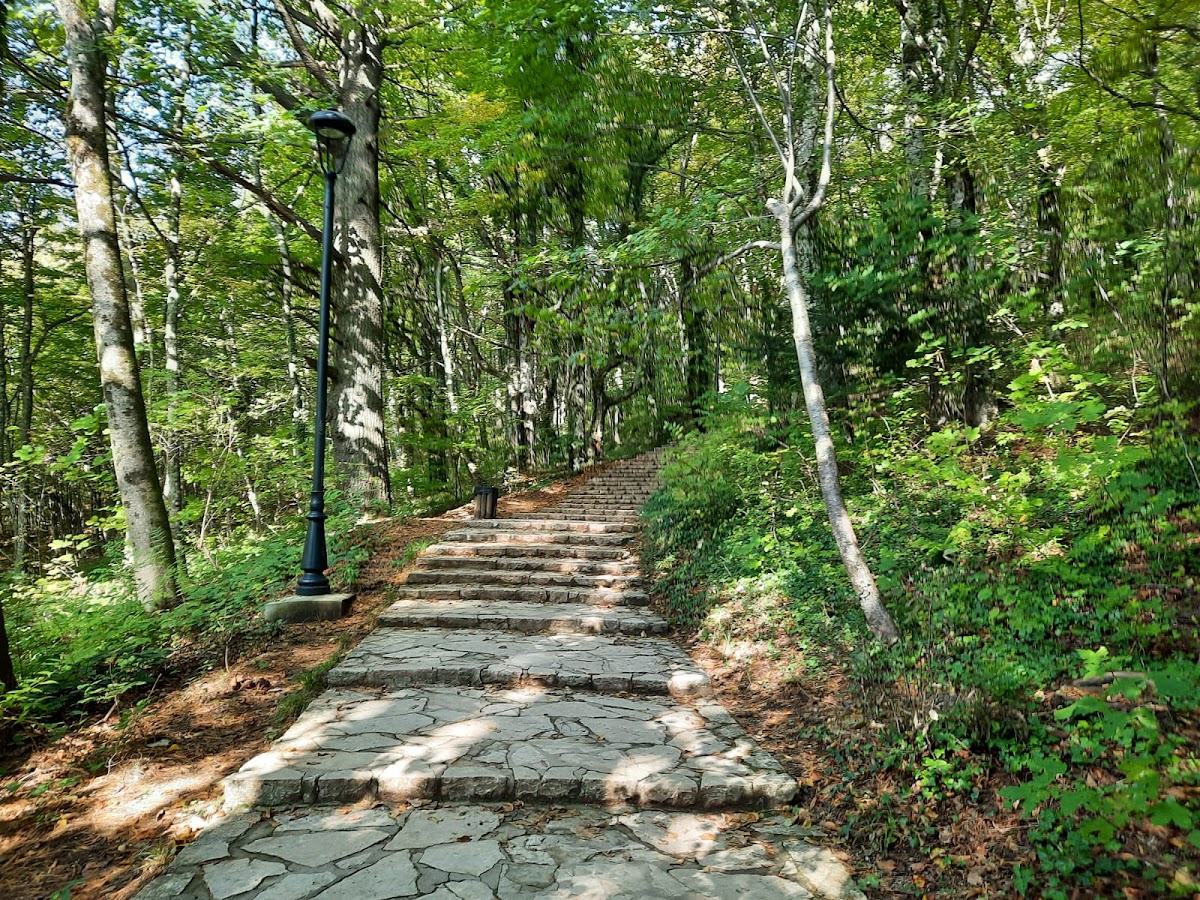
The difficulty is moderate — most reasonably fit visitors handle it fine, but it's not a casual city stroll. The trails are a mix of compacted dirt paths, wooden boardwalks over water, and some steeper sections with steps, particularly around the Upper Lakes and the trail descending to the Great Waterfall. Total elevation change across the full park is approximately 130 meters (425 feet).
The wooden boardwalks can be slippery when wet — this is the most common cause of falls in the park, so grippy footwear is essential. Sturdy walking shoes or hiking shoes are ideal; flip-flops and smooth-soled dress shoes are a bad idea. In summer, heat and sun exposure add to the challenge, so bring water, sunscreen, and a hat. In winter, ice on boardwalks can make sections treacherous. The shorter routes (A and B) are the easiest, sticking mainly to flat boardwalks. The longer routes involve more varied terrain but nothing that requires climbing experience. Children and older visitors regularly complete Routes C and H without difficulty.
Getting There & Costs
How much does it cost to visit Plitvice Lakes?
Adult ticket prices range from €10 to €40, depending on the season. Peak season (July–August) is the most expensive at €40 per adult, while mid-season (April–June, September–October) costs €23.50, and low season (November–March) drops to just €10. Children ages 7–17 receive a discount (roughly 50% off adult prices), and children under 7 enter free.
Student discounts are available with a valid student ID. Two-day tickets offer a saving over buying two single-day tickets. Your ticket includes all park transport — the electric boat across Lake Kozjak and the panoramic train — at no extra cost. Parking is charged separately: approximately €10 per day for cars and €2 for motorcycles. Budget approximately €50–70 per person for a full day visit including ticket, parking, and a meal at the park restaurant. Visiting in low season at €10 per person is exceptional value for a UNESCO World Heritage Site of this caliber.
How do I get to Plitvice Lakes from Zagreb?
Plitvice Lakes is approximately 130 km (80 miles) south of Zagreb, and the journey takes about 2 to 2.5 hours by car via the A1 motorway toward Split, exiting at Karlovac and continuing on the D1 road through the Lika region. The drive is straightforward and scenic, particularly the final stretch through forested hills.
By bus, multiple daily services run from Zagreb's main bus station to Plitvice Lakes, operated by companies like Flixbus, Čazmatrans, and Brioni. Journey time is approximately 2.5 to 3 hours, and tickets cost around €12–18 one way. Buses stop directly at Entrance 1, which is very convenient. Organized day trips from Zagreb are widely available (€40–80 per person including transport and entry) and handle all logistics, though they limit your time at the park to 4–5 hours. Rental car gives the most flexibility and allows you to arrive early, choose your entrance, and explore at your own pace. For complete transport details, see our How to Get to Plitvice Lakes guide.
Is there parking at Plitvice Lakes?
Yes, paid parking is available at both main entrances. Entrance 1 (Rastovača) and Entrance 2 (Hladovina) each have large parking lots. Parking costs approximately €10 per day for cars, €2 for motorcycles, and €20+ for larger vehicles like campervans and buses. Payment can usually be made in cash (Euros) or by card.
During peak summer months, parking lots can fill up by mid-morning — particularly at Entrance 1, which is the more popular starting point. Arriving before 9:00 AM is strongly recommended if you're driving in July or August. If Entrance 1 parking is full, head to Entrance 2 (approximately 2 km further south on the D1 road), which tends to have more availability and is actually the better starting point for avoiding crowds. There's no reservation system for parking — it's first-come, first-served. Some visitors park at nearby accommodations or private lots along the road and walk to the entrance, though this adds time.
Do I need a guide for Plitvice Lakes?
No, a guide is not necessary. Plitvice Lakes National Park is exceptionally well-organized for independent visitors. Trails are clearly marked with color-coded signage for each route, boardwalks keep you on the designated paths, and your entry ticket includes a detailed park map. The electric boat and panoramic train departures are easy to find and use without assistance.
That said, a guided tour can enhance the experience if you want to learn about the park's geology, ecology, and history in depth. Guides explain the fascinating travertine formation process, identify wildlife, and share stories about the park's protection during the Croatian War of Independence. Guided tours are available through the official park website and various third-party operators, typically costing €15–40 per person on top of the entry ticket. They're also useful if you have limited time and want to ensure you see the highlights efficiently. But for most visitors, the self-guided experience is perfectly sufficient and allows you to explore at your own pace — which is one of the great joys of Plitvice.
Quick Reference Summary
| Topic | Key Answer |
|---|---|
| Swimming | Strictly prohibited since 2006 |
| Dogs | Allowed on leash, no fee |
| Drones | Prohibited (permit needed for commercial) |
| Food | Bring your own or eat at park restaurants |
| Smoking | Restricted — not on boardwalks |
| Luggage storage | Free at all entrances |
| ATMs | Available at Entrance 1 and Hotel Jezero |
| WiFi | Only at hotels and entrance restaurants |
| Tickets | Book online in advance (especially summer) |
| Walking time | 2–8 hours depending on route |
| Wheelchair access | Limited — some flat areas accessible |
| Best route | Route C (Entrance 1) or Route H (Entrance 2) |
| Cost | €10–€40 depending on season |
| From Zagreb | 2–2.5 hours by car, 2.5–3 hours by bus |
| Parking | Available at both entrances, ~€10/day |
| Guide needed | No, trails are well-marked |
Have a question we didn't cover? Our Complete Plitvice Lakes Travel Guide goes into even more detail on planning your visit, or check our Best Time to Visit and How to Get to Plitvice Lakes guides for specific topics.